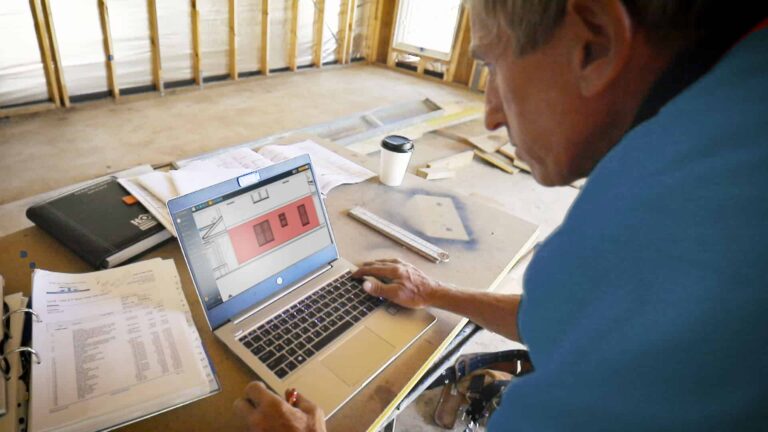





When job information is spread across three places, construction reporting breaks down. Job updates, costs, and schedules rarely live together. Site notes come through texts, costs sit in spreadsheets, and schedules are updated elsewhere, if at all.
That fragmentation has a cost. You find out a job went over budget after the final invoice, not while there was still time to adjust. Decisions stall while you’re reconciling numbers that don’t match. By the time reports are pulled together, they only show what’s already happened, not what’s about to go wrong.
Effective construction reporting relies on tracking jobs, timelines, and budgets in one place. The same data needs to stay connected throughout the project. When reporting is connected and up to date, you see problems early enough to act.
This article explains what effective construction reporting looks like on active jobs, and how the right reports help builders catch issues before they escalate.
What is Construction Reporting?
Construction reporting is how builders track and communicate what’s happening on a job while it’s underway. It includes progress made, costs incurred, resources used, and on-site safety conditions.
The purpose is to keep job information current enough to support real decisions as work unfolds.
For residential builders, this includes site diaries, cost tracking against the original estimate, schedule updates, and progress summaries shared with homeowners. When reporting is consistent and connected, you aren’t relying on memory or after-the-fact reconciliation.
You’re working from accurate, up-to-date information. That helps you to identify issues early, adjust plans in time, and keep jobs on track, rather than reacting once problems have already compounded.
Benefits of Accurate Reporting in Residential Construction
Residential construction involves dozens of interdependent decisions that unfold as work progresses.
Accurate, up-to-date reporting keeps you oriented to what is happening on the job. It allows you to organise work schedules correctly, manage costs before they lock in, and respond to risks while options still exist.
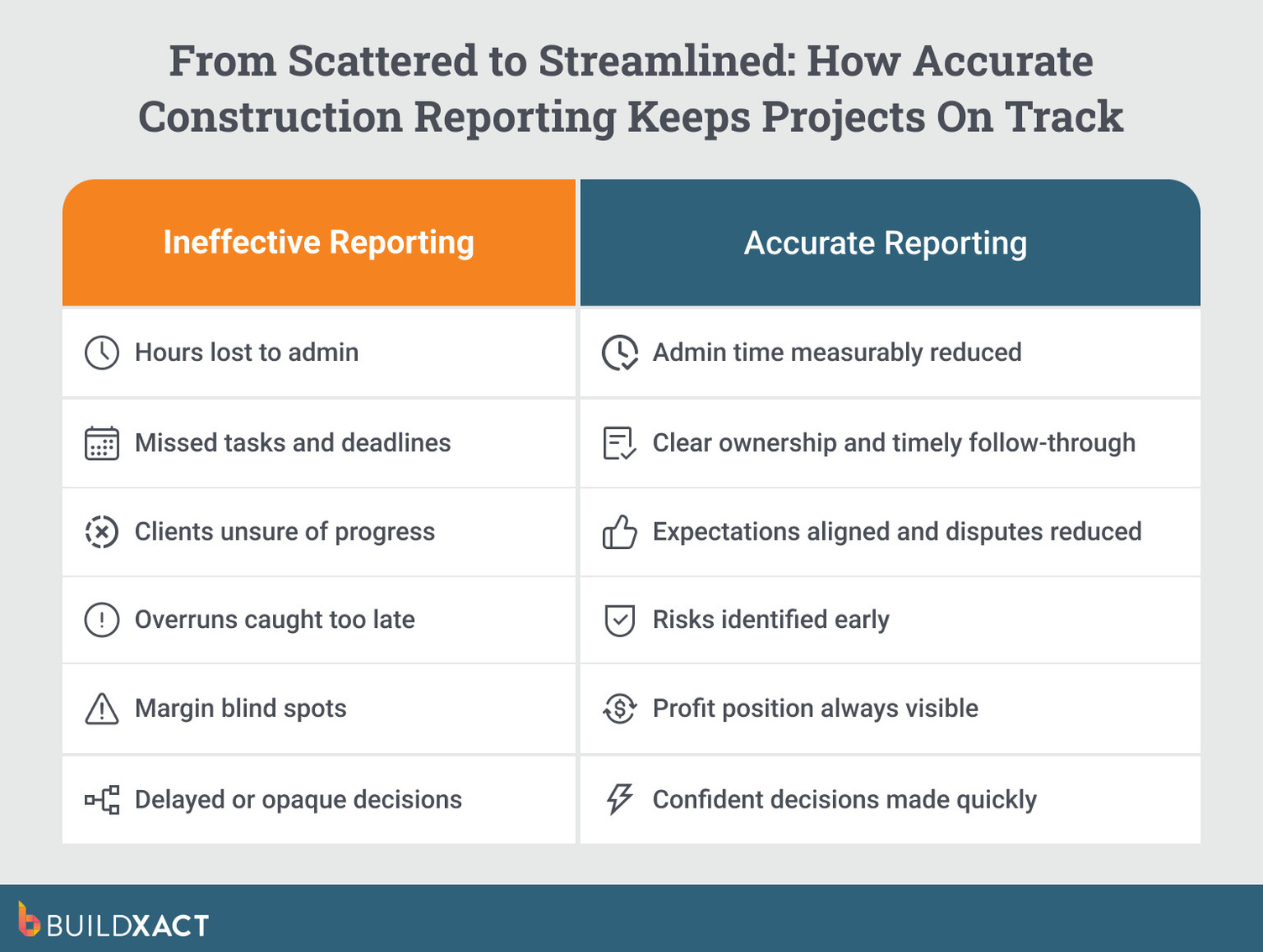
When reporting stays connected to live job data, communication becomes clearer, and financial control improves. Outcomes are more consistent across projects rather than relying on post-job explanations.
Stronger profitability insight
Live cost-vs-budget reporting shows your profit position while the job is still underway, not weeks later during reconciliation.
As materials are ordered and labour hours accumulate, you can see how actual spend tracks against the original estimate in real time.
That timing matters. Margin loss often starts with small overages, like a few extra labour hours here or a material line item running hot there.
When those losses surface mid-job, you still have options. You can adjust how job tasks are ordered, tighten remaining scope, revisit allowances, or make informed calls about upgrades and variations while those decisions still affect the outcome.
This works because costs and the budget remain connected throughout the project. Without that continuity, profitability only becomes clear once the job is finished.
Better risk management
Accurate, current reporting surfaces risk while you can still contain it. When framing materials come in above the estimate, the increase appears when the purchase order is logged, not weeks later when the supplier invoice arrives.
When labour hours start trending long during rough-in, the pattern shows up mid-phase instead of at close-out.
Seeing risk early changes how much agency and control you have to change the outcome. While scheduling remains flexible, you can adjust plans, rebalance work, or correct course before overruns cascade into schedule delays or absorbed costs.
Reporting turns risk into something you manage proactively, rather than something you discover after the damage is done.
Faster, more confident decision-making
Accurate reporting supports decision-making when it’s needed most. When a homeowner asks about a mid-build upgrade, you can review the current budget position and respond with clarity.
When a subcontractor pushes a start date, you can review the schedule, understand downstream impacts, and adjust work schedules before delays compound.
Because information lives in one place and stays current, decisions move forward rather than stall. You are not chasing numbers across spreadsheets, messages, and schedules just to answer a straightforward question.
Increased efficiency
Centralised reporting reduces administrative overhead by eliminating double entry and reconciliation work. Costs, schedules, and progress updates are pulled from the same job data rather than assembled manually from multiple sources.
That efficiency creates capacity, not just time savings. You spend less time correcting mismatched numbers and more time reviewing jobs, tightening future estimates, and addressing issues before they repeat.
Accurate reporting supports learning across projects rather than allowing the same mistakes to resurface from one job to the next.
Without centralised reporting, evenings are swallowed up by after-hours admin. Research shows that 52% of rework in construction stems from poor project data and miscommunication, and fragmented reporting environments reinforce that cycle.
Improved transparency
Shared, accurate reports keep everyone aligned. When a homeowner asks about the budget, you don’t have to translate or double-check because you’re looking at the same numbers.
When the timeline shifts, the updated schedule shows what changed, why it changed, and the impact.
Transparency works when everyone sees the same source of truth. You spend less time translating job status and more time moving work forward.
Without consistent reporting, every client question becomes a separate task. When explanations do not align with what clients track on their end, trust erodes, and conversations shift from progress to justification.
Enhanced accountability
Clear job reporting makes responsibility visible. You can see what is complete, what remains open, and what is overdue without relying on memory or side conversations.
Because updates live in a single shared system, accountability stays explicit rather than implied.
You spend less time chasing confirmations and more time managing execution.
Without centralised reporting, tasks slip through the gaps between texts, emails, and verbal updates. Deliveries go unconfirmed, permits go unchecked, and follow-ups stall, not because anyone forgot, but because visibility broke down.
Types of Construction Reports
Construction reports give you visibility into what is happening on a job while work is in motion. Each report serves a specific purpose and protects a different part of the project from drifting off course without notice.
The reports that matter most fall into four categories: cost control, schedule control, risk and compliance, and client alignment. Together, they determine whether problems surface early enough to manage or only appear once options are gone.
Construction reports for cost control
Cost control reports track how labour and material spending compare to the original estimate as work progresses. They show where money is being committed across the job’s phases, instead of summarizing costs only after work is complete.
These reports matter because spending decisions continue throughout the build. As materials are ordered and labour hours accumulate, even small variations can change the job’s margin. When cost movement stays visible during active phases, you can still adjust scope, sequencing, purchasing decisions, or allowances before those costs lock in.
Construction reports for schedule control
Schedule control reports track how work is progressing against the planned timeline. They show what has been completed, what is currently in progress, and what is scheduled next, using the same job data that drives day-to-day execution.
These reports matter because schedule decisions only have leverage before delays compound. When progress slips on a task, early visibility gives you a chance to resequence work, adjust trade start dates, or reset expectations before a single delay triggers several others.
Schedule progress reports
Schedule progress reports show the current state of the job timeline by comparing planned tasks with actual progress. You can see what was finished this week, what remains active, and which upcoming tasks depend on previously completed work.
This report matters because it exposes bottlenecks while they are still isolated. When a dependency starts to slip, you can adjust sequencing or reallocate time before crews stack up or trades arrive out of order.
Daily reports
Daily construction reports record what happened on site each day, including weather conditions, labour present, equipment used, materials delivered, work completed, safety notes, and visitors.
These reports matter because they anchor progress and delays to real site conditions. When you are running multiple jobs, daily reports keep details from blurring together and provide a factual record when questions arise about timing, productivity, or disruptions.
Work-in-progress reports (WIP)
Work-in-progress reports show the completion of each phase or task, typically expressed as a percentage of the work completed. They translate on-site activity into measurable progress across the job.
These reports matter because completion assumptions often drift ahead of reality. When WIP shows that the rough-in is 80 percent complete while the next phase has not started, it forces schedules to reflect actual progress rather than optimism.
Construction reports for risk and compliance
Risk and compliance reports document incidents, hazards, and conditions that affect safety, liability, and regulatory exposure on a job site. They capture what occurred, when it occurred, and how it was addressed.
These reports matter because unmanaged risk tends to repeat itself. When issues are documented early, patterns become visible, and corrective action can be taken before minor incidents escalate into serious claims or disputes.
Incident reports
Incident reports document accidents, injuries, near misses, or property damage that occur on site. They record the circumstances, the parties involved, and the response taken.
These reports matter even on small residential jobs. A near miss logged today signals a risk that can be addressed before it turns into a claim involving subcontractors, insurers, or homeowners.
Material usage and delivery reports
Material usage and delivery reports track which materials were ordered, which have arrived on site, which have been installed, and which are pending.
These reports matter because material gaps directly affect both cost and schedule. When you can see shortages forming early, you can reorder in time, resequence work, or prevent duplicate purchases that inflate spend.
Construction reports for client alignment
Client alignment reports track communication, decisions, and approvals shared with homeowners throughout the job. They provide a clear record of what was discussed, what was agreed to, and what’s still pending.
These reports matter because residential projects depend on frequent client input. When decisions are documented as they happen, expectations stay aligned, and changes remain manageable.
Client communication reports
Client communication reports summarise updates sent, selections approved, changes requested, and decisions awaiting confirmation.
These reports matter when homeowners ask what was approved, when a delay was communicated, or why the scope changed. A clear record keeps those conversations grounded in documented history rather than interpretation.
Who’s Responsible for Construction Reporting?
In larger construction companies, reporting responsibilities are often handled by dedicated departments. In a small- to mid-sized residential operation, those responsibilities overlap. The owner may also estimate, the site lead may handle safety, and the bookkeeper may track costs and communicate with clients.
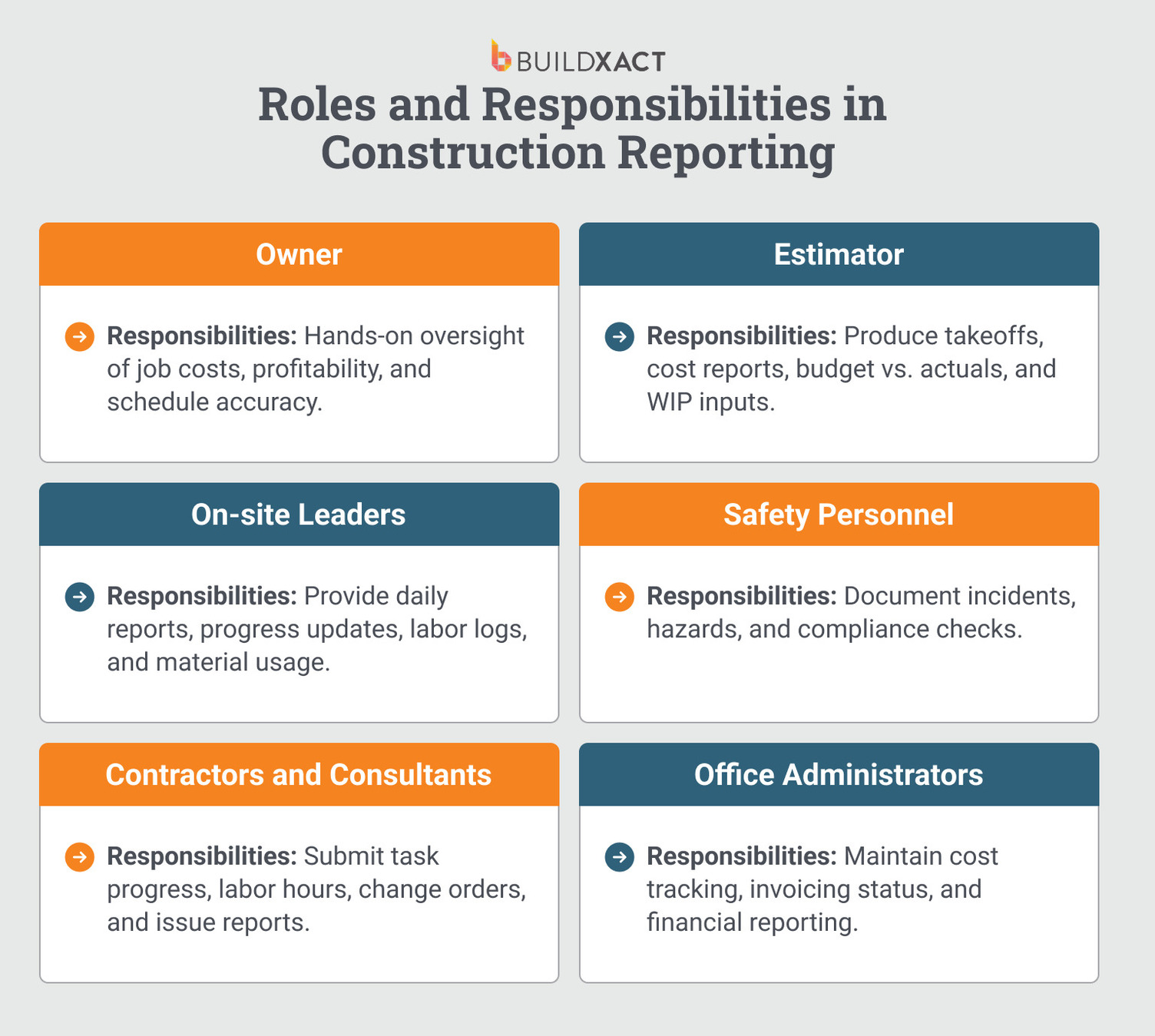
What matters is knowing who owns each report and who reviews it while decisions still have leverage. Clear ownership ensures information moves from the site to the office without gaps, so issues surface early rather than being discovered after the fact.
Owners
Owners oversee overall job performance, including margin, cash flow, and schedule health across projects. In most SMB operations, the owner acts as the final checkpoint when something starts to drift.
That responsibility includes reviewing cost-versus-budget reports, monitoring work-in-progress status, and scanning active jobs for early warning signs. When margins slip or schedules tighten, the owner needs visibility before problems compound, not after reconciliation confirms what has already happened.
Estimators/builders who estimate
Estimators produce takeoffs, budgets, and baseline assumptions against which reporting later measures are compared. When the same person estimates and builds, they carry critical context about where numbers were tight and where assumptions carried risk.
Tracking actual costs and progress against the original estimate shows whether those assumptions hold under real job conditions. That feedback loop improves future estimates and prevents the same pricing blind spots from repeating across jobs.
On-site leaders (site supervisors, project managers, foremen)
On-site leaders supply daily reports, progress updates, labour logs, and material usage data. They see what actually happens on the job each day, including what was completed, what stalled, how many hours were worked, and how much material was used.
If this information does not consistently enter the reporting system, the office loses visibility into real job conditions. Decisions then rely on partial updates rather than the current site reality, increasing the risk of missed issues and delayed responses.
Safety personnel
Safety reporting covers incident logs, hazard observations, and compliance checks. On smaller residential jobs, this responsibility often falls to the site lead or owner rather than a dedicated safety role.
The specific title matters less than the outcome. Near misses, hazards, and incidents need to be documented when they occur. That record allows patterns to surface early and protects you later if a situation escalates into a claim or dispute.
Contractors and consultants
Contractors and consultants submit task progress, labour hours, variation details, and issue reports for their respective scopes of work. Their inputs feed directly into labor-tracking, progress measurement, and cost-control reports.
When subcontractor reporting stays consistent, job data reflects what is actually happening on site. When it does not, labour costs and progress estimates become guesswork, increasing the risk of overruns and scheduling surprises.
Office administrators/bookkeepers
Office administrators and bookkeepers manage cost tracking, invoicing status, and financial reporting. They reconcile supplier invoices, monitor billed amounts, and keep financial records aligned with job activity.
Their reporting shows whether cash flow and job spend match expectations set during estimating. When those numbers stay current and accurate, financial issues surface early enough to be addressed. When they lag, discrepancies only appear once they are harder to correct.
Best Practices for Effective Construction Reporting
Effective construction reporting is about creating a system that produces clear, comparable information while work is still underway. Best practices exist to reduce interpretation, eliminate rework, and ensure that reports support real decisions rather than become after-the-fact documentation.
Use standardised templates across every job
Standardised templates define how you capture and present information across reports such as site diaries, cost tracking, and work-in-progress updates. Each report follows the same structure, uses the same fields, and answers the same questions regardless of the job.
This consistency matters because it removes interpretation from the process. When every job uses the same formats, you can scan reports quickly without relearning how to read them.
When you bring in help, they step into an existing system rather than creating their own.
Aggregate project data in one system
Aggregating project data means pulling schedules, costs, labor, materials, and updates into a single source of truth. You generate reports from the same numbers rather than assembling them from disconnected tools.
This practice matters because reporting only works when information stays aligned. When schedules live in one place, costs in another, and updates sit in messages or notebooks, reports reflect fragments rather than reality.
But centralization isn’t just about tidiness. When data lives together, you see relationships you would otherwise miss, how a schedule slip affects costs, and how a budget change impacts resource timing. Decisions improve when you look at the whole picture rather than piecing it together.
As Kings Research notes, centralizing scheduling, budgeting, resources, and communication in a single system provides builders with clearer project visibility and supports faster, more informed decisions.
Verify accuracy before you share reports
Verification ensures that quantities, costs, and progress figures are correct before reports are sent to clients or used to guide decisions. This includes confirming invoices, checking logged hours, and validating progress claims against actual site conditions.
Accuracy matters because errors compound. A wrong number in a cost report or client update raises follow-up questions, requires corrections, and erodes confidence. Fixing mistakes after reports circulate takes far more time than catching them before distribution.
Protect sensitive job and client data
Data protection controls who can view financials, plans, approvals, and client information.
Role-based access ensures that people see only what they need to perform their responsibilities.
This practice matters because not every stakeholder needs the same level of visibility. For example, subcontractors do not need margin data, and clients do not need internal cost breakdowns.
Clear access rules protect sensitive information while keeping collaboration efficient.
Submit reports on a consistent schedule
A reporting cadence defines when you capture and review updates, whether daily, weekly, or by phase. Consistency turns reporting into a habit instead of a catch-up task.
This matters because timing affects usefulness. When reports arrive predictably, you identify risks before you’re unable to manage them. Clients know when to expect updates, and teams know when information is due.
Digitise all reporting workflows
Digitised reporting replaces manual entry with automated data capture, real-time updates, and system-generated reports.
For small and mid-sized builders, digitization is not about advanced features. It is about removing the manual work that makes reporting feel like a second job. When costs log automatically from purchase orders, daily updates sync from the field, and schedule changes reflect instantly, reporting occurs as work progresses rather than after hours.
This is why adoption of construction management software continues to grow across the industry.
According to Global Market Insights, “Construction management software standardises the construction process by enabling the efficient and streamlined management of labor, site events, data capture, and information and material costs. Contractors can increase the profitability and efficiency of their projects by implementing this software.”
For residential builders, this means reporting stops being a task you do after the work is done. Instead, it becomes something the system handles while you build.
How Buildxact Simplifies Construction Reporting
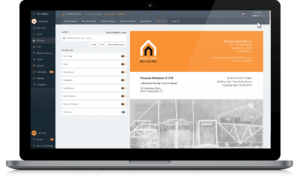
Buildxact is ideal for small to mid-sized residential builders, built to make reporting a byproduct of everyday work rather than a separate task done after hours.
Rather than adding another layer of reporting on top of existing processes, you get estimating, job execution, and cost tracking connected in one place, so reports reflect the same data you already rely on to run the job.
Centralises project data
With Buildxact, your costs, schedules, takeoffs, site updates, and client information live in one system.
Reports pull from the same source that drives estimating, purchasing, and job execution, so numbers stay aligned across the project.
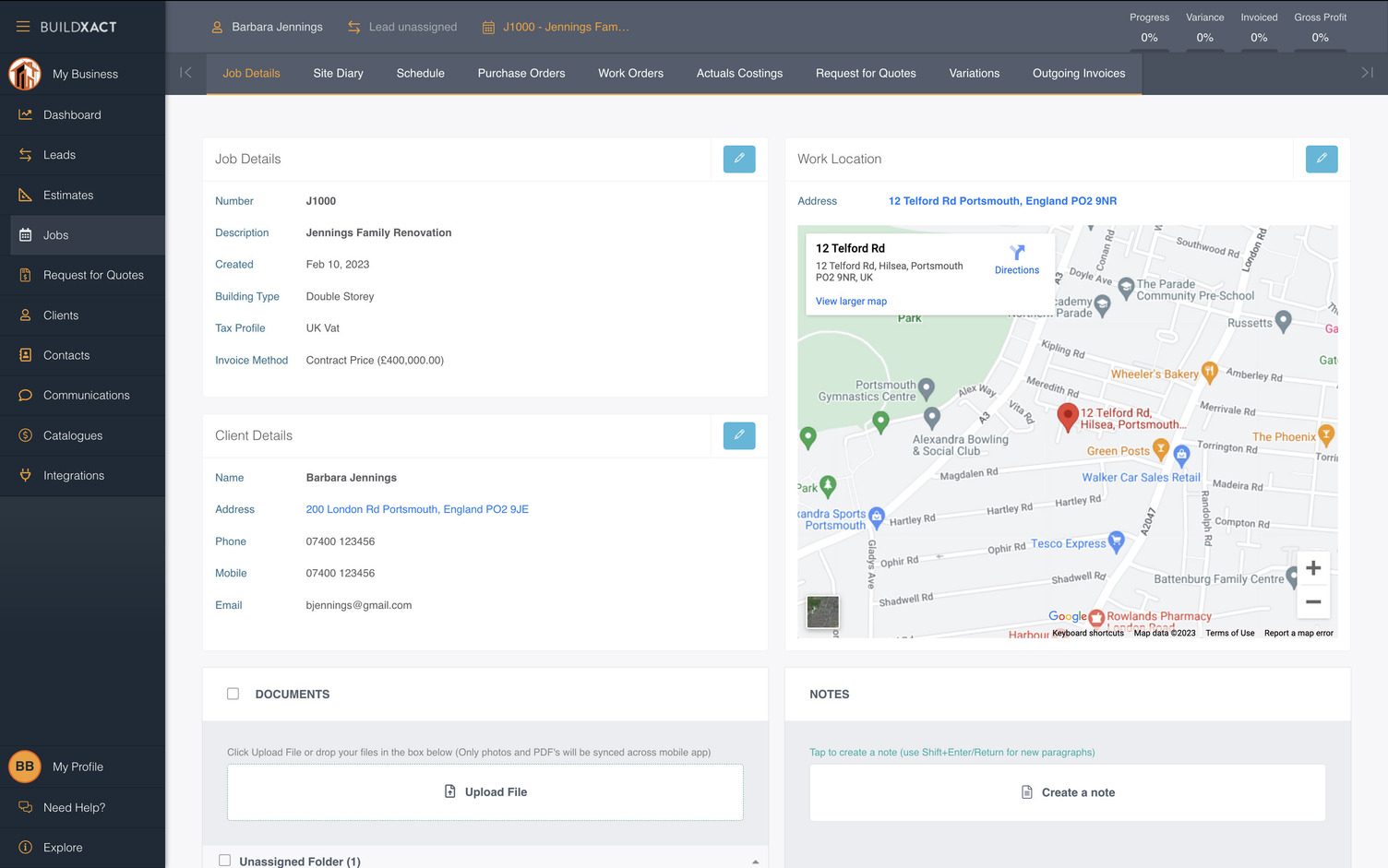
This matters because reporting only works when information stays consistent. When cost tracking, schedules, and updates live in the same place, you review reports with confidence instead of reconciling spreadsheets against emails or memory.
Without centralised data, reporting becomes a reconstruction exercise. Time goes into matching numbers instead of acting on what they show.
Automates data collection
As work progresses, Buildxact automatically captures your quantities, costs, and changes.
Purchase orders update cost reports when they are logged. Task completion updates progress automatically through site activity.
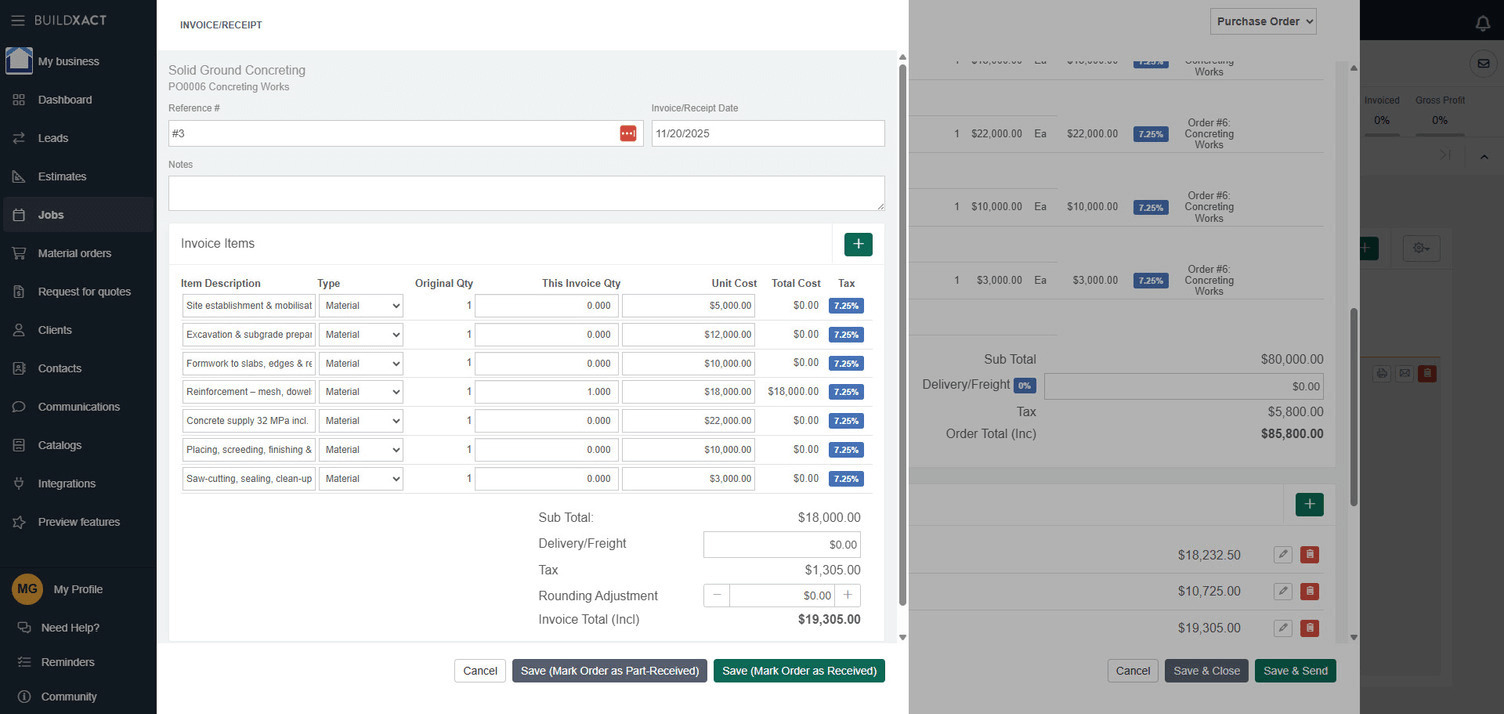
Automation matters because manual reporting breaks down under the workload. When data enters the system once and flows through reports automatically, gaps close, and updates stay current without extra effort.
Standardises reporting formats
Buildxact applies consistent templates across site diaries, budget reports, work-in-progress updates, and variations. Each job uses the same structure, so reports remain comparable across projects.
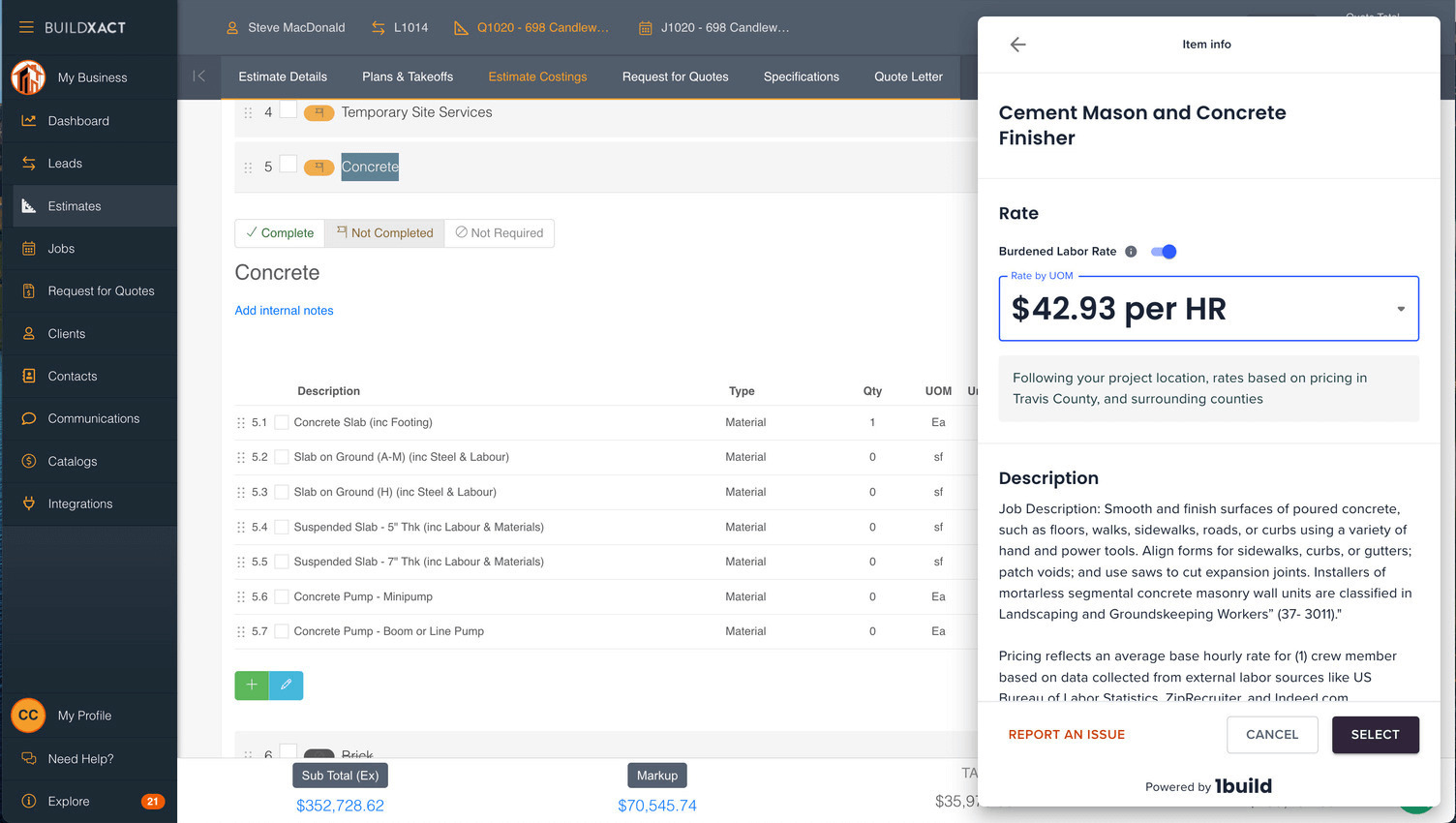
Standardization matters because it removes interpretation. You do not need to relearn how to read reports from job to job, and team members know exactly how to enter and review information.
Provides real-time visibility
Reports in Buildxact update as plans, costs, or schedules change. Budget-versus-actual views reflect current spend, not last week’s snapshot.
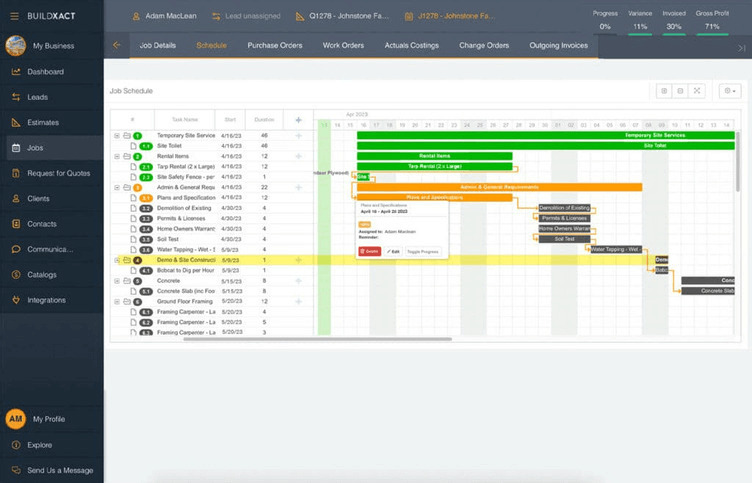
Real-time visibility matters because decisions only have leverage while the job is active. When reports reflect the current state of work, you adjust scope, sequencing, or expectations before small issues escalate.
Reduces administrative effort
Buildxact reduces the need to re-enter or reconcile information across tools. Reports are generated from existing job data, eliminating the need for separate preparation.
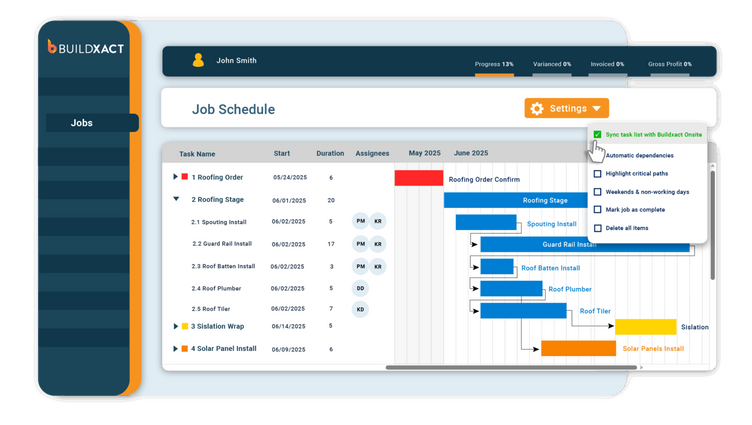
This matters because time spent assembling reports comes directly out of time spent managing work. When reporting becomes lighter, attention shifts from cleanup to execution.
Success with Buildxact
XPRES Kitchen & Bath previously relied on separate tools for takeoffs, scheduling, cost tracking, and client communication. Reporting required pulling information from multiple systems and resolving inconsistencies before updates could go out.
After moving to Buildxact, reporting became part of the workflow rather than a separate process. Costs are tracked against estimates automatically. Schedules and progress updates stayed connected to the same job data. Client updates reflected the same numbers the team worked from internally.
The result was less time spent assembling reports, greater confidence in the numbers, and a smoother path from takeoff through final invoice.
Start With Buildxact Today
Construction reporting works when job information stays connected while work is underway. Centralised data, standardised formats, and real-time visibility turn reporting into an operating system for the job, not an after-hours cleanup task. When reports pull from the same numbers used to estimate, schedule, and run work on site, issues surface early and decisions stay grounded in reality.
Buildxact supports that approach for small to mid-sized residential builders by keeping estimating, cost tracking, scheduling, and site updates in one place. Reporting reflects what is actually happening on the job in real time, so you spend less time reconciling information and more time staying in control of margin, timelines, and client expectations.
If you want construction reporting that works the way residential jobs actually run, you can start with Buildxact. Start with Buildxact for free or schedule a demo to see how connected reporting fits into your workflow before committing.