
The costs involved in a construction job are constantly changing. One week, your numbers are spot-on, while the next, dealer pricing and subcontractor rates have jumped up. And that means the margin you thought you had is gone.
For residential builders, knowing how to price construction jobs accurately is one of the most important parts of running a profitable business. It’s also one of the most difficult – especially when pricing details are scattered across spreadsheets, outdated cost lists, and disconnected workflows.
Strong construction pricing starts with having a clear process, backed by accurate, up-to-date cost information. When your estimating, takeoffs, pricing, and scheduling all work together, it becomes easier to build competitive bids without losing control of your budget.
In this guide, we’ll show you a step-by-step framework for pricing construction jobs correctly. Plus, we’ll share best practice tips for improving your pricing strategy, and show you how the right construction management software can help you protect your margins and win more work.
A Strong Construction Job Pricing Strategy Makes Your Business More Predictable
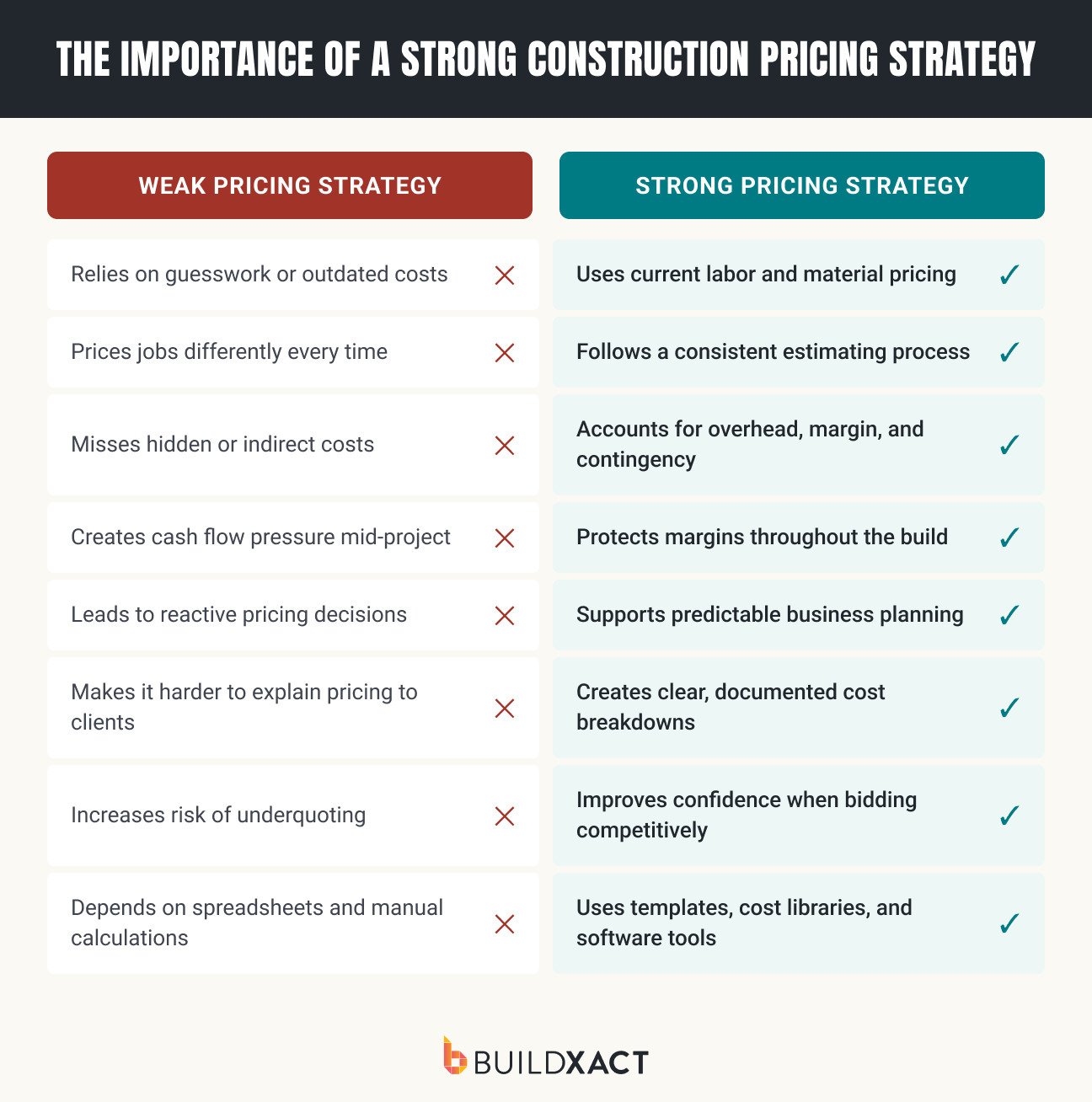
If you overestimate your pricing, then homeowners will see you as uncompetitive compared to bids from your competitors. If you underestimate, then you risk having little to no profit margin. Running out of money leaves you with the difficult decision to renegotiate with your client. And, if you haven’t documented your estimate in detail, you likely have little to stand on when negotiating.
This is why you need a consistent pricing strategy that spells out all your costs in detail. With this in hand, you can accurately bid for home construction contracts, confident that you have a healthy profit margin.
A structured, repeatable approach also makes your business more predictable. Instead of relying on guesswork, outdated pricing, or manual calculations, you can make decisions based on current costs and a repeatable estimating process. This helps you create clearer cost breakdowns for clients and reduce the risk of underquoting.
Over time, a consistent pricing strategy will lead to healthier cash flow and stronger bids that are more likely to convert.
How to Price a Construction Job Accurately: Step-by-Step Guide
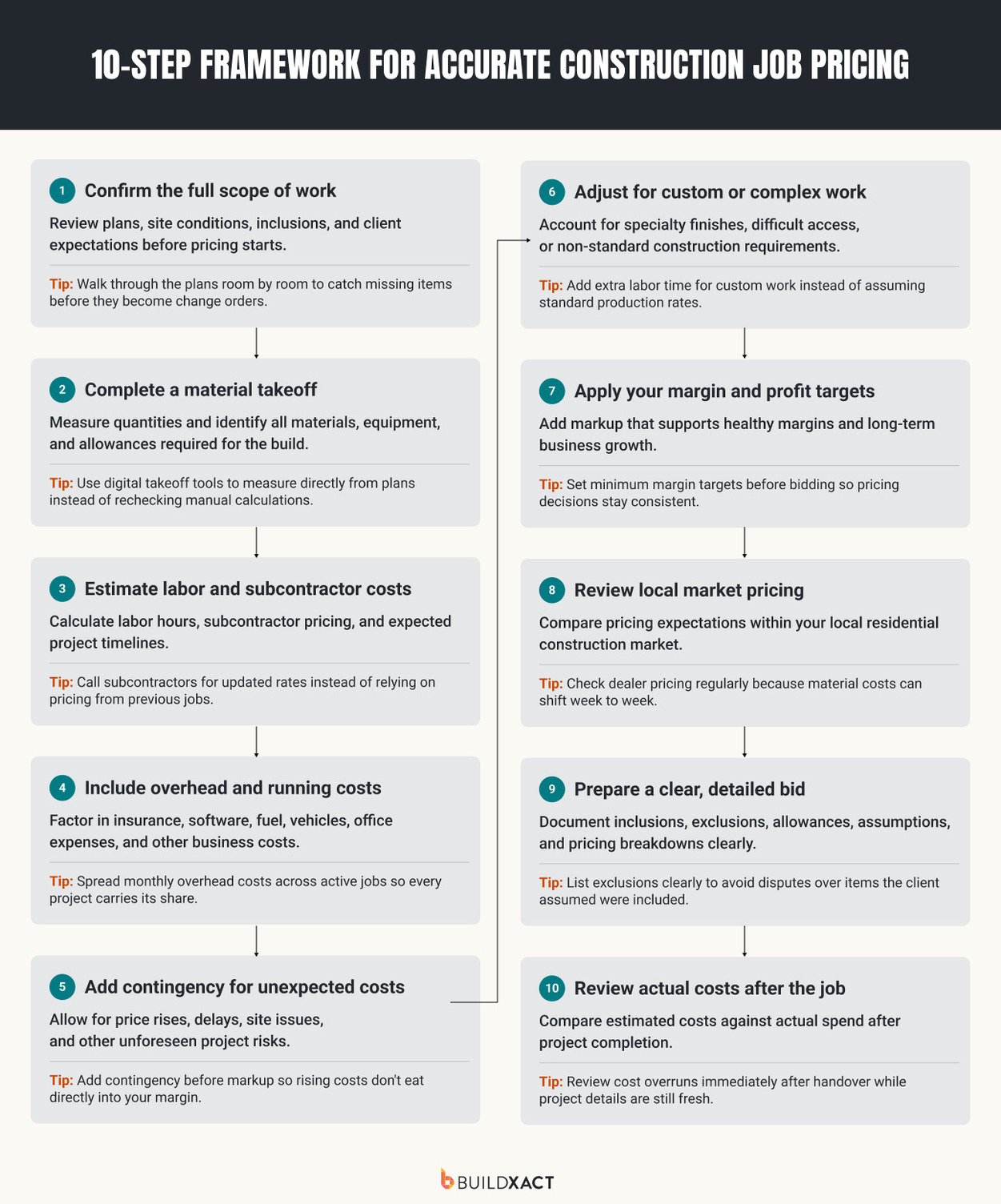
While you might think construction pricing is just about winning the job at the lowest price, there’s a lot more to it than this. A strong bid involves understanding all costs, implementing safeguards to protect your margins, and building predictable revenue.
By following a clear process for your construction pricing, you’ll be able to build accurate estimates faster and get more bids out the door.
1. Confirm the full scope of work
Start by reviewing the plans, site details, specifications, and client requirements. Before you price anything, make sure you understand exactly what’s included and excluded, and where potential risks lie.
A clear scope will help you avoid missed costs, unclear allowances, and pricing disputes during the build.
2. Complete a material takeoff
Next, complete a detailed material takeoff. Measure quantities from the plans and list every material, fixture, finish, equipment item, and allowance needed for the build.
Keeping these records in one place makes your material estimates more consistent and gives you a stronger starting point for future jobs.
3. Estimate labor and subcontractor costs
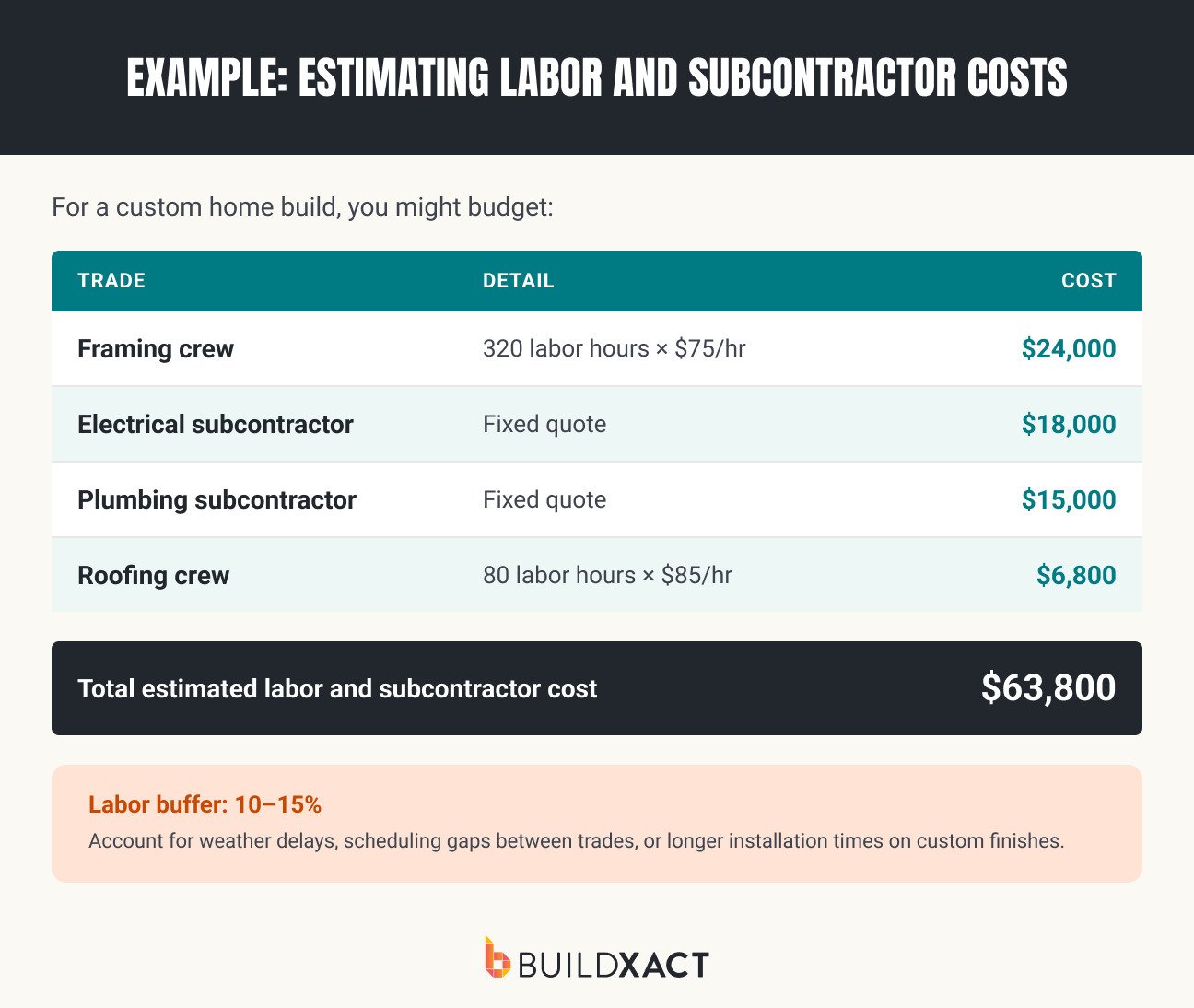
Work out how many people you’ll need for the job, as well as how long each stage should take and which subcontractors will be involved. Be sure to use current rates, not old pricing from past jobs.
Residential projects can run long, so include enough buffer for trade delays, inspection hold-ups, or extra time on custom work.
4. Include overhead and running costs
Your total price needs to cover more than just direct job costs. Include business expenses such as insurance, software, vehicles, fuel, office costs, marketing, and employee burden.
If overhead and “soft” costs aren’t included in your job pricing, a busy schedule can still leave you with weak margins.
5. Add contingency for unexpected costs
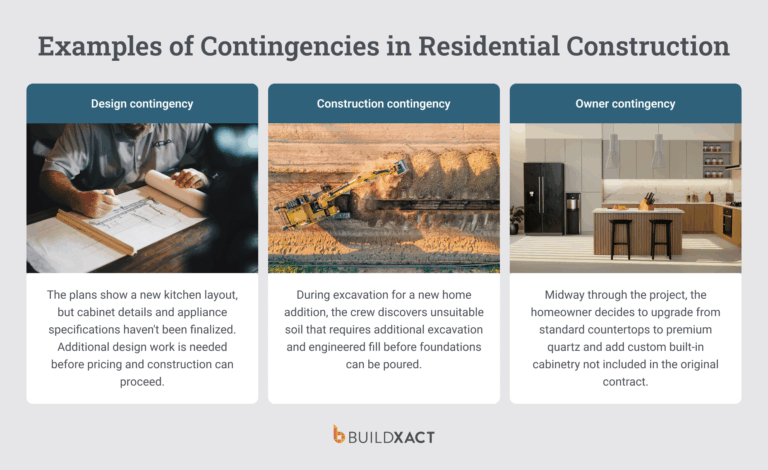
Build a contingency into the budget before finalizing your price. This helps cover unexpected issues such as cost increases, weather delays, site issues, and late deliveries that can arise during residential builds.
Contingency isn’t about padding. It’s protection against the real risks of construction work.
6. Adjust for custom or complex work
Custom homes and non-standard projects will need extra attention. Specialty finishes, difficult access, unusual materials, and complex design details can all increase labor time and coordination.
If a project needs a specific product, such as solar panels or custom joinery, allow for extra sourcing and delivery time.
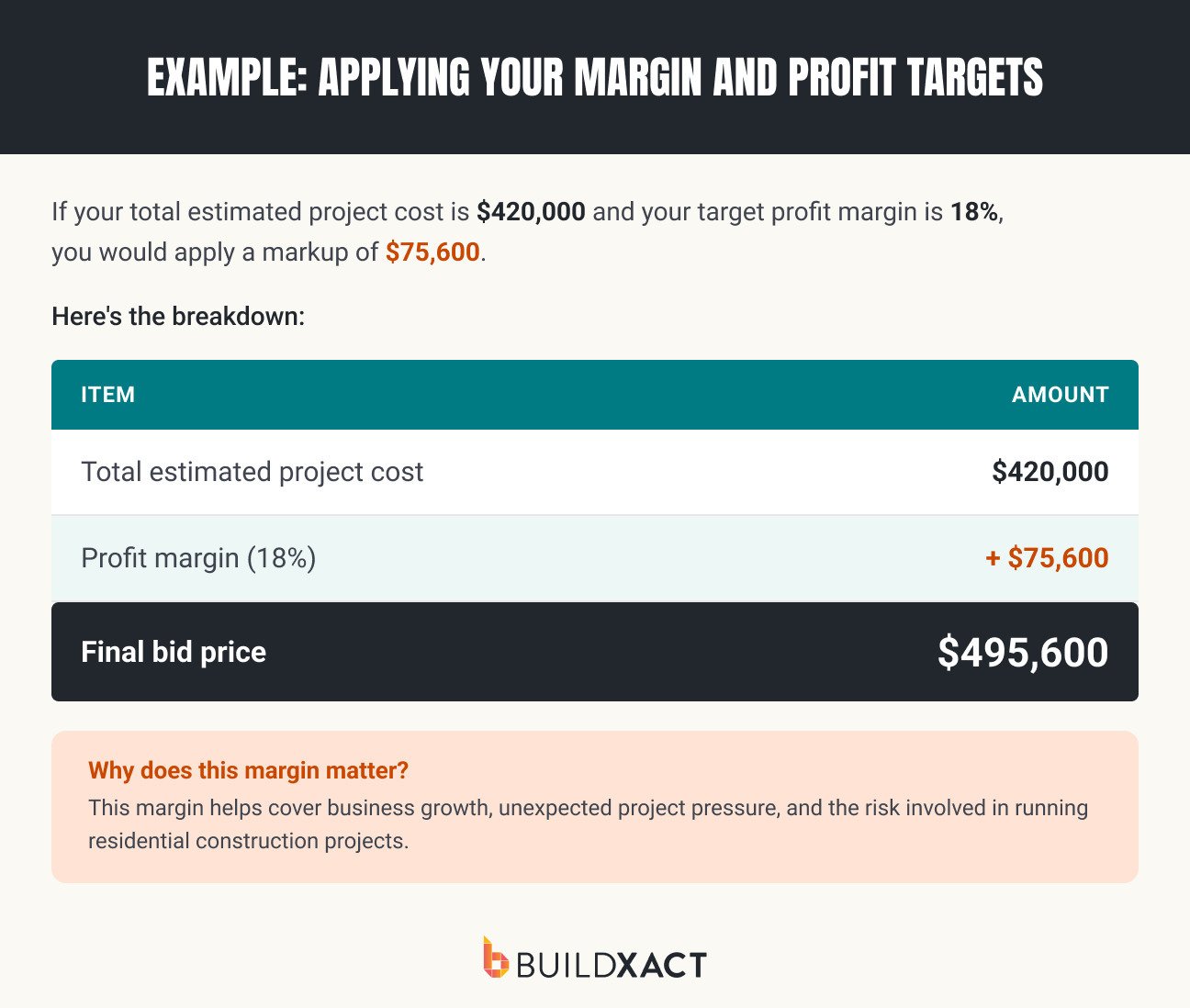
7. Apply your margin and profit targets
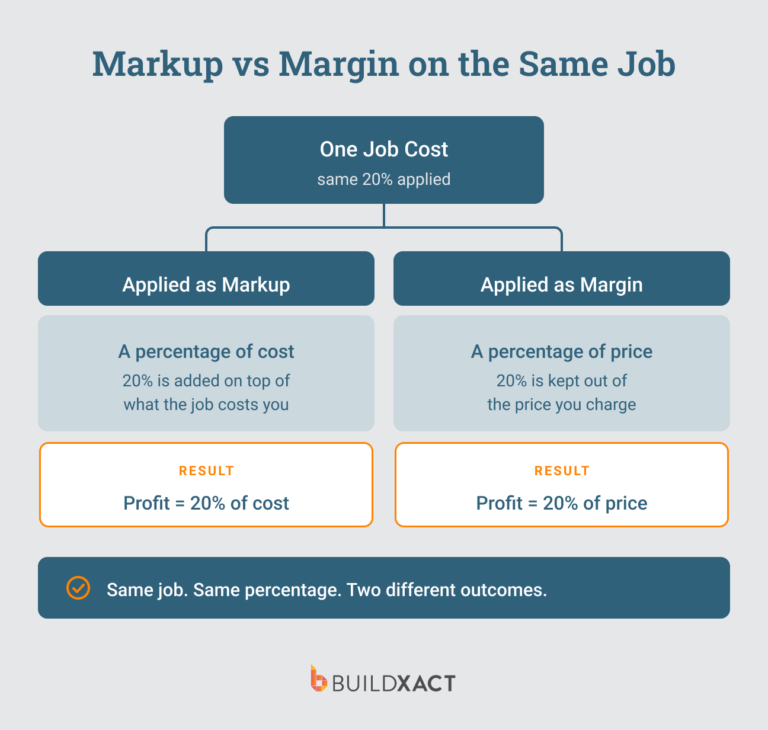
Once your costs are clear, apply a markup to reach your target profit margin. This margin needs to support the job, your business, and long-term growth.
Profit should be based on what the project needs to remain worthwhile, rather than just a figure that feels competitive.
8. Review local market pricing
Before finalizing the bid, check how your price compares with local market expectations. However, don’t just chase the cheapest bid; if another builder is undercutting the market, matching them can put your own business at risk.
A competitive bid should still cover your costs, protect your margin, and reflect the value you deliver.
9. Prepare a clear, detailed bid
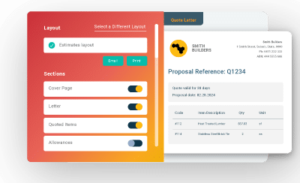
Now it’s time to turn your pricing into a clear professional bid that’s easy for homeowners to understand. Include the scope of work, cost breakdowns, allowances, inclusions, exclusions, and key assumptions.
The more detail you provide upfront, the easier it is to justify your price and alleviate concerns if questions come up later.
10. Review actual costs after the job
After the job is complete, compare your estimated costs against what you actually spent. Look for gaps in labor, materials, subcontractor costs, allowances, and overhead.
This post-job review helps you improve future pricing and keep cost records up to date, as well as avoid repeating the same margin mistakes.
Even with a solid process, you’ll still need to be aware of the potential challenges that construction pricing involves. Next, we’ll explore some of the best practices that can help you avoid pricing pitfalls and build better bids.
Best Practices for Pricing a Construction Job
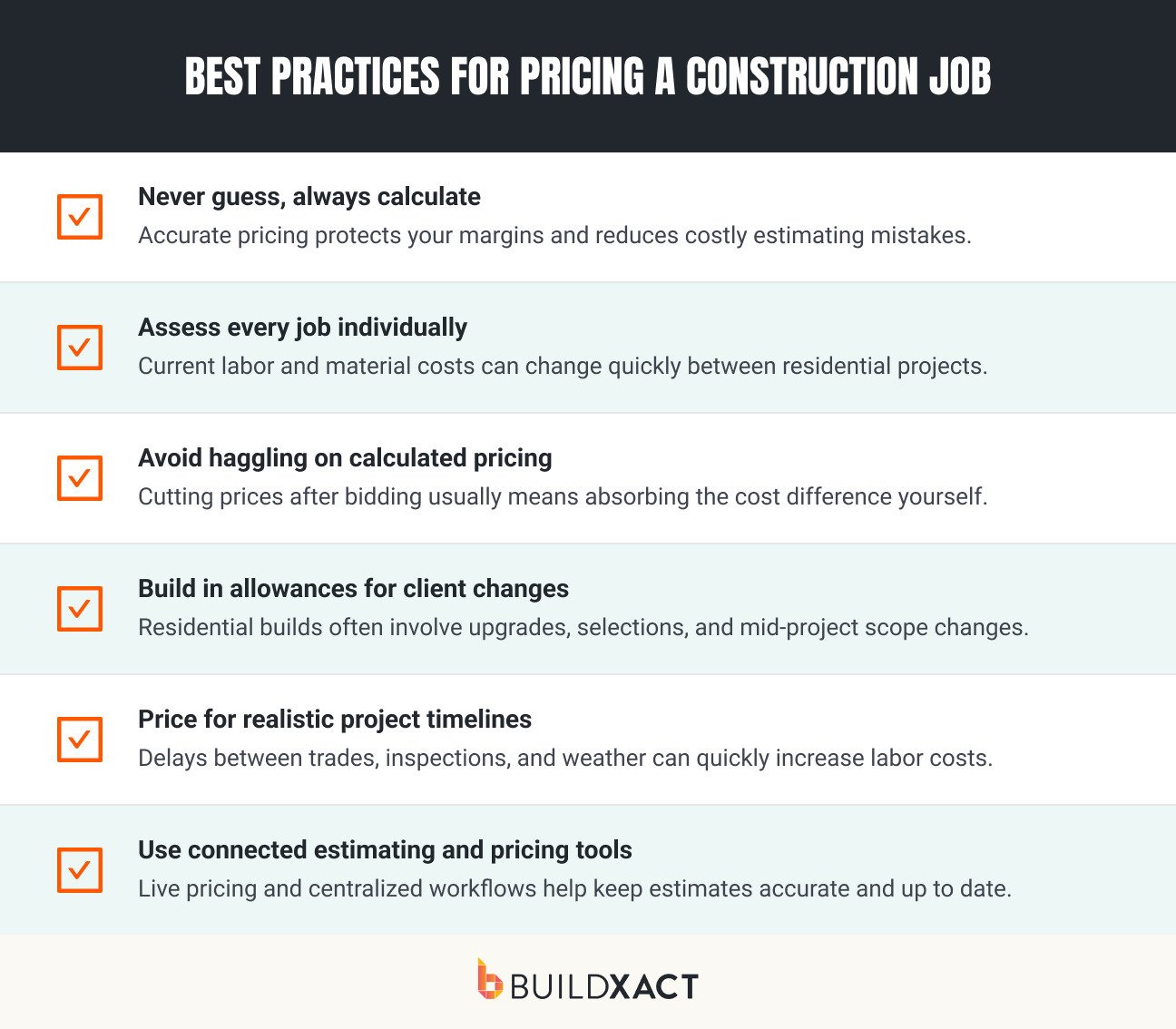
The ideal bid doesn’t overcharge for your services, but generates the profit you need to run a sustainable business. Let’s explore some of the best practices that can help you develop a reasonable bid that’s more likely to win the job:
Never guess, always calculate
There’s no cost that can’t be calculated in full before any bid, so note everything down to the cent and avoid using approximations and generalizations. Using technology to make the calculations will help you avoid human error.
Assess every project on a job-to-job basis
The costs of materials and subcontractors can fluctuate rapidly. Avoid the temptation to standardize your pricing strategy too much, even if it seems like a time-saver. Pricing templates are great for getting estimated costs started, but final estimates must reflect local and current market conditions. And for that, you’ll need updated pricing for materials and labor.
Avoid haggling
What happens if a client responds by asking you to lower the price of your bid? While it can be tempting to negotiate, cutting the price puts your profitability at risk. Remember, even if you bring your price down, the customer will expect the same service (and you can’t reduce the price of materials and labor). This usually means you’ll have to absorb the cost difference.
Build in allowances for client changes
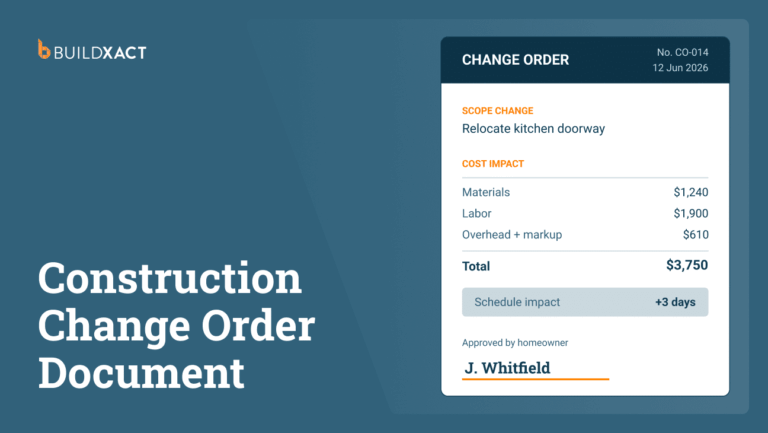
Few residential projects run exactly as originally planned. Homeowners often request upgrades, product substitutions, layout changes, or additional work once construction is underway. Building allowances into your pricing strategy helps protect your margins when these changes occur. Combined with a clear change order process, it also makes it easier to communicate cost impacts and keep the project financially on track.
Price for realistic project timelines
Construction schedules rarely move perfectly from one trade to the next. Weather events, inspection delays, material lead times, and subcontractor availability can all affect the timeline. When pricing a job, account for the possibility of delays rather than assuming everything will run exactly to schedule. This helps prevent labor costs and overhead expenses from eroding your profit margin.
Use connected estimating and pricing tools
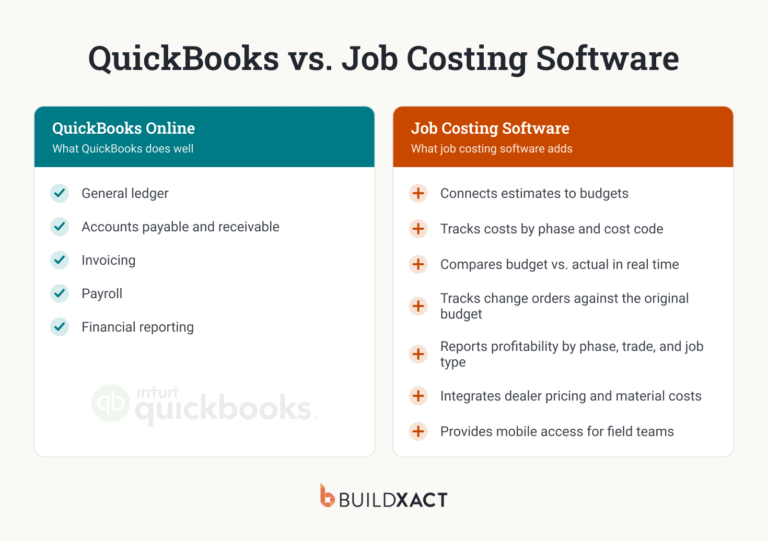
Manual estimating processes make it difficult to maintain accurate pricing when material costs change frequently. Connected estimating software helps streamline pricing by bringing takeoffs, cost databases, dealer pricing, and job costing into one place.
With less admin, paperwork, or double-handling, the right construction pricing software can help you get accurate bids in front of your prospects faster than your competitors.
Buildxact Strengthens Construction Job Pricing to Protect Your Margins
Even the best pricing strategy won’t hold up if you’re working from outdated price lists, manually measuring plans, or jumping between multiple spreadsheets.
Buildxact solves these problems with features designed around the most efficient way to price jobs. From real-time dealer connection to an AI estimating assistant that lets you build accurate estimates in minutes, here’s how Buildxact can help you bid to win:
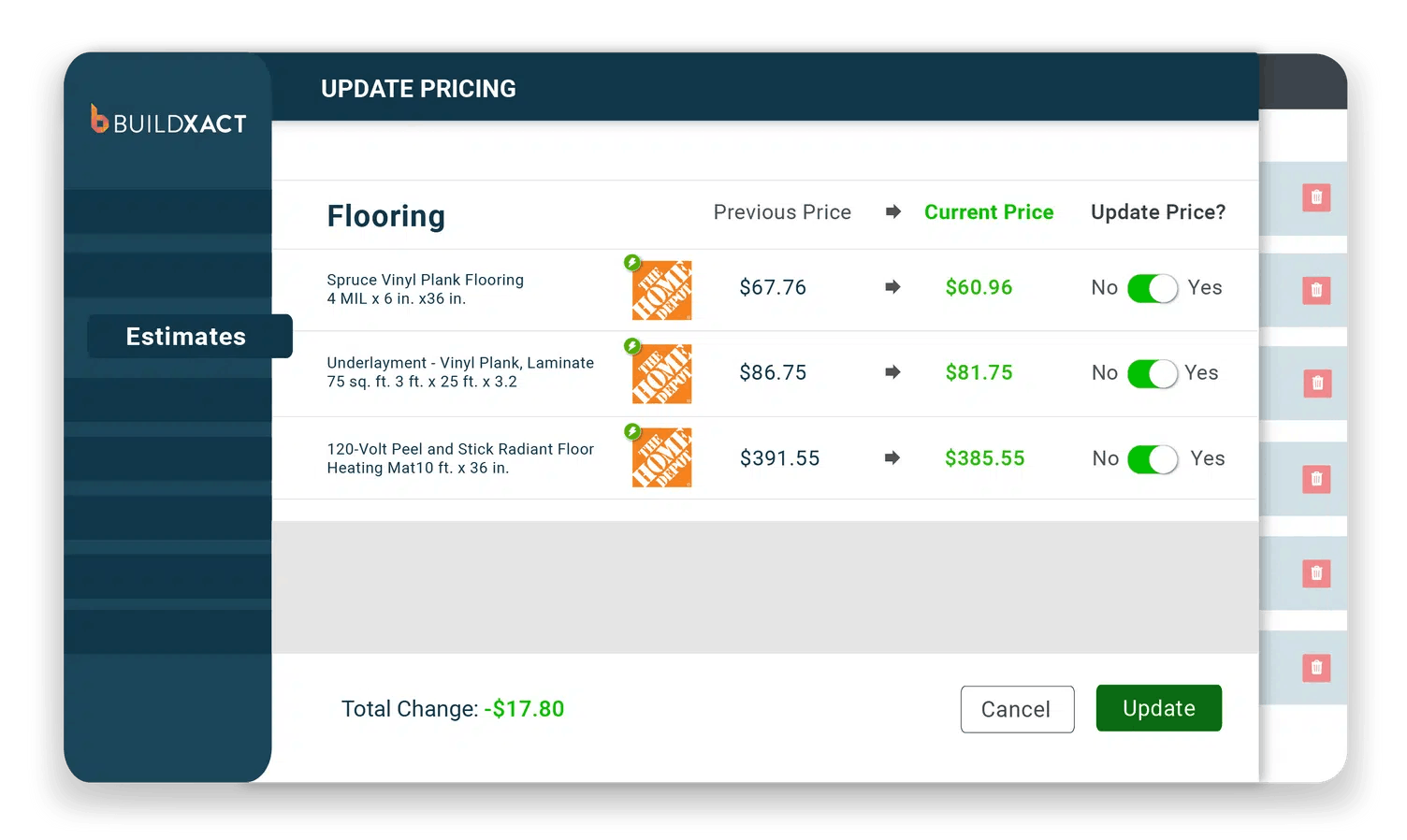
Live dealer pricing
Material prices can change between the time you create an estimate and the time work begins. Buildxact’s live dealer pricing helps keep your estimates aligned with current material costs by pulling pricing directly from participating dealers. This reduces manual updates, improves estimating accuracy, and helps protect your margins from unexpected cost increases.
AI-powered estimating
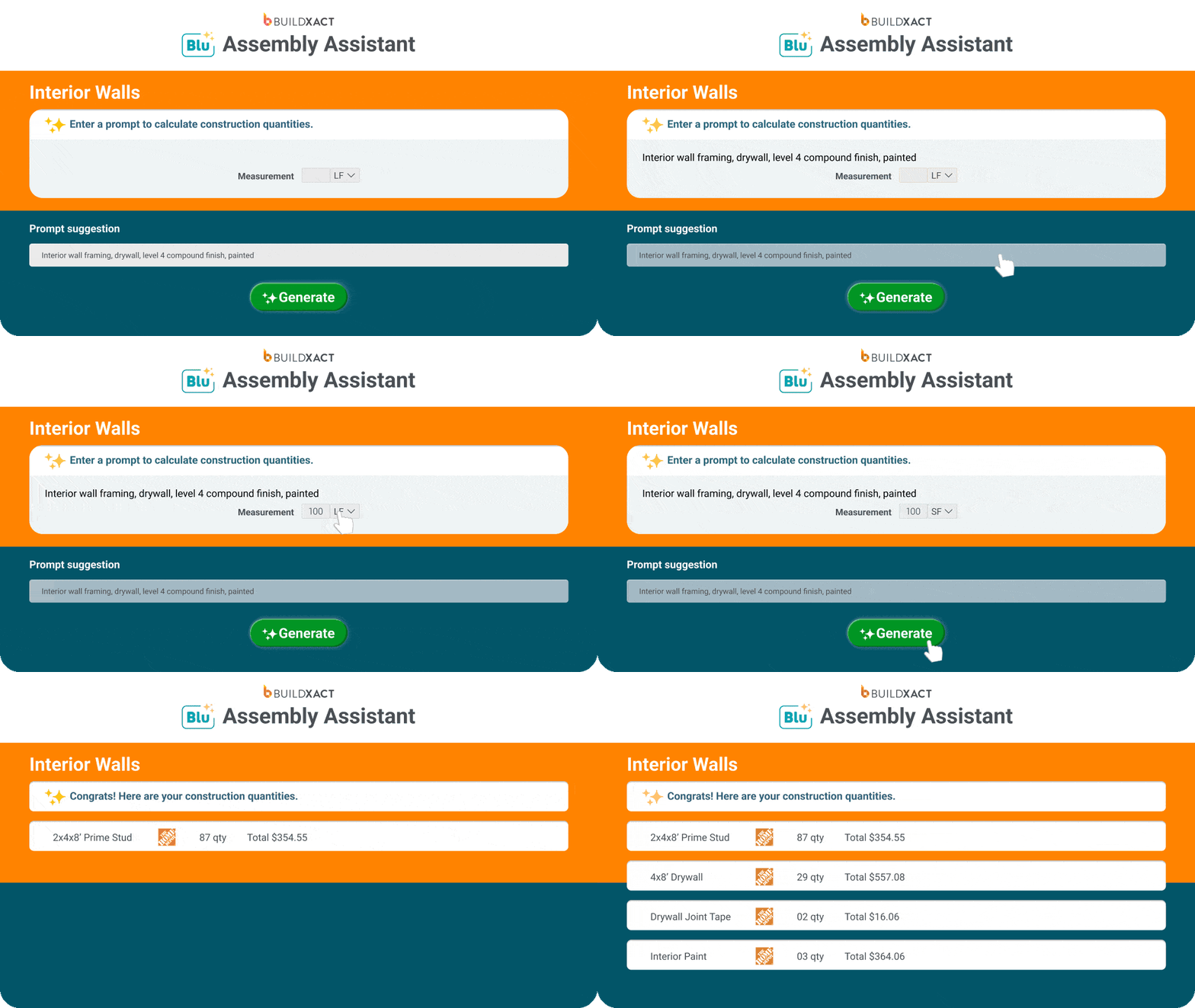
Preparing accurate estimates takes time, especially when you’re pricing multiple projects. Buildxact’s Blu AI estimating assistant helps streamline the estimating process by assisting with takeoffs, estimate creation, and quantity calculations. By reducing repetitive manual tasks, builders can produce detailed estimates faster while lowering the risk of missed items and costly pricing errors.
Digital takeoff tools
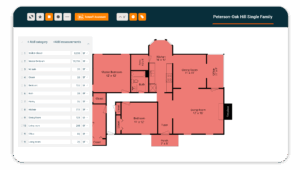
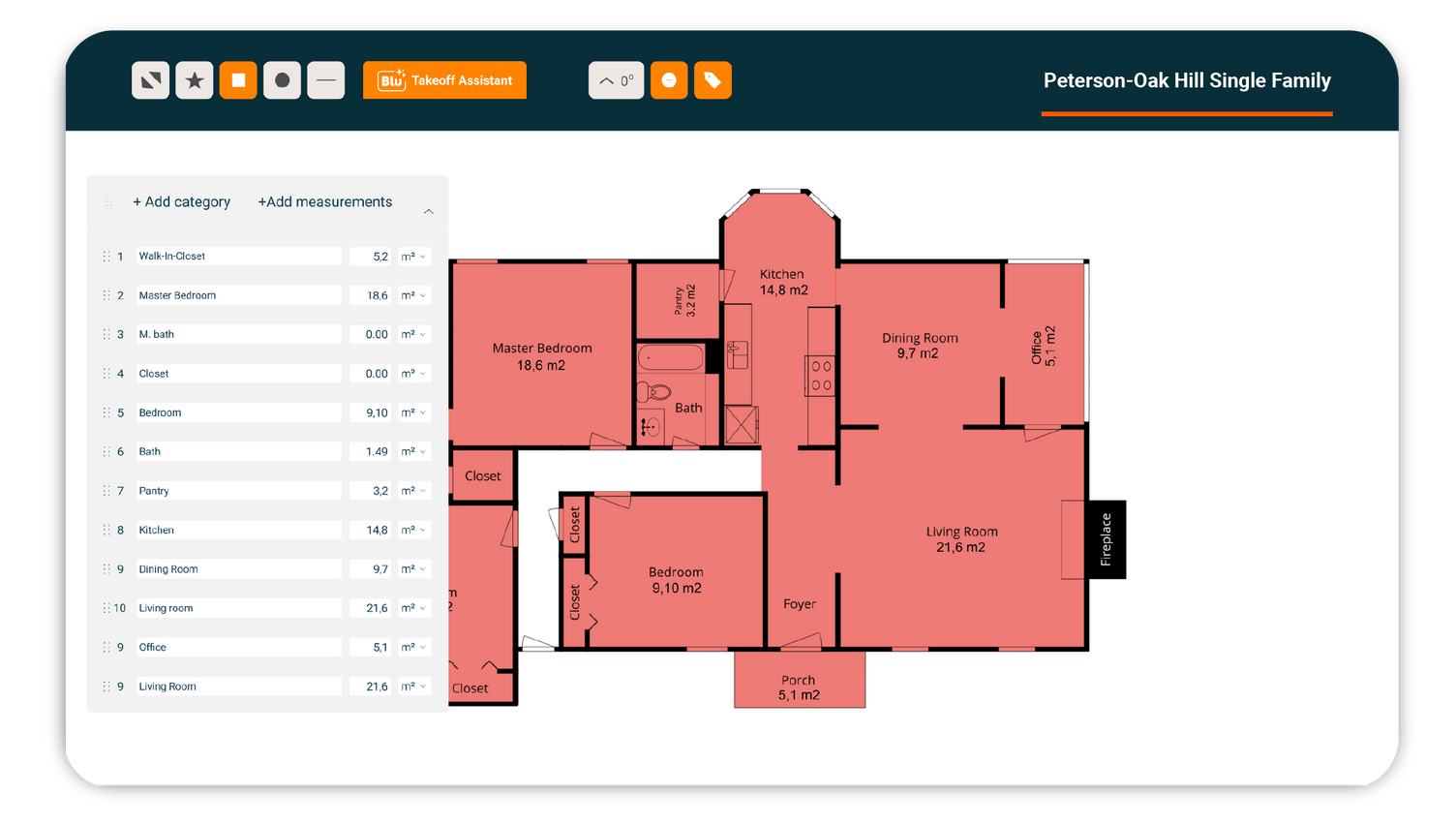
Accurate pricing starts with accurate quantities. Buildxact’s digital takeoff tools allow you to measure directly from plans and automatically transfer quantities into your estimate. This eliminates much of the manual data entry involved in traditional takeoffs, helping builders improve accuracy, reduce rework, and complete estimates more efficiently.
Real-time cost tracking
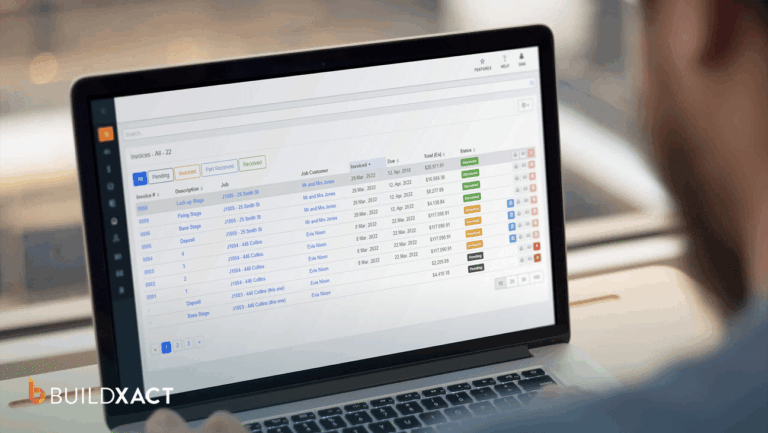
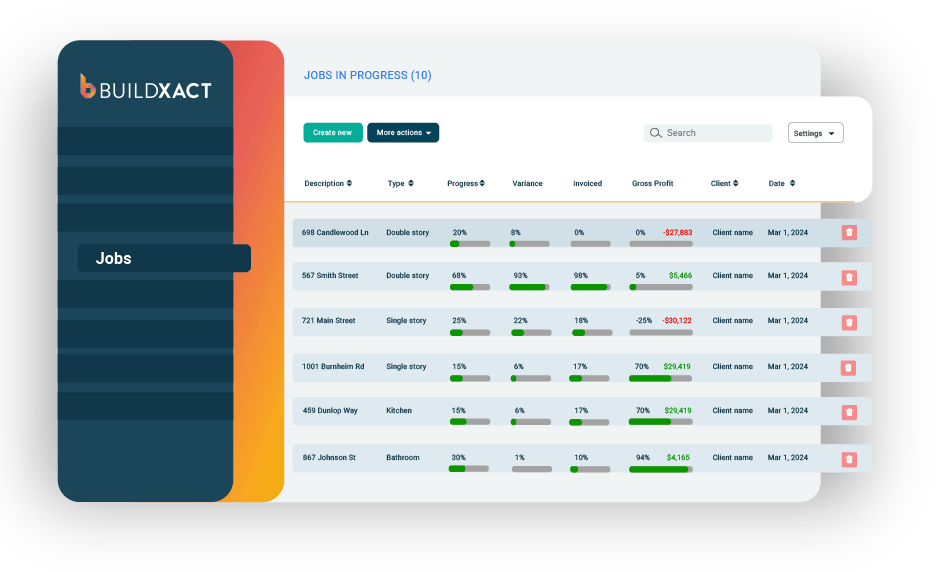
Winning the job is only the first step. Buildxact provides visibility into project costs as work progresses, making it easier to compare estimated costs against actual spend. By tracking budgets, change orders, and job performance in real time, builders can identify issues earlier and maintain greater control over profitability.
Integrated scheduling and job management
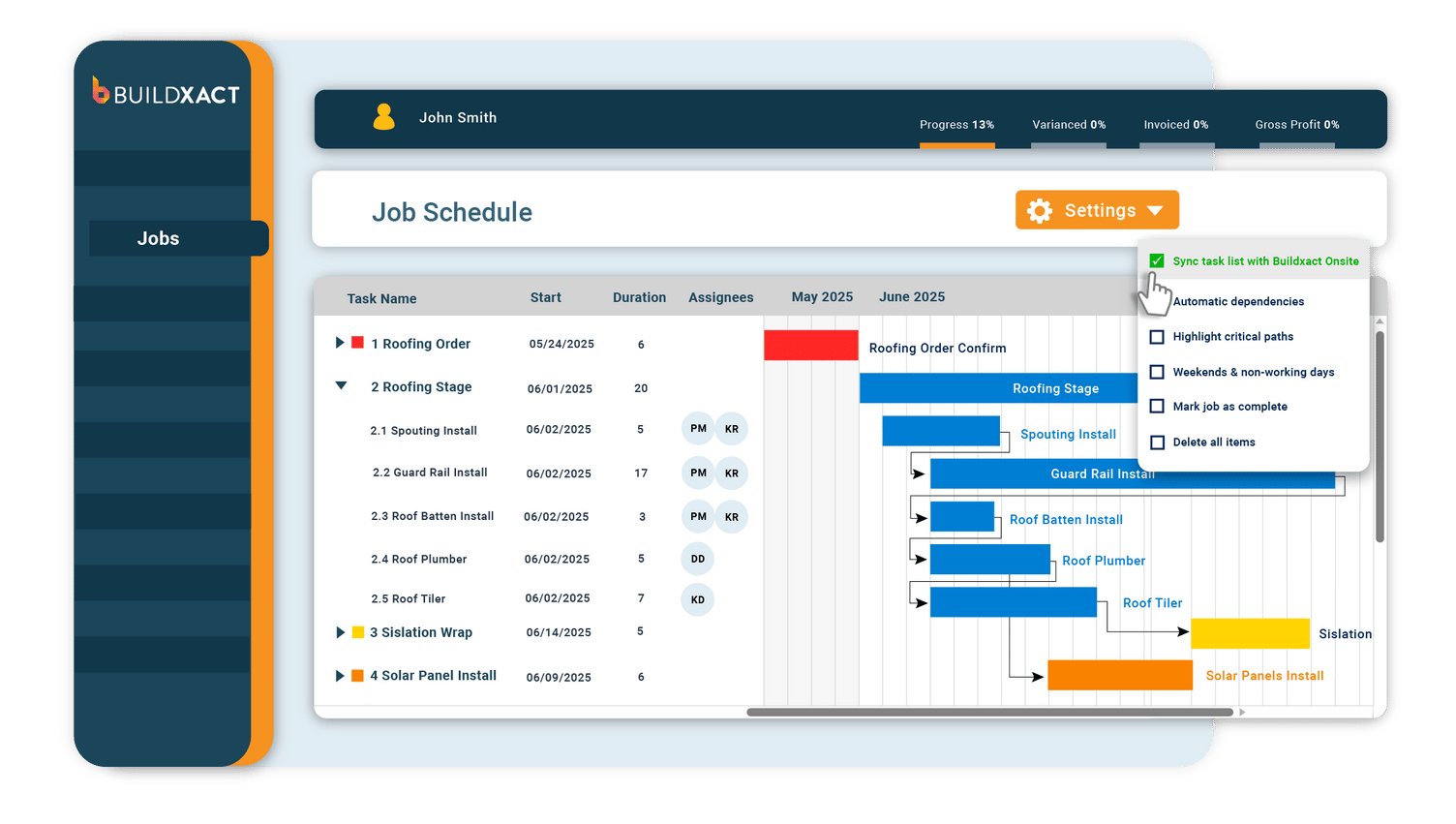
Pricing, scheduling, and project delivery are closely connected. Buildxact brings estimates, schedules, budgets, purchase orders, and project information together in a single platform. This reduces double handling, improves visibility across the job, and helps keep projects on track while keeping costs aligned with the original estimate.
Profitable pricing comes down to two things: a repeatable process and reliable numbers. When you can accurately measure quantities, access current material costs, track budgets, and monitor job performance, you’re in a much stronger position to protect your margins and grow your business.
That’s exactly what Buildxact is designed to do. Built specifically for residential builders, it connects estimating, takeoffs, scheduling, and job costing in one place, helping you create accurate bids faster and keep projects financially on track from start to finish.
Want to build winning bids in a fraction of the time? Get started now with a free 14-day trial or schedule an interactive demo.
How to Price a Construction Job? FAQs
What is the best method for construction job pricing?
The most effective approach is to follow a consistent pricing process that accounts for materials, labor, subcontractors, overhead, contingency, and profit margin. Accurate pricing depends on current cost information, detailed takeoffs, and clear documentation. The more structured your process, the easier it is to protect margins and bid with confidence.
How to price a construction job accurately?
Start by defining the project scope, completing a material takeoff, estimating labor and subcontractor costs, and factoring in overhead, contingency, and profit. Then review local market conditions before preparing the final bid. Using up-to-date pricing data and tracking actual costs from previous jobs can further improve accuracy.
Can I use software for pricing construction work?
Yes. Construction estimating software like Buildxact helps builders create more accurate estimates by connecting takeoffs, pricing, job costing, and project information in one place. Features such as digital takeoffs, live dealer pricing, and real-time cost tracking can reduce manual errors, save time, and help maintain profitability throughout the project.
How to calculate how much to charge as a contractor?
Start by calculating your total project costs, including materials, labor, subcontractors, overhead, and contingency. Then apply a profit margin that supports your business goals and reflects the level of risk involved in the project. The final price should cover all costs while generating a sustainable profit on every job.