
If you’ve been in construction for any length of time, you’ve dealt with lien waivers. Maybe someone handed you one before cutting a check, or a general contractor held up payment until you signed. Either way, most builders handle them without really understanding what they’re agreeing to, and that’s where things go wrong.
This guide breaks it all down: what lien waivers are, the 4 types you’ll encounter, when to use each, and how to build a clean process that keeps payments moving and protects everyone on the job.
What Is a Lien Waiver in Construction?
A lien is a legal claim for unpaid work. In construction, it’s what you use if you’ve done the work and haven’t been paid. You’re basically saying, “I’m owed money, and I’m placing a claim on this property until I get it.” That claim makes it hard for the property owner to sell or refinance, putting pressure on them to resolve the payment issue.
A lien waiver is the opposite of that.
It’s a document you sign when payment is made that says, “I’ve been paid (or I’m about to be), so I won’t file a lien for this amount.”
Think of it like a receipt with legal weight. You’re confirming the payment and giving up your right to chase that same money later through a lien.
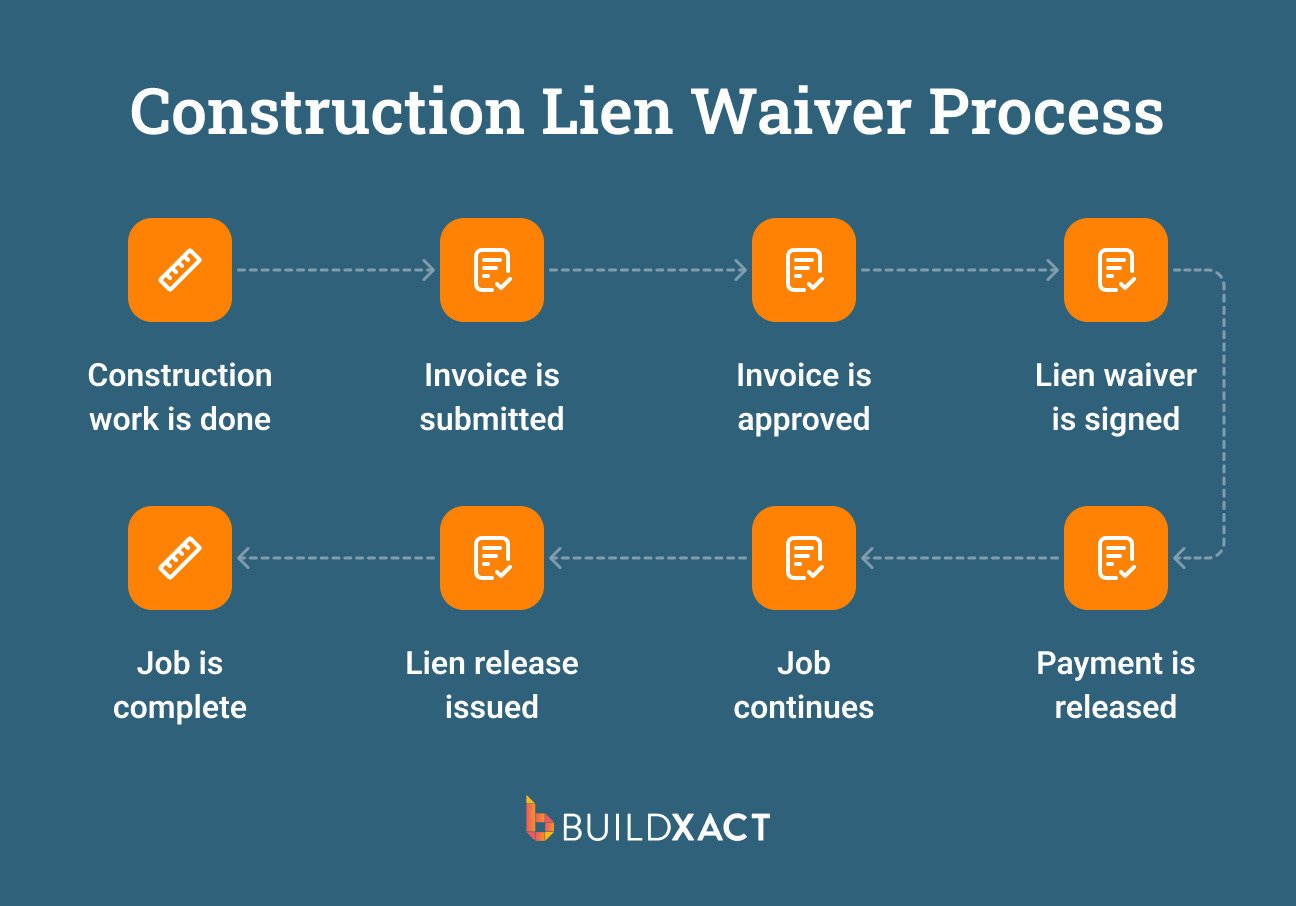
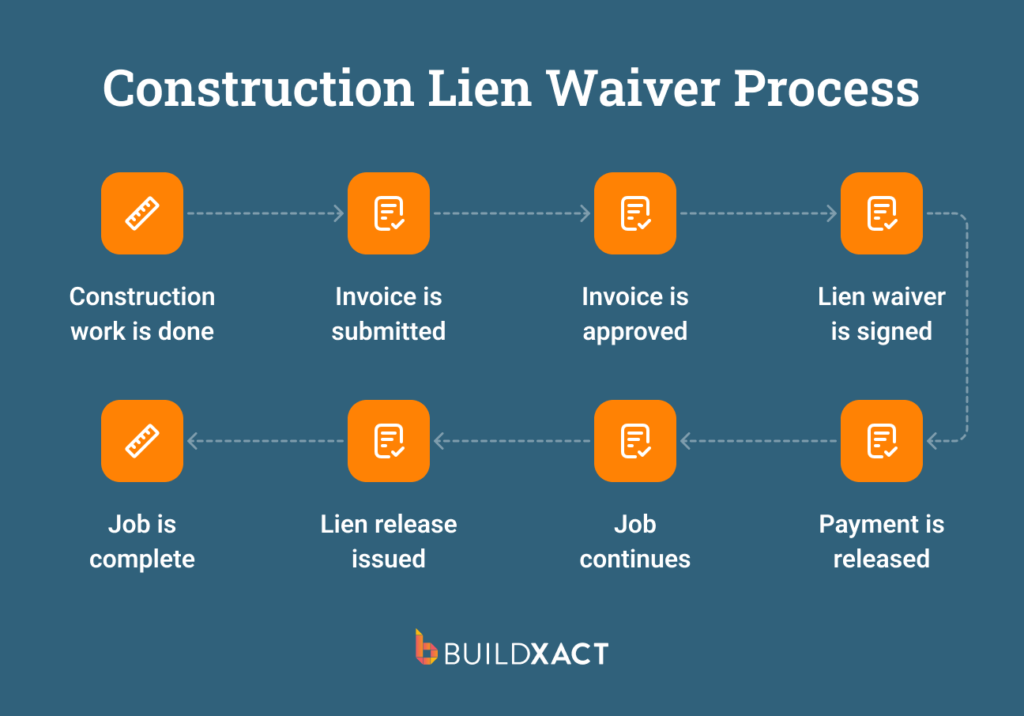
On a real job, this just becomes part of how payments flow. You send an invoice, the funds come through, and then you sign a lien waiver for that amount. The job continues, and the same thing happens again at the next stage. By the time you reach the final payment, everything will have been properly signed off.
Why Lien Waivers Matter on Residential Builds
Lien waivers protect everyone involved in a residential project, not just the builder collecting payment.
For property owners, they reduce the risk of paying twice for the same work. Without a signed waiver, there’s always a chance a contractor, subcontractor, or dealer could still file a lien later, even after money has already changed hands.
For general contractors, lien waivers make it safer to release payments throughout the job. You know the right paperwork is attached to the payment, and you have proof that the work tied to that invoice has been properly signed off.
For subcontractors and dealers, waivers help create a clear payment process. Instead of chasing money or arguing over what’s outstanding, everyone knows what’s been invoiced, what’s been paid, and what rights are being waived.
Most importantly, lien waivers keep construction projects moving.
Many residential builds rely on staged payments. If a waiver is missing, payment usually gets held up. Once payment is delayed, there’s a ripple effect on the project. Subcontractors don’t get paid, materials get delayed, and suddenly a straightforward job becomes stressful.
They also make it much easier to track what’s been paid and what’s still outstanding. When payments are tied to the right paperwork, it becomes much easier to track costs, manage cash flow, and see how each job is performing against budget.
Lien Waiver vs. Mechanics Lien vs. Lien Release
These three terms sound similar, but they happen at completely different stages of the payment process.
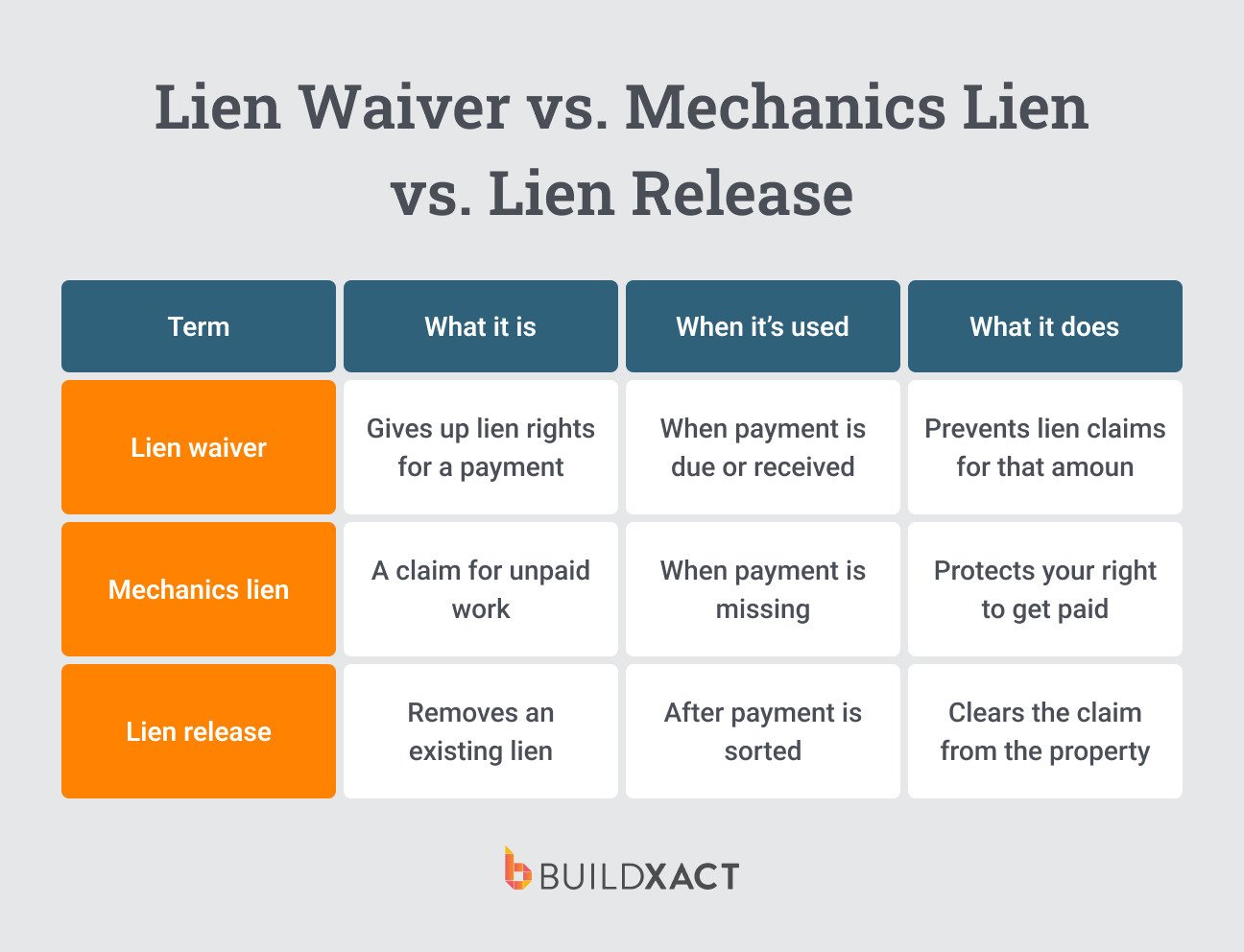
A mechanics lien is what gets filed when payment problems haven’t been resolved. It’s the legal claim used to recover unpaid money tied to a project.
A lien waiver is used before things reach that point. It’s signed during the payment process to confirm that lien rights are being waived for a specific payment amount.
A lien release only comes into play after a lien has already been filed. Once payment is sorted, the release removes that claim from the property.
A simple way to separate them:
- A waiver helps prevent a lien
- A lien is what happens when payment breaks down
- A release clears the lien after the issue is resolved
Ideally, residential projects stay in the waiver stage and never reach the lien stage.
The 4 Types of Lien Waivers
There are four standard lien waivers used in construction, each serving a different purpose depending on where you are in the payment process.
Conditional waiver on progress payment
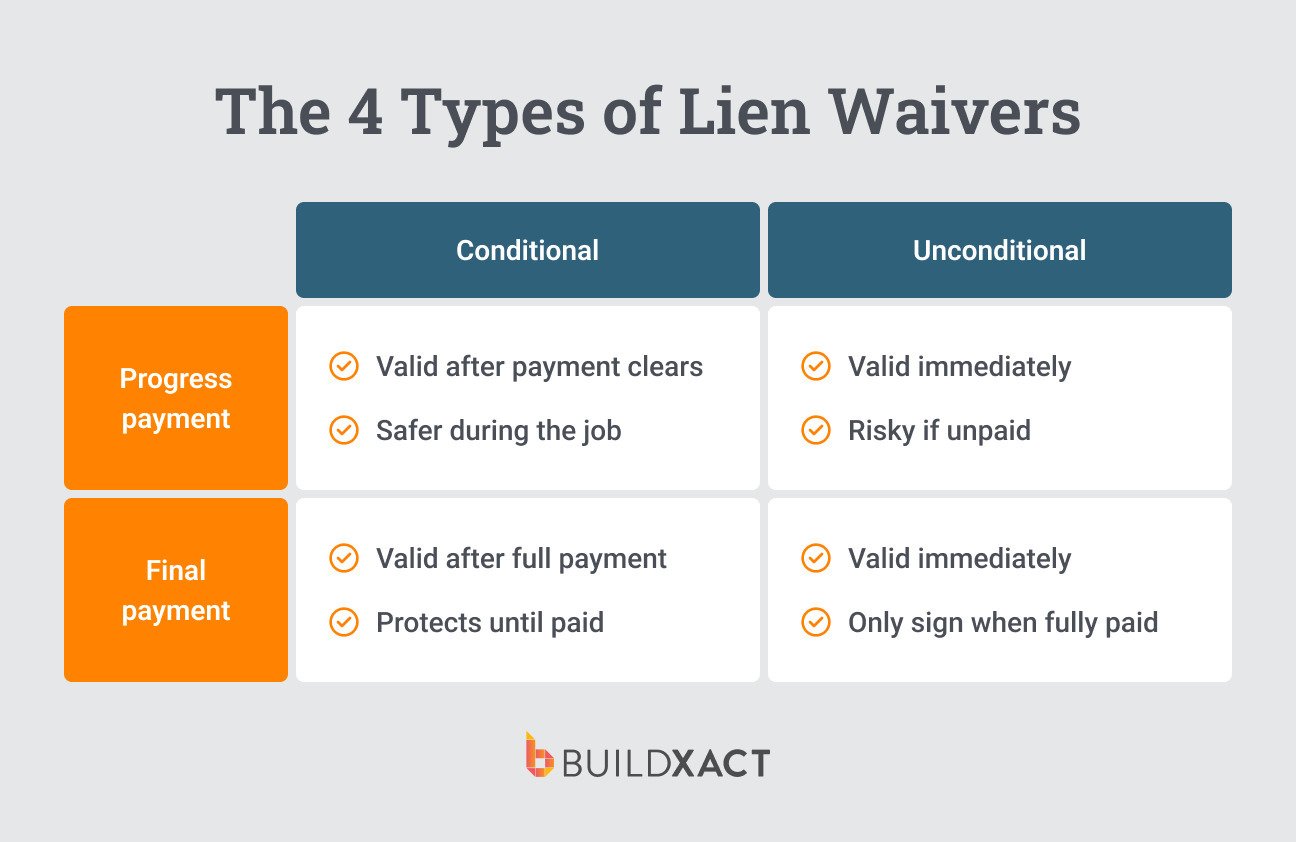
This type of lien waiver is used during the job when a partial payment has been promised, but the funds haven’t cleared yet. You’re agreeing to waive lien rights for that portion of the work only once you’ve received payment. Until then, your protection stays in place.
For builders and subcontractors, this is usually the safer option when waiting on a progress payment to come through.
>> Download conditional progress lien waiver template
Unconditional waiver on progress payment
Once the progress payment has been processed, this waiver releases lien rights for the work completed to date, no strings attached.
Once you sign it, those rights are gone for that payment amount. Because of that, you should only use this waiver after confirming the funds have been received.
>> Download unconditional progress lien waiver template
Conditional waiver on final payment
This waiver is used at the end of the project, when the final payment is expected but hasn’t yet gone through. It waives all remaining lien rights on the job, but only upon receipt of the final funds. Until then, your lien protection stays in place.
For many builders, this is the safer option while waiting for the final check to process.
>> Download conditional final lien waiver template
Unconditional waiver on final payment
This is the final sign-off on the project. Once you sign it, all remaining lien rights tied to the job are permanently gone. There’s no reversing it afterward.
You should only sign this waiver once every dollar owed has fully cleared and is sitting in your account.
>> Download unconditional final lien waiver template
How to Choose the Right Lien Waiver
Choosing the right lien waiver comes down to two things:
- Has the payment cleared yet?
- Is it a progress payment or the final payment?
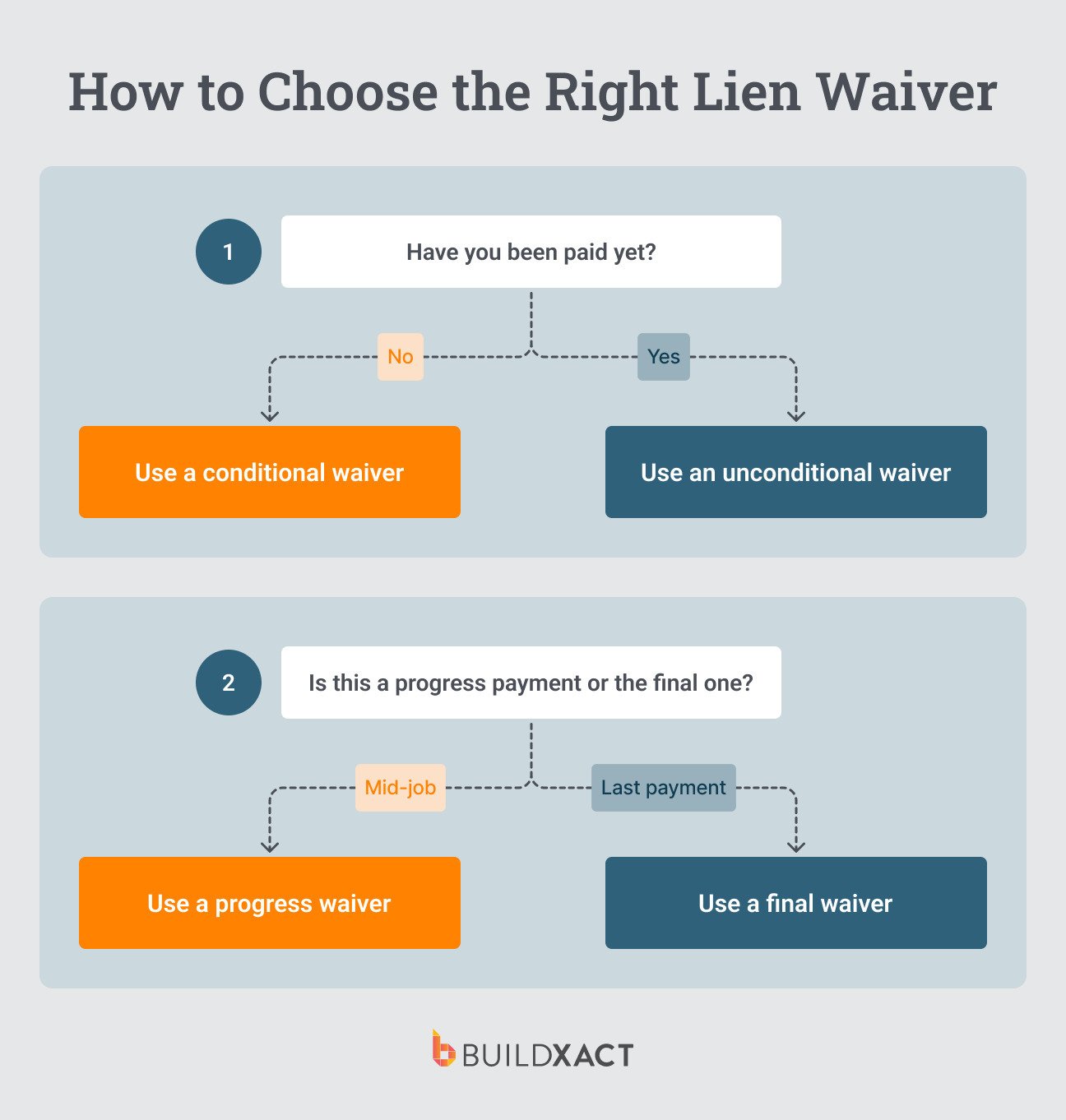
If the money is still pending, you’ll generally want a conditional waiver. That keeps your lien rights protected until the payment actually arrives. If the payment has already cleared, you can use an unconditional waiver instead.
The next thing to look at is where you are in the project.
If you’re somewhere in the middle of the job and dealing with a staged payment, you’ll use a progress waiver. If you’re wrapping up the project and receiving the last payment, you’ll use a final waiver.
Most waiver mistakes happen when builders sign paperwork too quickly without checking those two things first. Before signing anything, confirm the funds have cleared and double-check you’re using the correct waiver for that stage of the construction project.
What Happens if You Use the Wrong Lien Waiver?
Using the wrong waiver can put your payment rights at risk.
The biggest mistake is signing an unconditional waiver before the payment has actually cleared. Once you sign it, you may lose your right to file a lien for that amount, even if the money never arrives.
The wrong waiver can also create confusion around what’s actually been paid. For example, using a final waiver too early can make it appear the entire project has been settled when there are still outstanding payments on the job.
Missing waivers can also cause problems. Many residential jobs won’t release funds until the correct waiver has been submitted. If paperwork is missing, payments are delayed, subcontractors start waiting for money, and the project can quickly fall behind schedule.
Then there’s the admin side. Without a proper process, lien waivers end up scattered across emails, folders, and spreadsheets. That’s often when paperwork gets missed or signed at the wrong time.
On bigger projects with multiple invoices, subcontractors, and staged payments, even small waiver mistakes can create real cash flow pressure. That’s why keeping waivers tied to invoices, payments, and job tracking matters so much.
State-Specific Lien Waiver Rules
Lien waiver rules vary from state to state, so it’s important to use the right form for the project and location you’re working in.
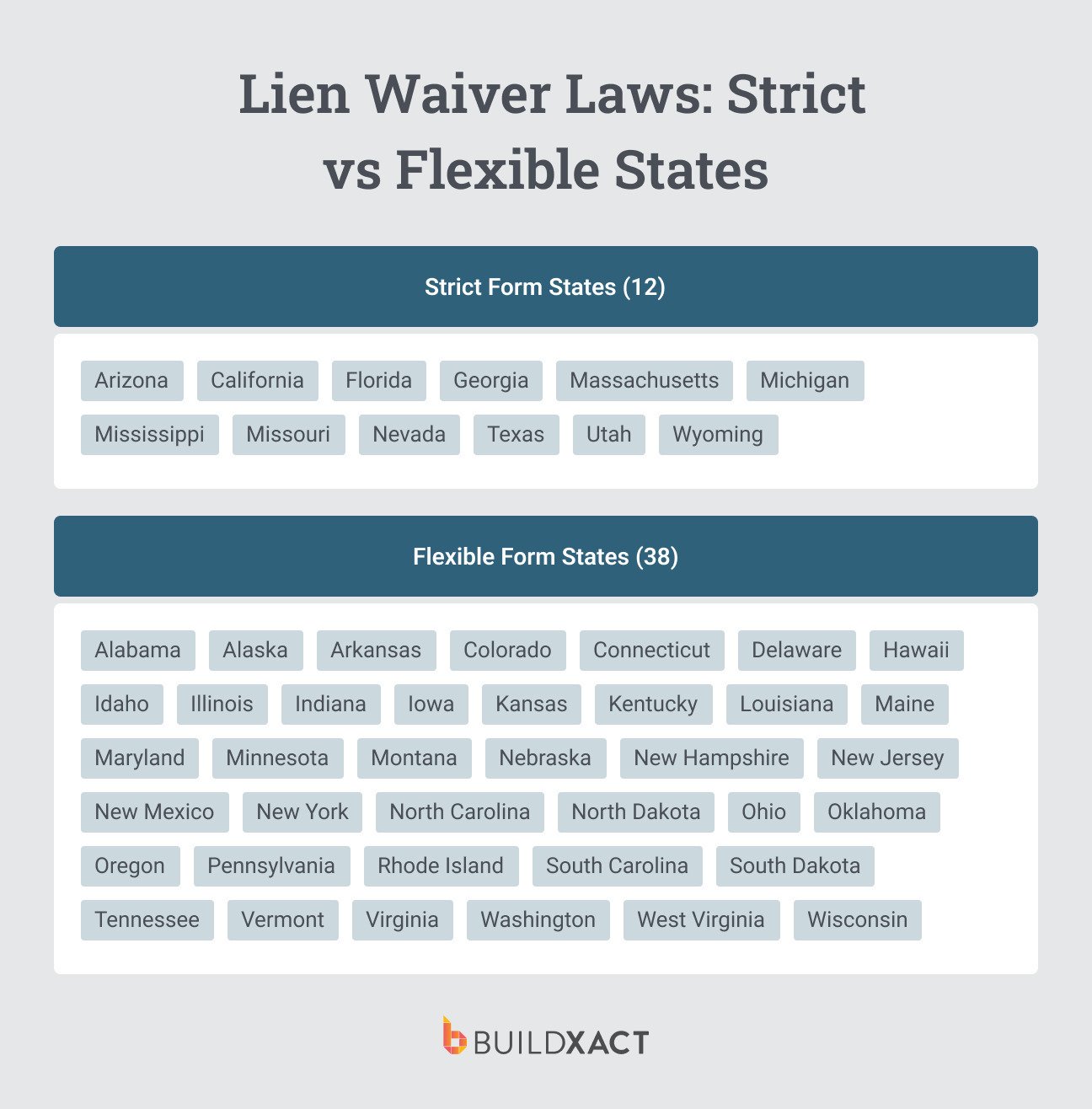
Twelve states require strict, set forms with exact wording: Arizona, California, Florida, Georgia, Massachusetts, Michigan, Mississippi, Missouri, Nevada, Texas, Utah, and Wyoming.
In these states, you can’t edit the form. If you change anything, even slightly, the waiver can be rejected or unenforceable. California is a well-known example of how strict this can be.
The other 38 states are more flexible and allow custom lien waiver forms. That may sound easier, but it can create its own problems. If the wording is too broad, you could accidentally waive more rights than you intended.
Some states also have extra requirements around notarization, payment timing, and when lien rights can legally be waived. For example, Mississippi and Wyoming require notarization for lien waivers, while Texas has removed that requirement for newer projects.
The safest approach is to check your state rules before using a lien waiver template or signing anything. Getting this wrong can affect whether you get paid.
Managing Lien Waivers Across Invoices, Payments, and Job Tracking
Lien waivers work best when they’re treated as part of your normal payment process, not as random paperwork floating around the job.
The flow should stay connected from start to finish and follow the same path:
Estimate, Invoice, Payment, Lien waiver, Next payment
Once those steps stop connecting properly, small issues quickly escalate. Payments get delayed, paperwork goes missing, and nobody is entirely sure what’s been paid, what’s been signed off on, or what’s still outstanding.
You shouldn’t have to dig through emails or spreadsheets to figure out whether a payment cleared or whether a subcontractor already submitted their waiver. That’s why connected systems and construction management software like Buildxact matter so much. With the right tools, your estimating, invoicing, purchase orders, payments, and job costing all work together in one place. You can track what’s been invoiced, what’s been paid, what’s still outstanding, and how each job is performing financially in real time.
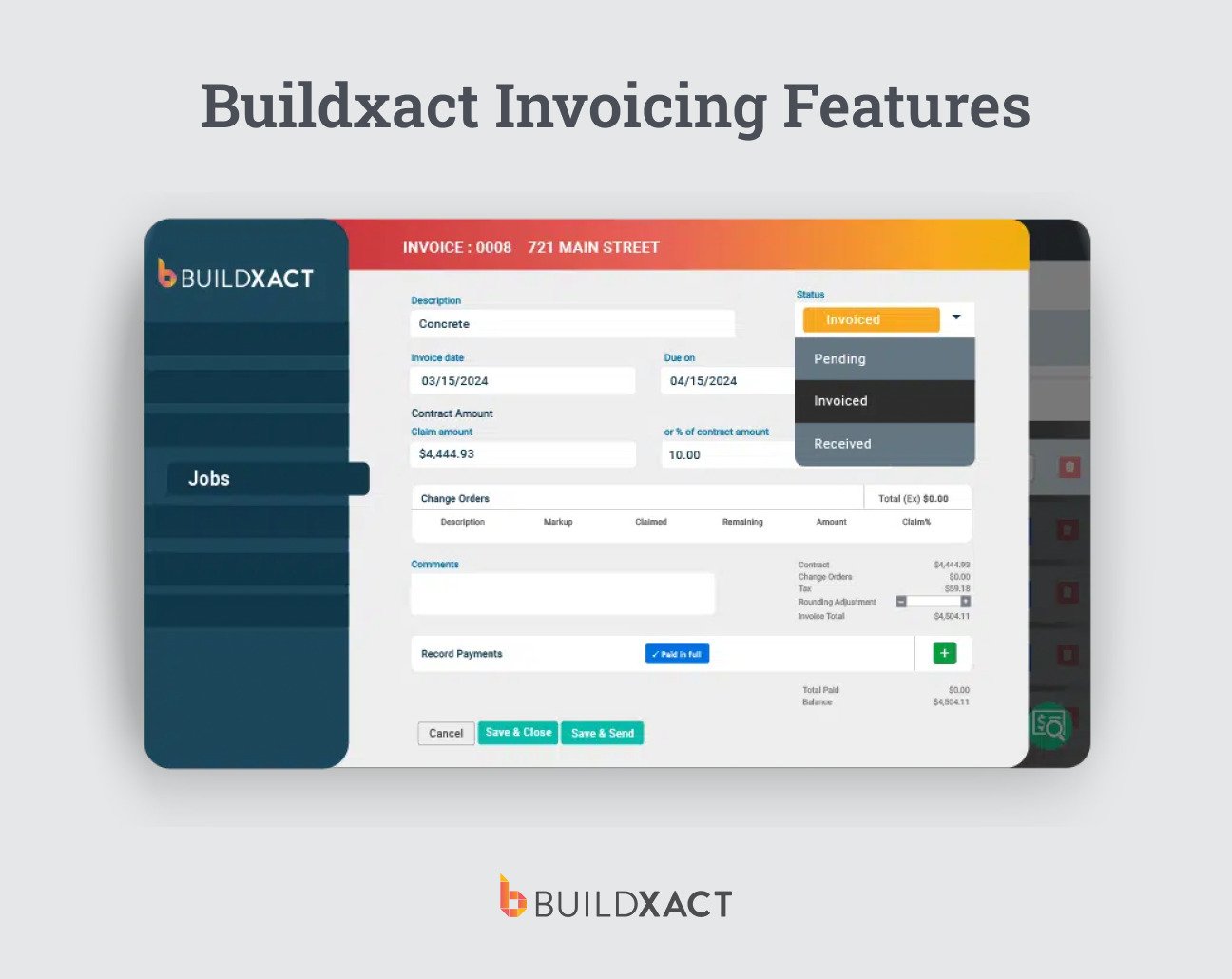
That visibility reduces much of the risk associated with lien waivers. Instead of feeling like stressful legal paperwork, they simply become another step in a payment process you already have under control.
To see how Buildxact helps builders stay on top of invoicing, payments, and project financials, schedule a demo with our team or sign up for free.
FAQs
Do I have to sign a lien waiver to get paid?
In many cases, yes. Property owners and general contractors often require a lien waiver before releasing payment, especially on residential projects with staged progress payments.
Can I refuse to sign a lien waiver?
You can, but it may delay payment. Most builders, subcontractors, and dealers are expected to submit the correct waiver as part of the payment process.
What’s the biggest mistake to avoid?
Signing an unconditional waiver before the payment has actually cleared. Once it’s signed, you may lose your right to file a lien for that amount even if the money never arrives.
Do lien waivers apply to dealers, too?
Yes. Material dealers can also file mechanics liens if they aren’t paid, which is why dealers are often required to submit lien waivers before payments are released.