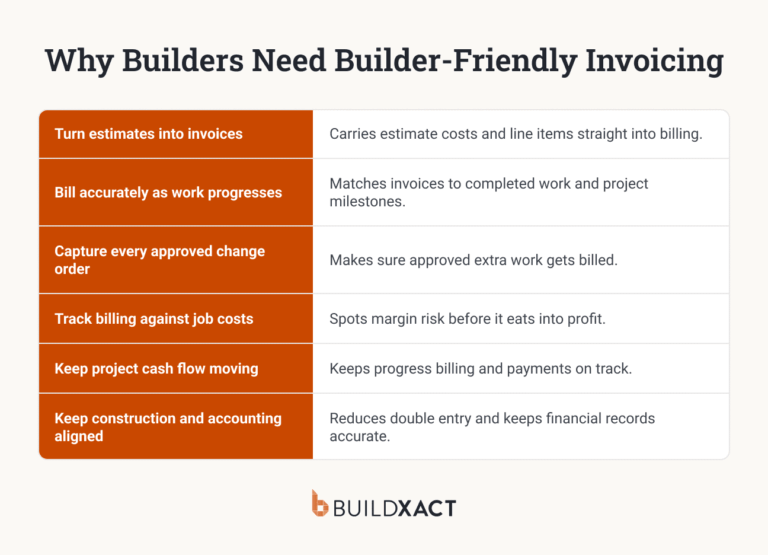


The final stage of a build should be when everything comes together for a seamless handover. Instead, it often turns into a scramble.
Important project documents are lost in a mountain of emails and folders. Owners are asking questions that require digging through old messages. Small defects are still being tracked on paper or not at all.
Without a clear system to manage communication and track final tasks in one place, your project closeout is anything but smooth.
A structured construction project handover fixes this. With the right process, clear documentation, and centralized visibility, builders can close out jobs efficiently and keep clients happy with a professional, controlled result.
In this guide, you’ll find a step-by-step breakdown of the full handover process, best practice tips for successful handover, and a downloadable construction project handover process template to keep everything on track.
What is a Construction Project Handover?
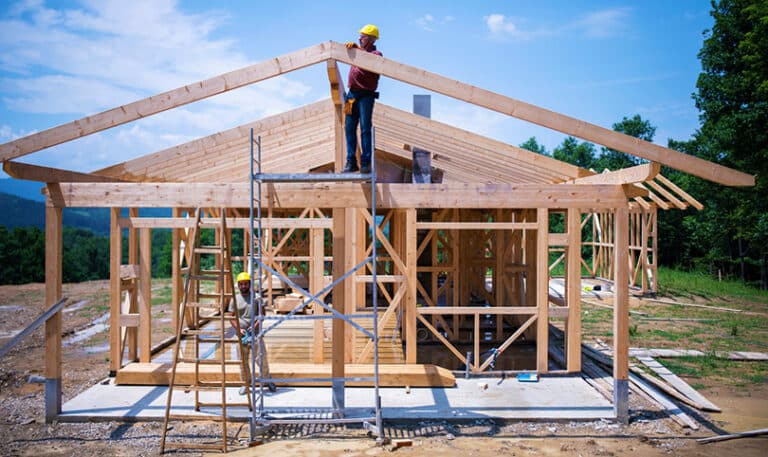
A construction project handover is the formal process of transferring a completed project from the builder to the owner.
It marks the point at which all construction work is finished, final checks are complete, and the project is officially handed over to the owner.
In residential construction, handover usually happens at the end of the build, after inspections, defect corrections, and final documentation have been completed. It’s the last step before the client signs off and the project closes out.
A complete construction handover typically includes:
- Final site inspections and quality checks
- Completion of the punch list or defect items
- As-built drawings and warranties
- Compliance certificates and permits
- Operations and maintenance documentation
- Client walkthrough and sign-off
The handover process usually involves the builder, homeowner, subcontractors, inspectors, and suppliers, where required.
Without a well-structured handover process, important details can easily get missed. Easy-to-access documentation, clear communication, and organized closeout workflows can reduce delays and last-minute issues during handover.
Why You Need a Construction Project Handover Checklist
Research shows that 33% of project data is lost during the handover process, while up to 4% of project costs go towards manually resolving missing information.
Issues like lost data and disconnected workflows during handover make defects and callbacks more likely, and increase the risk of payment delays and unhappy clients who are unlikely to return.
Let’s take a look at some typical construction handover challenges and how they impact your business:
Missing documentation creates confusion
The problem: Handover documents are spread across emails, folders, and paper files, making it difficult to confirm that everything required for closeout has been completed and delivered.
The consequence: Missing warranties, manuals, or compliance certificates may delay the closeout process and final payments. This means extra admin for you and frustration for clients when they can’t access important project information after occupancy.
As-built conditions don’t match project records
The problem: Changes made during construction aren’t always reflected in final drawings or documentation, leaving project records incomplete or inaccurate by the time handover begins.
The consequence: Inaccurate as-built records can make future maintenance and renovations more difficult, and increase the risk of disputes over completed work or project scope.
Last-minute fixes reduce handover quality
The problem: Defects and incomplete tasks accumulate near project completion because issues weren’t identified or resolved consistently throughout the build.
The consequence: A rushed closeout can be costly. Rework and callbacks take up valuable time and eat into margins, while quality issues can impact client satisfaction.
Poor communication frustrates clients
The problem: Clients receive inconsistent updates about inspections, timelines, remaining work, or handover requirements, often across multiple channels.
The consequence: In addition to causing confusion, delays, and extra back-and-forth, unclear communication can weaken client confidence at one of the most important stages of the project.
Manual systems increase the risk of mistakes
The problem: Builders try to manage inspections, approvals, and handover tasks manually across spreadsheets, paperwork, and scattered communication.
The consequence: Disconnected systems make it harder to track progress accurately, increasing the likelihood of costly oversights and avoidable closeout errors.
A clearly defined construction handover process can help to avoid these challenges by:
- Keeping documentation organized and accessible
- Reducing disputes over incomplete work or missing information
- Tracking punch list items clearly through to completion
- Speeding up final approvals and payments
- Improving client satisfaction and referral opportunities
A Step-by-Step Guide to the Construction Project Handover Process
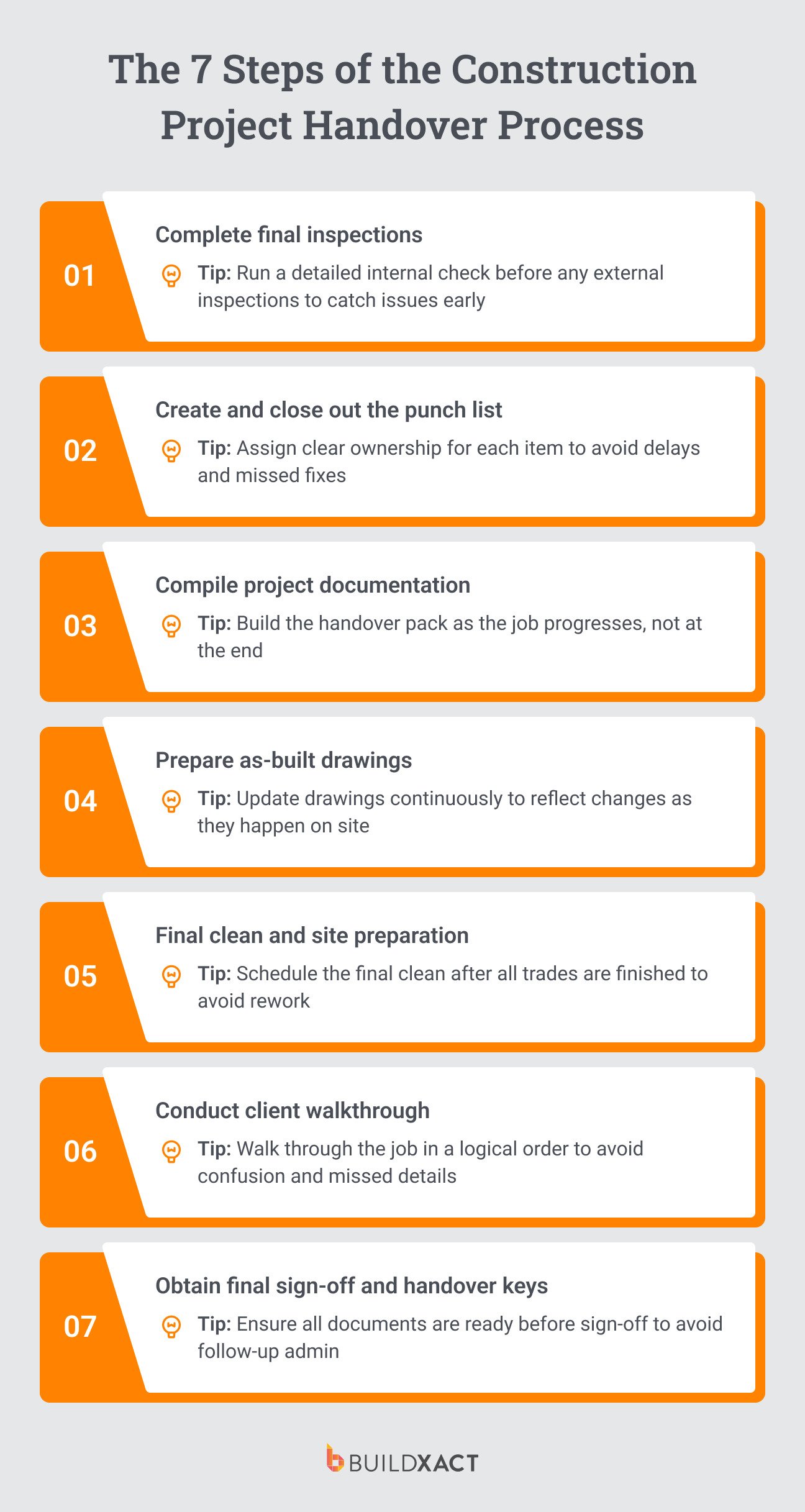
Successful handovers start well before the final walkthrough. In advance of the project officially changing hands, you’ll need to complete inspections, resolve defects, finalize records, and prepare the site for occupancy.
Breaking your project handover into clear stages makes it easier to stay in control and deliver a professional closeout experience.
1. Complete final inspections
Start with a full review of the completed project to confirm all work meets quality expectations, contract requirements, and local code standards. This stage may include internal quality checks alongside third-party or regulatory inspections where required.
Catching issues early gives you time to resolve them before client walkthroughs and final sign-off begin.
Pro tip: Run internal inspections progressively throughout the build instead of leaving everything until project completion.
2. Create and close out the punch list
Once inspections are complete, create a punch list covering any defects, incomplete work, touch-ups, or outstanding tasks. Assign responsibility for each item and clearly track completion deadlines.
Before the final walkthrough, verify every item has been resolved and signed off internally to avoid callbacks and delays after occupancy.
Pro tip: Track punch list items in real time during the build so defects don’t pile up at the end of the project.
3. Compile project documentation
A complete handover includes more than the physical build. You’ll also need to organize all required project documentation for the client.
This may include:
- Operations and maintenance manuals
- Warranties and guarantees
- Compliance certificates
- Permits and approvals
- Product information and specifications
Keeping documents centralized and accessible makes the handover process far smoother for both builders and clients.
Pro tip: Organize documentation continuously throughout the project instead of trying to collect everything at the end.
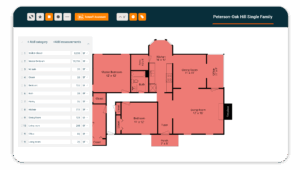
4. Prepare as-built drawings
As-built drawings should reflect the final completed construction, including any changes made during the build process. Accurate records are important for future maintenance, renovations, servicing, and warranty work.
Ensure drawings are updated, reviewed, and delivered in a format the client can easily access later.
Pro tip: Update as-built drawings as changes happen onsite to avoid time-consuming revisions after construction is complete.
5. Final clean and site preparation
Complete a thorough site clean and remove any remaining waste, materials, or equipment. The property should be fully prepared for occupancy and presented in a professional condition.
A clean, organized site helps reinforce the quality of the overall project and creates a better final experience for the client.
Pro tip: Schedule the final clean after all trades have completed their work to avoid repeat cleaning and delays.
6. Conduct client walkthrough
The client walkthrough is your opportunity to review the completed project together, explain important systems or features, and answer any final questions.
Walk clients through key operational details, maintenance requirements, warranties, and any remaining handover documentation so expectations are fully aligned.
Clear communication during this stage helps reduce misunderstandings and strengthens client confidence in the finished build.
Pro tip: Keep clients informed throughout the closeout process so there are no surprises during the final walkthrough.
7. Obtain final sign-off and hand over keys
The final step is formal project acceptance. Once all work, documentation, and punch list items are complete, obtain the client’s signed approval and transfer ownership or site access.
This stage should include final sign-off records, confirmation that all handover requirements have been completed, and delivery of all remaining documents and keys.
Pro tip: Use a standardized handover checklist to confirm every requirement has been completed before requesting sign-off.
Construction Project Handover Checklist Template: Download Now
With our project handover checklist template, you’ll have a practical framework to track every stage of handover, including:
- Final inspections and defect resolution
- Client walkthroughs and sign-off
- Documentation and warranty collection
- As-built drawings and compliance records
- Final closeout tasks and approvals
Download your construction project handover checklist template now: download here
To make your handovers even more efficient, choose a construction management platform that streamlines closeout tasks and keeps all your communication in one place. Tools like Buildxact include client communication portals and automated approval workflows that speed up and streamline handovers.
How Technology Improves Construction Project Handovers
Manually managing handovers creates additional risk at a crucial stage of the project. Documents go missing, defects get overlooked, approvals stall, and frustrated clients are left chasing updates.
Construction management software adds visibility and consistency to the closeout process by keeping every task connected.
Avoid ‘version chaos’ with everything in one place
Centralized project management systems keep warranties, approvals, plans, certificates, and client records organized and accessible throughout the build and at handover.
Features like Buildxact’s centralized customer communication let you keep track of every interaction and access everything from a single hub.
Track punch list items in real time
Digital task tracking gives builders real-time visibility into defects, touch-ups, responsibilities, and deadlines, helping teams close out outstanding work faster.
Buildxact’s Onsite mobile app lets you share and update task lists in real time, making it simple to track progress and see what’s still outstanding.
Automate inspections and approvals
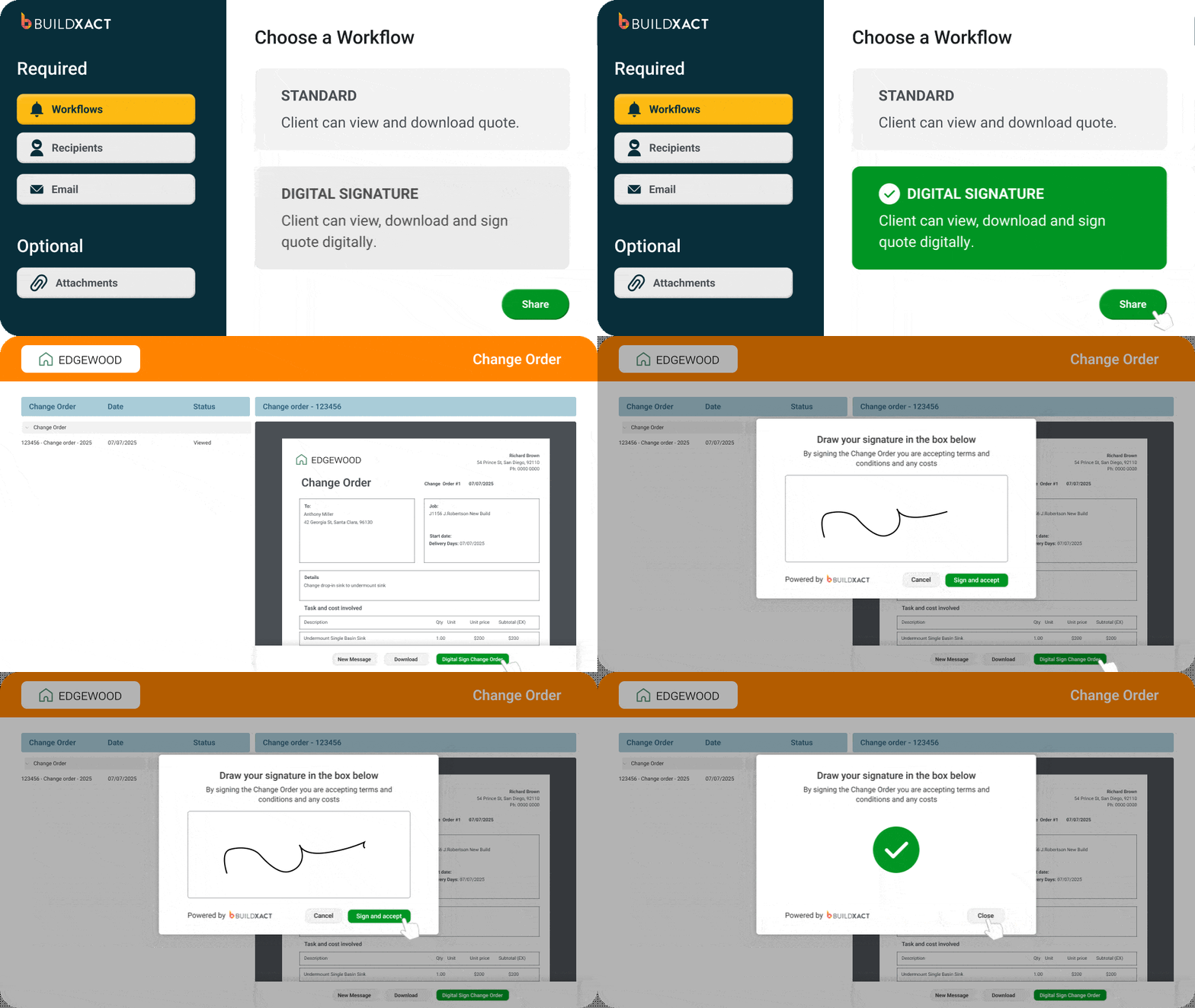
Digital workflows simplify inspections, sign-offs, and approvals by keeping updates visible and moving tasks forward without unnecessary back-and-forth.
Construction management software that includes tools like digital signatures and automated approval workflows ensures these steps can be actioned quickly and easily.
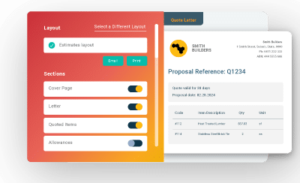
Use consistent templates for handover documents
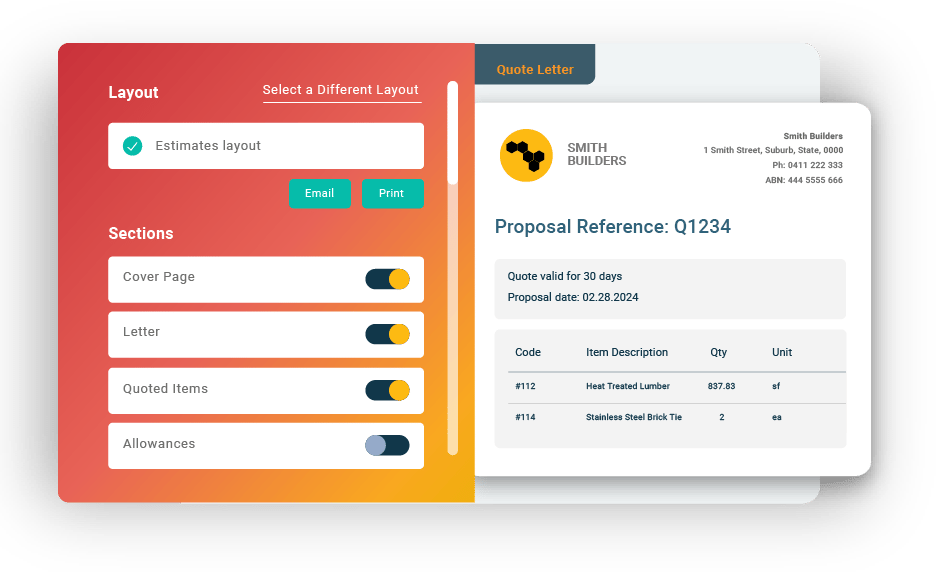
Standardized templates reduce missing information, improve consistency, and make the closeout process easier to manage across multiple jobs.
Convenient features like online templates and digital document management help Buildxact pros more than double the number of jobs they complete on time each year.
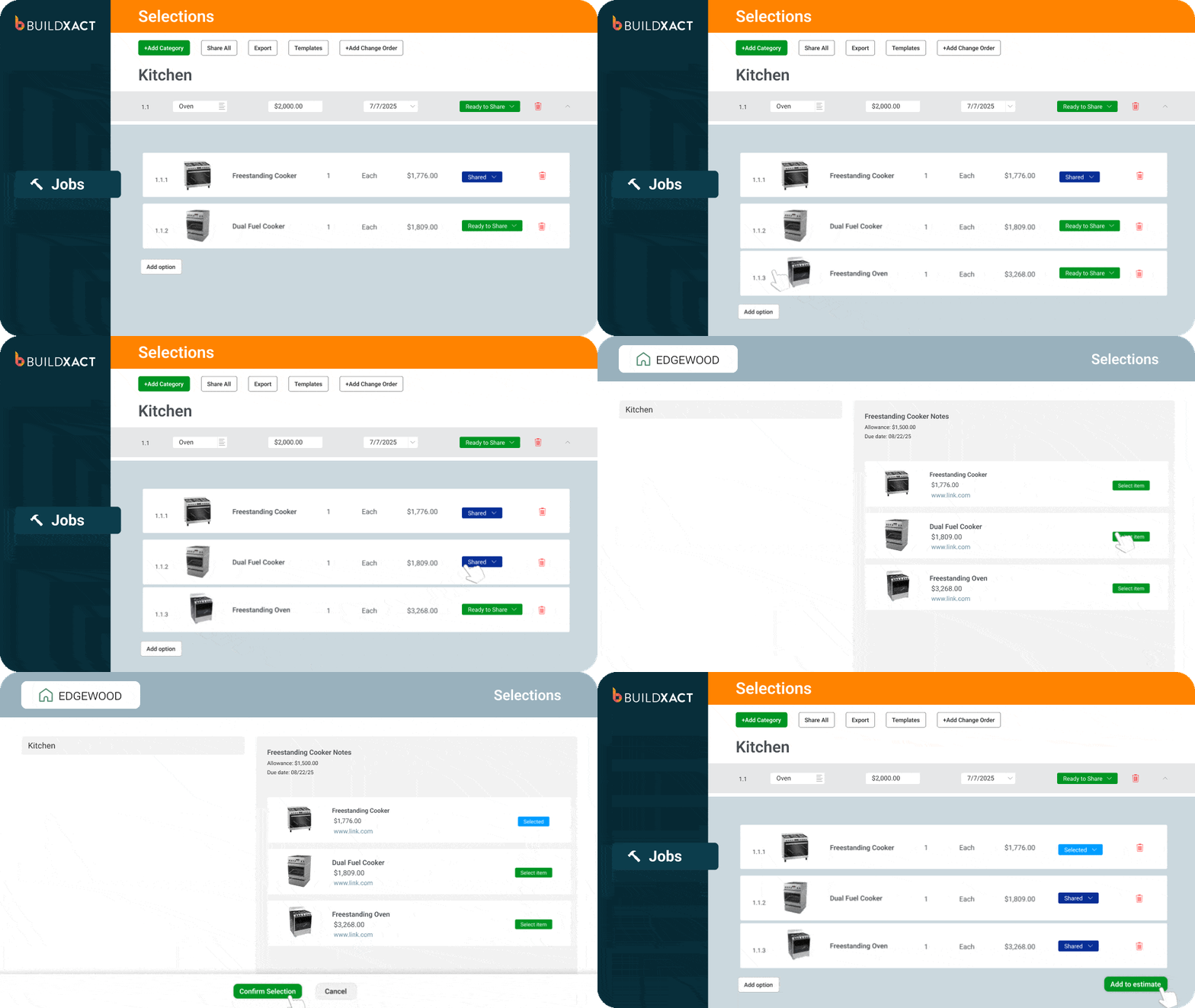
Keep clients informed during closeout
Shared updates, centralized communication, and live project visibility help reduce confusion while keeping expectations aligned ahead of final walkthroughs and sign-off.
Buildxact’s Client Portal takes the hassle out of tracking customer interactions, project status, and change orders.
With connected workflows and centralized visibility, construction management software like Buildxact helps you deliver a smoother handover experience from final inspection through to project closeout.
Construction Project Handover Checklist: FAQs
When is a construction project ready for handover?
A construction project is ready for handover once all contracted work is complete, inspections are passed, punch list items are resolved, documentation is organized, and the client walkthrough and final sign-off can be completed without outstanding issues delaying occupancy or closeout.
Who is responsible for managing the handover process on a construction project?
The builder or project manager is typically responsible for managing the handover process. This includes coordinating inspections, tracking punch list items, communicating with clients and subcontractors, and ensuring all handover requirements are completed before final sign-off and key transfer.
What happens if issues are found after project handover?
If issues are identified after handover, builders usually address them through warranty obligations, defect liability periods, or agreed post-handover processes. Clear documentation and organized sign-off procedures help reduce disputes and make it easier to resolve outstanding issues efficiently.
Streamline Your Project Handover Process and Close Out Every Job Successfully
A smooth handover means you’ll spend less time dealing with callbacks and issues, receive final payment sooner, and deliver a better client experience that can bring more referrals for your business.
But this type of structured finish can only come from clear handover processes and an organized system that gives you visibility into and control over every task, document, and customer interaction.
Construction management software like Buildxact helps residential builders run project handovers more efficiently by centralizing documentation, tracking punch list items, and keeping all project information in one easily-accessible place.
With streamlined workflows designed around real residential projects, you can avoid costly oversights and take the hassle out of your handovers.
Ready to simplify your project handovers and make every closeout a success? Get started now with a 14-day free trial or book an interactive demo.