
On paper, a project manager plans, runs, and delivers a job.
But if you’re a residential builder, you already know that’s not how it works.
You’re the one bidding for the job, lining up trades, chasing deliveries, updating the client, and fixing problems when things inevitably shift. There isn’t a separate “project manager” walking around doing that for you. It’s just part of the job.
When those responsibilities sit with you, staying organized and in control is the difference between keeping your head above water and letting the job run you.
In this guide, we’ll show how to manage your projects with more control, less stress, and the tools available today that make running a job a whole lot easier.
The 4 Ps of Construction Project Management
If you strip it all back, everything you’re doing on a job fits into four areas: planning, people, progress, and profit. These are the core things that determine whether a job runs smoothly or turns into chaos.
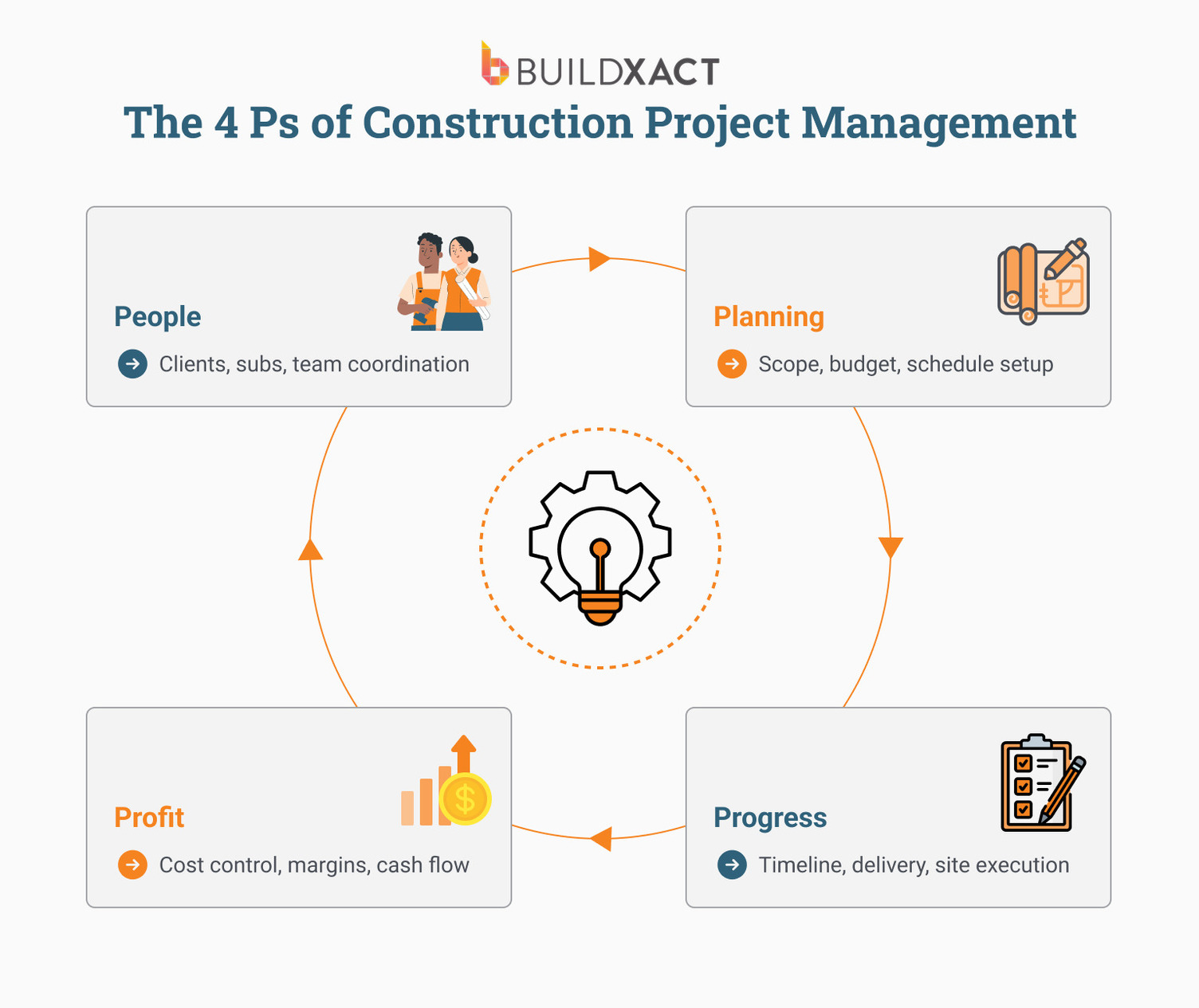
Planning (scope, budget, schedule setup)
Planning involves everything that happens before you even step on site. You’re pricing the job, working through plans, building your estimate, and figuring out how long it’s going to take.
Get this wrong, and you spend the rest of the build trying to recover. Get it right, and the job has a solid foundation from day one.
People (clients, subs, coordination)
Managing a construction company is as much about managing people as it is about the build itself. For instance, a miscommunication with a client or someone on your team working off the wrong information can throw your entire schedule off.
The job only runs smoothly when everyone knows what’s happening, what’s changed, and what comes next.
Progress (timeline, execution, delivery)
This is where the plan meets reality. The job is live, things are shifting, and you’ve got to keep it moving. If your schedule starts to slip, it creates a ripple effect across the entire job, including your costs.
Profit (cost control, margins, cash flow)
You can run a smooth job and still lose money if you’re not tracking it properly. This is where you need to watch costs, manage change orders, and ensure the job is performing as expected.
Revenue doesn’t mean much if your margins are disappearing along the way.
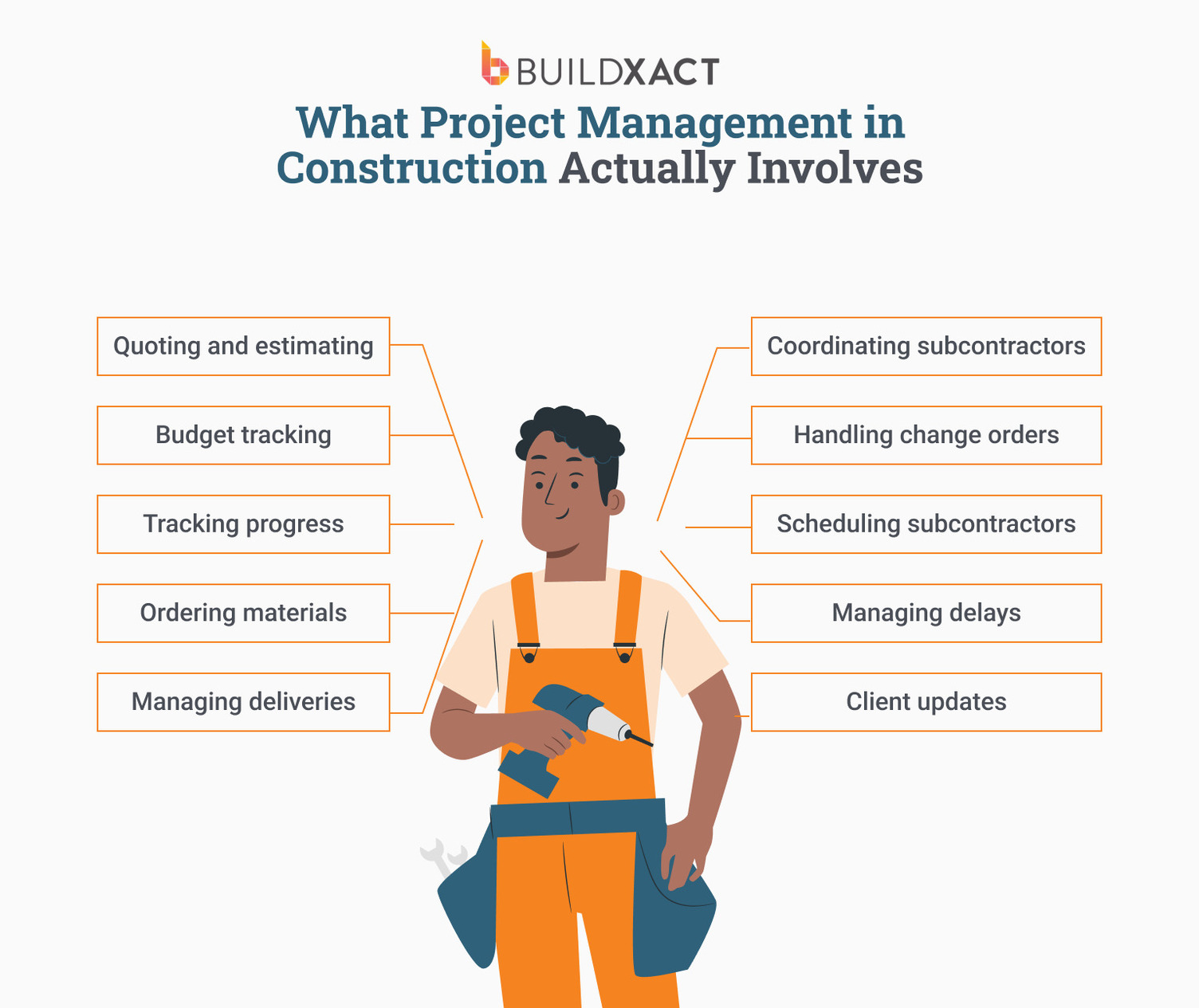
What Project Management in Construction Involves (Beyond the Checklist)
If you’re running jobs, you’re already managing projects.
You might not call it that, but every time you price a job, schedule trades, talk to a client, or fix a problem on site, you’re doing project management.
The difference isn’t whether you’re doing it. It’s how controlled it is. Let’s break down what that actually involves in a real residential building job.
Budgeting and cost control
The estimate sets the plan, but the real work is tracking how the job performs against it. Small overruns don’t feel like much in the moment, but they stack up fast.
When you can see estimates versus actual costs clearly, you can step in early and stay in control of your budget.
Scheduling and timelines
Every job has a plan, but things rarely go exactly to schedule. A late delivery or a subcontractor delay can push everything else back. Managing the timeline means constantly adjusting while keeping the overall job moving, and having a clear schedule you can update quickly makes that a lot easier.
Communication and stakeholder management
You’re the link between the client, subs, and dealers. If information is scattered, things get missed. Keeping everyone aligned on what’s happening helps avoid rework, delays, and unnecessary back-and-forth.
Subcontractor coordination
Getting the right subs on-site at the right time, in the right order, is what keeps a job running smoothly. When coordination slips, you get downtime, overlap, and frustration on-site. Shared schedules and clear visibility help keep everything moving the way it should.
How a Project Manager Runs a Construction Project From Start to Finish
A construction project doesn’t run in neat phases. It unfolds in real time, with decisions stacking on top of each other from the bid to the final invoice.
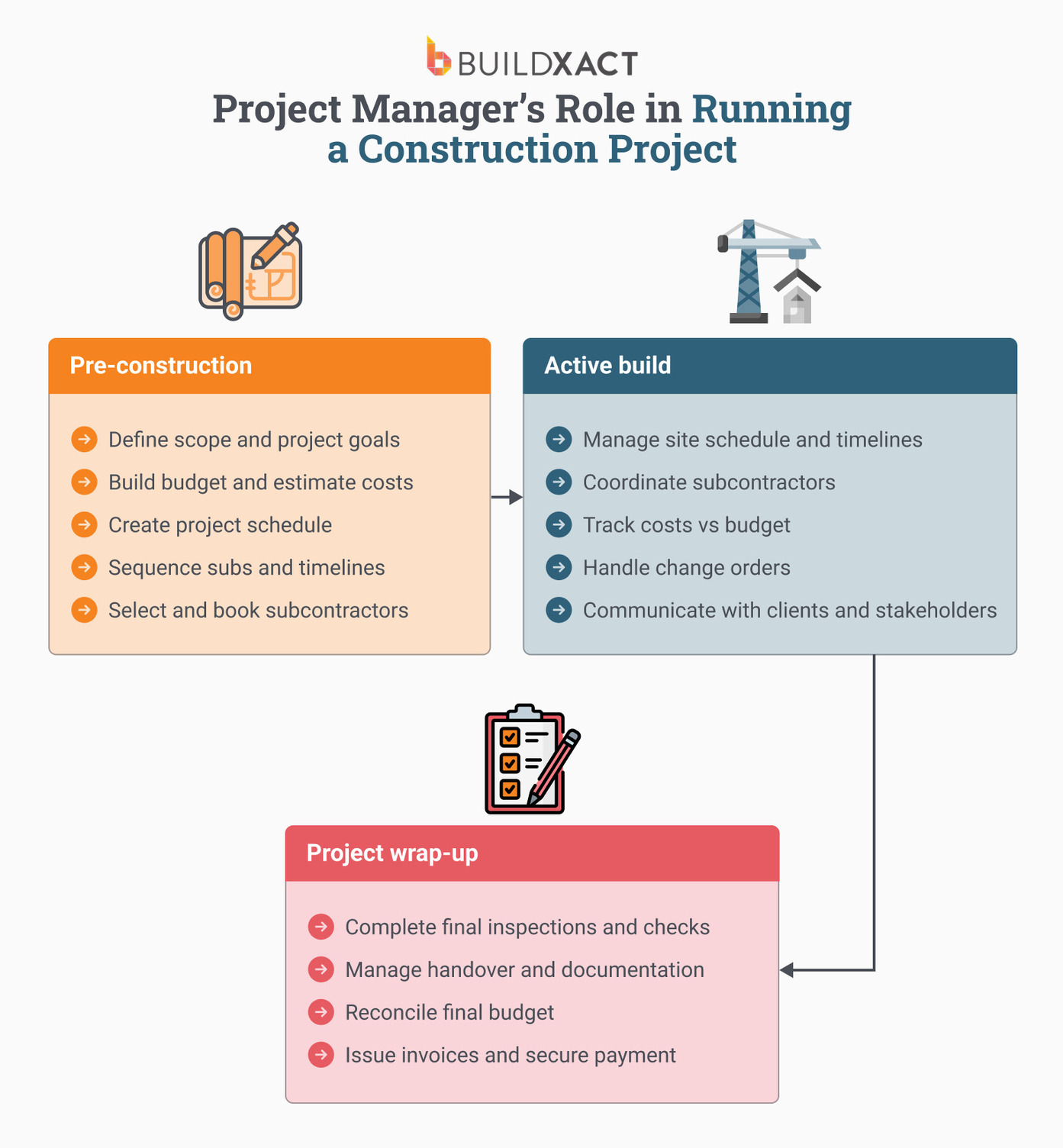
1. Before the build starts (pre-construction phase)
Before anything happens on site, you’re making decisions that affect your budget, your timeline, and how smoothly everything runs later. If things are unclear here, you end up dealing with it during the build, usually at a higher cost.
Defining scope and project goals
It starts with getting clear on what’s actually being built.
That sounds obvious, but this is where many issues begin. You’re working through plans, inclusions, and finishes, on top of managing client expectations. It’s essential that everyone is aligned on what’s in the job and what’s not.
If the scope isn’t clearly defined upfront, it’s bound to show up later. And by that point, it’s more expensive and more difficult to fix.
Budget planning and estimating
Once the scope is clear, it’s time to build the estimate. It’s not just about coming up with a number. It’s about understanding where every dollar is going. Break the job down into real costs, materials, labor, subcontractors, and everything else that goes into delivering the project.
This estimate becomes your baseline. Everything during the build should be measured against it, so the more accurate and detailed it is, the more control you have later.
Building the project schedule
With your costs in place, the next step is to work out how the job will run.
You’re mapping out the sequence of work, which trades come in when, how long each stage should take, and where the dependencies are. One task finishing late can push everything else back, so getting the order right matters.
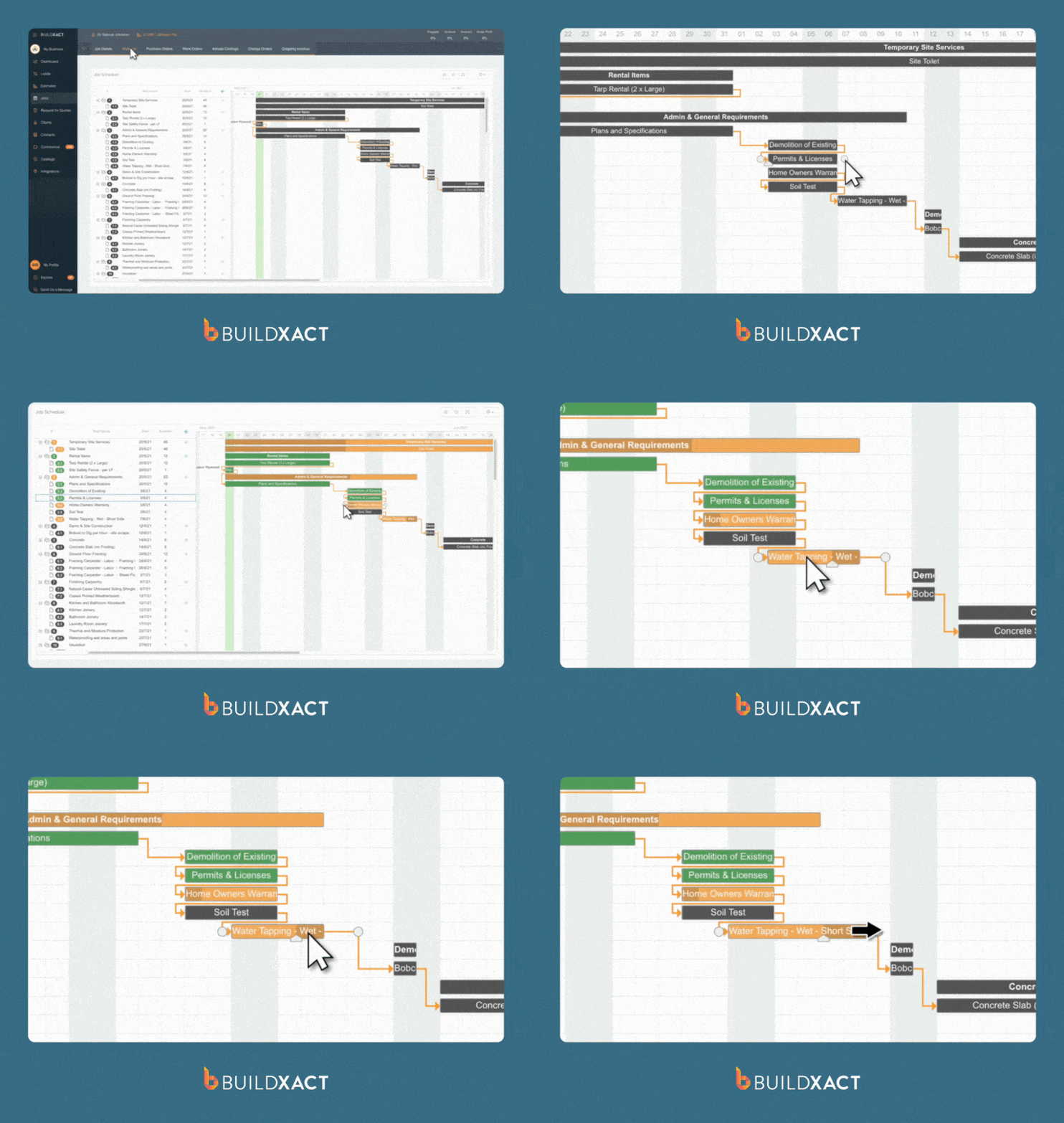
Your construction schedule becomes the structure for the entire build. It won’t stay perfect, but it gives you something solid to work from when things shift.
Selecting and scheduling subcontractors
If a key sub isn’t available at the right time, it creates gaps that are hard to recover from once the job is underway. You’ve got to confirm availability and make sure everyone knows when they’re needed.
Good coordination here makes the build flow. Poor coordination means you’re constantly chasing people later.
2. During the build (active construction phase)
You’ve secured the job, and now it’s time to build. Everything becomes more dynamic.
At this stage, project management isn’t a separate role. It’s everything you’re doing to keep the job moving and how you respond when things don’t go exactly to plan. This is where strong project management protects your margins. Not by avoiding problems, but by adjusting quickly and keeping everything connected as things change.
Managing the schedule on-site
Your original schedule is a guide, but once construction starts, it needs constant attention.
You’re adjusting timelines based on what’s actually happening, not what was planned weeks ago. A delay in one area can ripple through the rest of the job, so it’s on you to reshuffle things and keep progress moving.
How you respond to those delays is what keeps the job on track.
Coordinating subcontractors
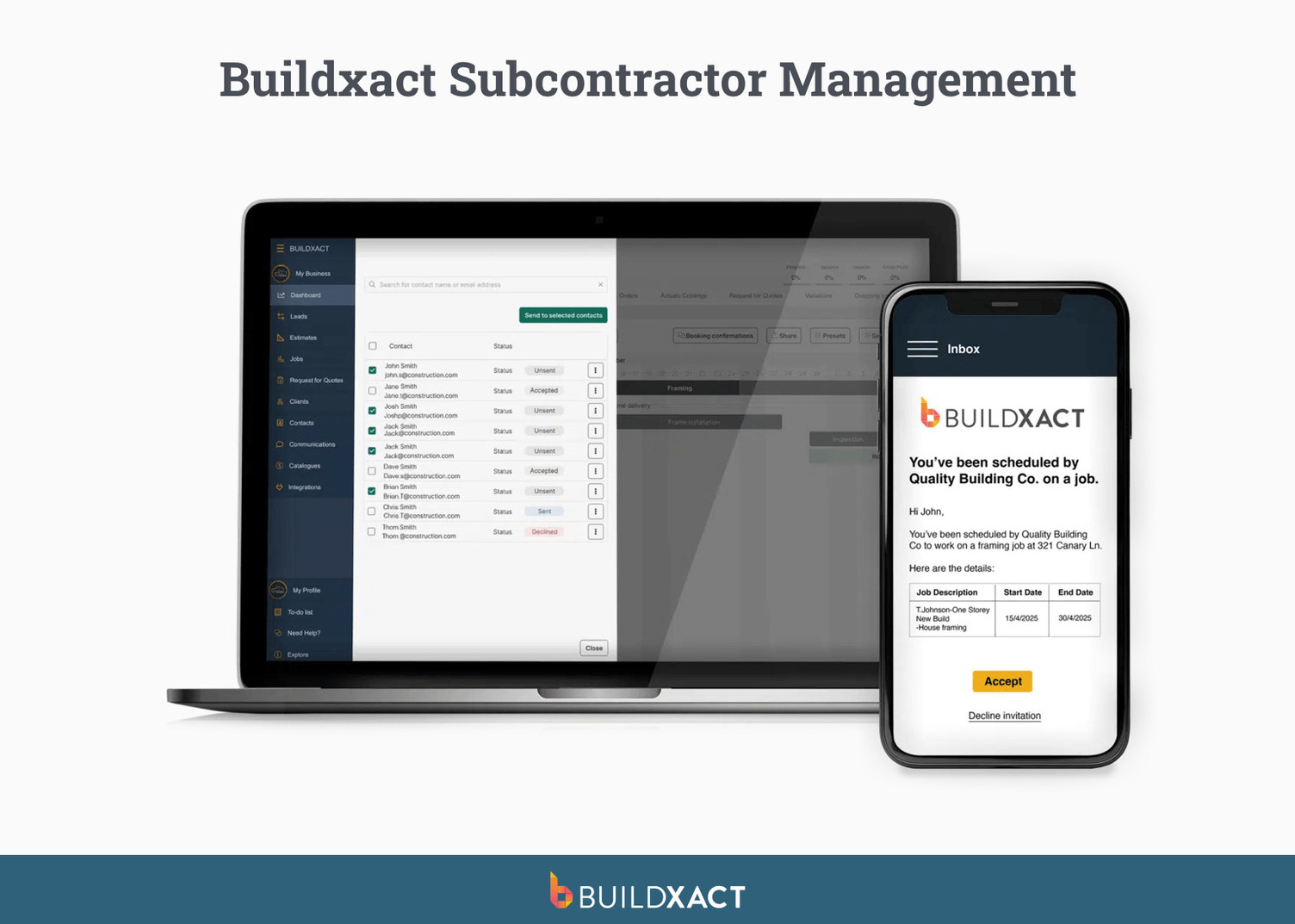
Now you’re managing who’s on site and when, making sure there are no overlaps or gaps. If one sub finishes late, the next one gets pushed. If someone arrives too early, they can’t start. Either way, you lose time and ultimately money.
Tracking costs and managing the budget
While all of this is happening, costs are moving in the background. Extra time on site, changes to scope, or delays can all impact your budget. If you’re not tracking spend against your estimate as you go, it’s easy for margins to slip without noticing.
Handling changes and resolving issues
Changes are part of every build. The key is to make sure they’re captured, priced, and approved before any work begins. Otherwise, you end up absorbing the cost. When issues or change orders arise, how quickly and clearly you address them makes all the difference.
Communicating with clients and stakeholders
On top of everything you’re managing, you’ve got to keep everyone informed and up to date. Clients want updates, trades need direction, and dealers need clarity. When communication is clear, the job runs more smoothly. When it’s not, issues can escalate quickly.
3. Project wrap-up (closeout phase)
This is the part of the job that often gets rushed, but it’s just as important as everything that came before it. Just because the house is built and the job is ‘done’, doesn’t mean you can take off your project manager hat.
The job isn’t done until it’s closed out properly, handed over cleanly, and paid in full.
If this stage of construction project management isn’t handled well, it’s where payments get delayed, and loose ends pile up. What should’ve been a smooth finish ends up frustrating both you and the client.
Final inspections and quality checks
Before anything is handed over, you’ve got to look back at the entire job and run through it properly.
This involves checking finishes, ensuring everything meets standards, and picking up any small issues that need to be sorted. It’s much easier to deal with these now than after handover, when they turn into callbacks or disputes.
Managing handover and documentation
Once everything’s complete, you’re handing the job over to the client. Provide them with all the final details, warranties, manuals, and anything else they need. A clean, organized handover leaves a much better impression than a rushed one.
Final budget reconciliation
It’s time to look back at the numbers. Compare your original estimate to what actually happened on the job, where you stayed on track, where things ran over, and why. These insights will help you price the next job better.
Securing final payment
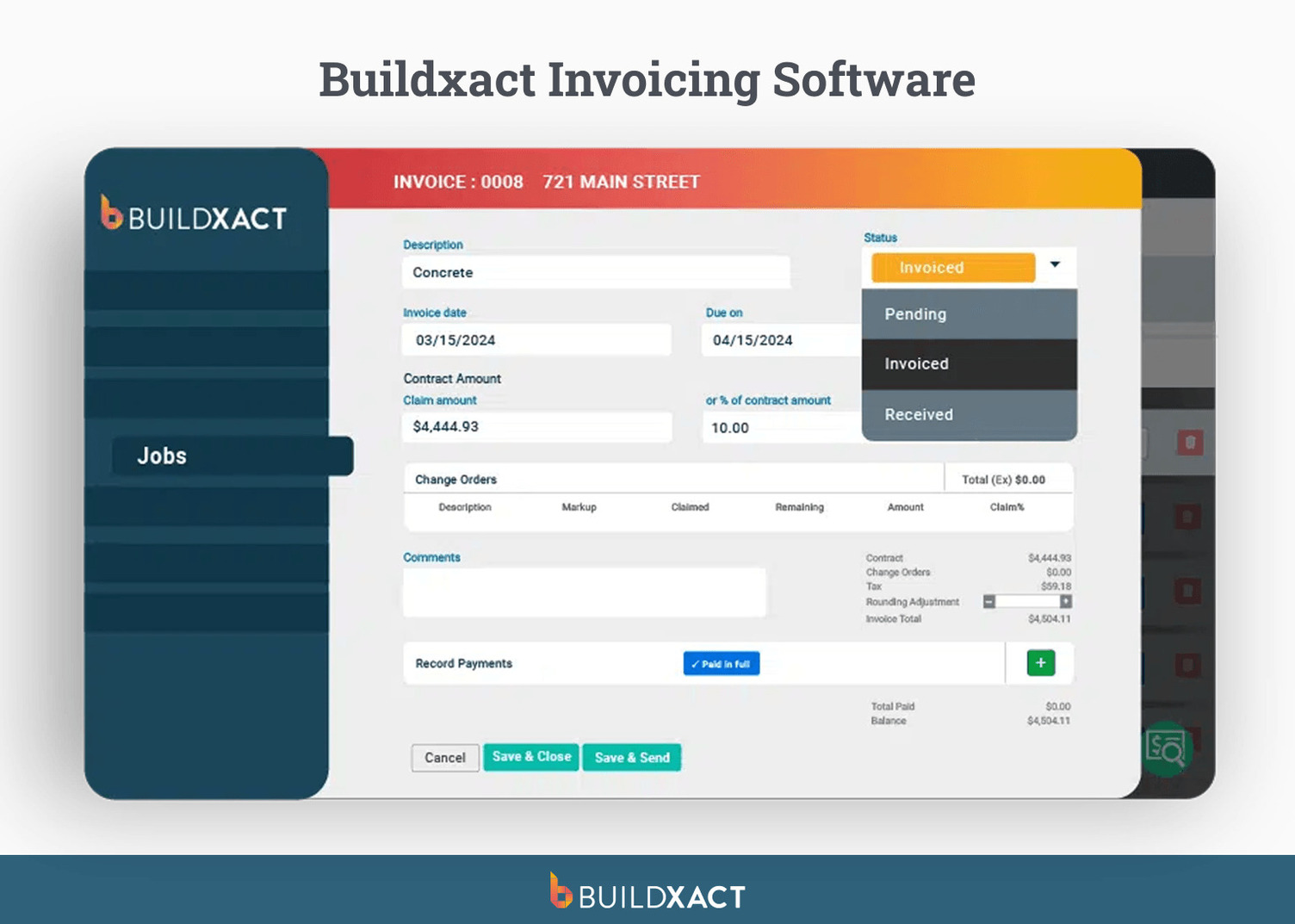
The final step is getting paid and wrapping up what’s left. Send the final invoice and make sure everything is squared away financially. Delays here can affect your cash flow, especially once you’ve moved on to the next job.
This is about finishing clean. No loose ends, no back-and-forth, and a smooth handover that leaves the client happy and the job properly closed.
FAQs
What are the duties of a construction project manager?
A construction project manager is responsible for keeping the entire job on track, from planning through to completion. That includes budgeting, scheduling, coordinating trades, managing clients, and making sure the project is delivered on time and within budget. On residential builds, these responsibilities often sit with the builder, which means you’re already doing most of the role day to day.
Is a project manager a stressful job?
It can be, especially when you’re juggling multiple moving parts at once. Delays, changes, and coordination issues are part of every job. The stress usually comes from trying to manage everything across different tools or without clear visibility. When you’ve got better systems in place, it becomes a lot more manageable.
Are project managers well paid?
Yes, because the role directly impacts whether a project makes or loses money. In construction, strong project management protects margins, keeps jobs on schedule, and improves client outcomes. For builders, it’s less about a separate salary and more about how well you run your jobs and how profitable they are.
Bringing It All Together With the Right Tools
If you look back at everything involved in running a job, it’s not one big thing that’s difficult. It’s the number of small things happening at once, and how to keep them all connected so you’ve always got your finger on the pulse.
When your estimate lives in one place, your schedule in another, and communication is spread across calls, texts, and emails, you’re constantly piecing things together just to understand where the job stands.
That’s what makes the job feel harder than it needs to be.
The fix is moving to a connected system where everything works together, from your estimate through to your schedule, costs, and billing. That’s where tools like Buildxact come in.
Instead of juggling multiple tools and chasing updates, you can run the job from one place:
- Keep budgets updated in real time as costs come in
- Track schedules and adjust quickly when things shift
- Keep everyone working from the same information
- Reduce back-and-forth with clients and subcontractors
- Use AI-assisted tools to help identify issues early
When everything is connected, you’re not reacting to problems after they happen. You can see what’s coming, make better decisions, and stay in control of the job from start to finish.
If you’re looking to simplify how you run your projects, try Buildxat for free.