Starting a construction company is exciting. Running out of money six months later, not so much.
Many builders massively underestimate what it takes to get a new business off the ground. They budget for the obvious expenses like tools, trucks, and licenses, only to discover that insurance premiums, payroll, marketing, and cash flow gaps add up fast. Before long, profits are getting squeezed all over the place, and valuable opportunities are slipping through the net.
The good news is that most of these challenges are avoidable with proper planning. Understanding your startup costs from the get-go helps you protect your cash flow, make better investment decisions, and build a business that’s positioned for long-term success.
In this guide, we’ll break down the actual cost of starting a construction company in 2026, whether you’re launching as a general contractor, specialty trade, or remodeler. Plus, you can use our checklist to avoid overlooking any essential expenses that your new business relies on.
What is the Average Cost to Start a Construction Company?
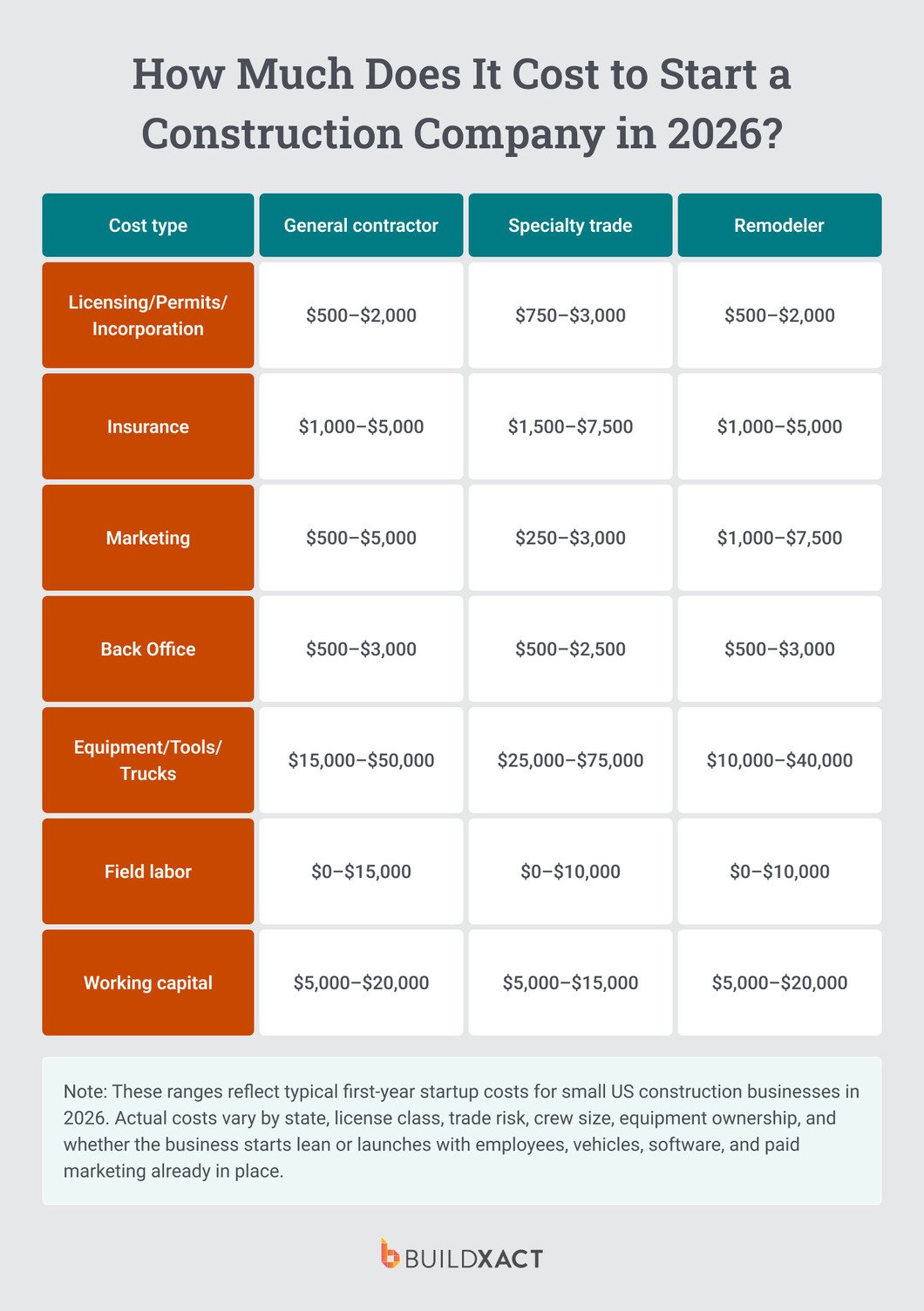
Starting your own construction company requires more than just a truck and a set of tools. Before you can take on your first project, you’ll likely need to budget for licensing, insurance, software, marketing, equipment, labor, and sufficient working capital to keep the business operating while you wait for customer payments.
The table above shows a rough estimate of first-year startup costs for three common business types: general contractors, specialty trade contractors, and remodelers. While these figures provide a useful benchmark, it’s important to keep in mind that no two construction businesses are exactly alike.
The following factors can make a big difference to your startup budget:
- Type of business: Different business models have different equipment, staffing, and operational requirements.
- State: Licensing fees, permit requirements, labor costs, and insurance premiums vary across the country.
- License class: More advanced license classifications may require additional testing, bonding, or qualifications.
- Trade risk: Higher-risk trades often face greater insurance and compliance costs.
- Crew size: Hiring employees increases expenses like payroll, training, benefits, and workers’ compensation.
- Equipment ownership: Buying vehicles and equipment requires a larger upfront investment than renting or leasing.
Understanding these costs before launching your construction company can help you avoid cash flow surprises and set your business up for long-term growth.
A Breakdown of Costs to Start a Construction Company
More than 80% of business failures are due to poor cash flow management or a lack of understanding of cash flow, proving the importance of knowing what kind of expenses you’re likely to face in your startup journey.
To help keep your business afloat in the crucial early stages, here’s a breakdown of the most common costs to expect:
Licensing and permits
Before you can legally operate, you’ll need to understand the licensing requirements in your state. Most states require contractors to hold a license before performing construction work, and the application process, fees, and eligibility requirements can vary significantly.
Getting your business set up correctly from the start is one of the most important investments you can make. In addition to obtaining the appropriate contractor license, you’ll need to choose and register a business structure, secure any required insurance coverage, and ensure your business meets all state and local requirements.
Many cities and counties also require a local business license before you can operate within their jurisdiction. If you plan to work across multiple cities or municipalities, you might need additional licenses depending on local regulations.
You may also need to register your business name with your state’s Secretary of State or equivalent agency, depending on your chosen business structure and company name. If you’re operating under a business name rather than your legal name, registration is typically required before you can begin trading.
Example costs:
- Business registration and incorporation
- Contractor licensing and examinations
- Local business permits
- Trade-specific licenses or certifications
- Surety bonds
- Legal and accounting setup
- License renewals and compliance fees
Pro tip: Research licensing requirements before buying equipment or hiring employees. In some states, contractor licensing can take weeks or even months to complete, delaying your ability to start work and generate revenue.
Insurance
Insurance is one of the most important investments you’ll make when starting a construction business. In most states, general liability insurance is required for licensing, and if you plan to hire employees, you’ll typically need workers’ compensation coverage as well.
The amount of insurance you need will depend on the work you’re doing and the size of the project. In commercial contracting, customers often have minimum coverage requirements that you’ll have to meet.
Beyond general liability and workers’ compensation, many contractors choose to invest in additional protection. Builders’ risk insurance (also known as installation floater) covers you for damage caused by weather, theft, or vandalism during construction. This insurance is sometimes paid for by the project owner and sometimes by the contractor.
Umbrella insurance provides an additional layer of protection by extending the limits of your existing policies. When one of your policies is maxed out due to a claim, the umbrella policy will take over and provide coverage.
If you regularly rent equipment, rental equipment coverage may also be worth considering. This can protect rented tools, machinery, and trailers while they’re in your care and may be more cost-effective than purchasing coverage from the rental provider each time you hire equipment.
Example costs:
- General liability insurance
- Workers’ compensation insurance
- Commercial auto insurance
- Builder’s risk insurance
- Tool and equipment coverage
- Umbrella liability insurance
- Bond premiums
Pro tip: Get quotes from multiple insurance providers and construction-specific brokers. Premiums can vary significantly, and the right coverage package can save thousands of dollars during your first year.
Marketing
Before you can get any customers, you have to let them know that you’re open for business.
For most new contractors, a professional website is one of the first marketing investments worth making. Other essentials may include business cards, vehicle signage, and branded marketing materials that help build your credibility in the local market.
Sponsoring local events or sports teams can be another great way to get your name out to the public. Seek opportunities to help a charity by making a donation or volunteering your time, and use that exposure to gain clients.
Before investing in any marketing activity, it’s worth creating a simple marketing strategy. Understanding your target customers and local area will help you focus your budget on the channels most likely to generate quality leads for your new business.
Example costs:
- Website development
- Branding and logo design
- Business cards and marketing materials
- Vehicle and jobsite signage
- Digital advertising
- Local sponsorships and networking
- Lead generation and directory listings
Pro tip: Focus your initial marketing budget on generating leads rather than building a perfect brand. A simple website and strong local presence will usually deliver a better return than expensive branding projects.
Back office
Most contractors start out as one-person businesses, but as they grow, they need to add admin and office support. A good starting point is to hire an administrative assistant or bookkeeper to keep the paperwork and finances in line.
You may also want to purchase construction-specific accounting software. Rather than relying on spreadsheets and manual processes, accounting tools designed for your industry can make company setup and day-to-day processing much easier and more efficient.
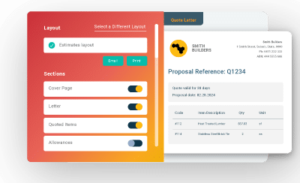
As the company grows and you need to complete more estimates quickly, you’ll want to invest in hiring estimators and purchasing estimating software like Buildxact. Estimating software can increase the speed and accuracy of your bids, helping you win more work.
Example costs:
- Construction management software
- Accounting and bookkeeping systems
- Payroll services
- Office equipment and supplies
- Internet and phone services
- Professional memberships
- Administrative support
Pro tip: Invest in construction management software early. Establishing efficient estimating, scheduling, and financial processes from day one is far easier than trying to fix disconnected systems as your business grows.
Equipment and tools
Once you get your first job, you’ll need to invest in the equipment and tools you need to perform the work.
When you’re starting out, you can rent equipment and tools to keep costs down. However, as your business grows, you may want to invest in trucks to haul equipment and transport workers.
Some construction companies provide vehicles to every employee, while others offer them only to supervisors.
Example costs:
- Service vehicles and trailers
- Hand and power tools
- Trade-specific equipment
- Safety gear and PPE
- Fuel and maintenance
- Equipment rentals
- Initial material inventory
Pro tip: Consider renting specialized equipment during your first year. This reduces upfront costs and helps you determine which tools are worth purchasing as your workload becomes more predictable.
Field labor
As your business grows and you start taking on more work, you’ll need to hire more field workers. Whether you’re hiring employees or working with subcontractors, labor costs can quickly become one of your largest ongoing expenses.
You’ll need to factor in the cost of “extras” like fringe benefits, retirement, insurance, vacation, sick time, as well as offer wages high enough to attract skilled workers.
Another crucial consideration is the requirement to invest in onboarding and training. This is important to ensure your team can work safely and efficiently, and meet the standards your clients expect.
Example costs:
- Employee wages
- Payroll taxes
- Benefits and insurance
- Recruitment and onboarding
- Safety and skills training
- Uniforms and branded apparel
- Subcontractor costs
Pro tip: Don’t underestimate labor costs. Beyond wages, payroll taxes, benefits, training, and downtime can add 20-40% or more to the true cost of each employee.
Working capital
Working capital is the cash your business needs to cover day-to-day expenses while waiting for customer payments. It helps fund essentials such as payroll, materials, fuel, equipment costs, and other operating expenses that need to be paid before cash comes in.
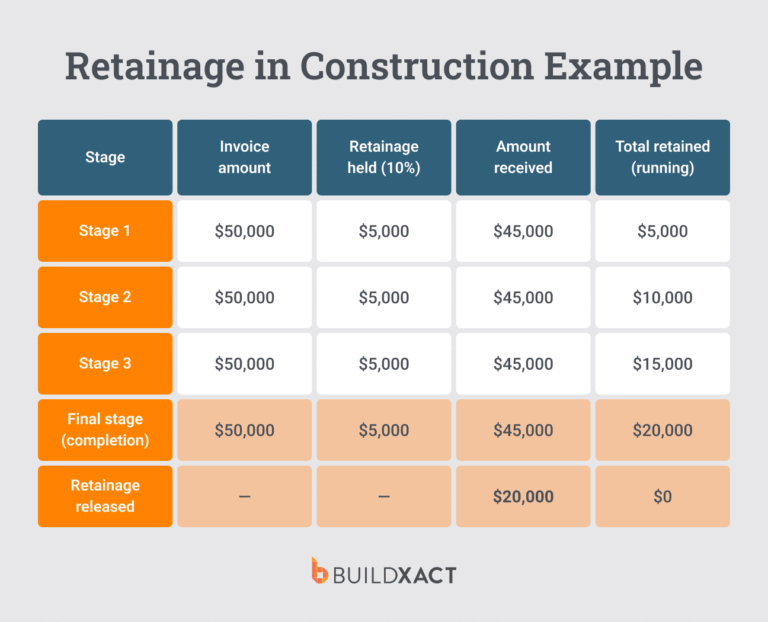
Many new contractors underestimate how much working capital they’ll need. Common cash flow challenges include delayed payments, retainage, change orders, unexpected project costs, and seasonal fluctuations in demand.
Maintaining a healthy cash reserve can help you manage these challenges, keep projects moving, and avoid financial headaches during your first years in business.
Example costs:
- Payroll reserve
- Material purchasing reserve
- Cash flow buffer
- Emergency repairs and replacements
- Project delays and unexpected costs
- Seasonal slowdowns
- Client payment delays
Pro tip: Many construction businesses fail because of cash flow issues, not a lack of work. Aim to maintain enough working capital to cover at least one to three months of operating expenses while waiting for customer payments.
And as you take on more complex projects, you’ll also want to invest in construction project management software to help you keep your team organized and on top of issues.
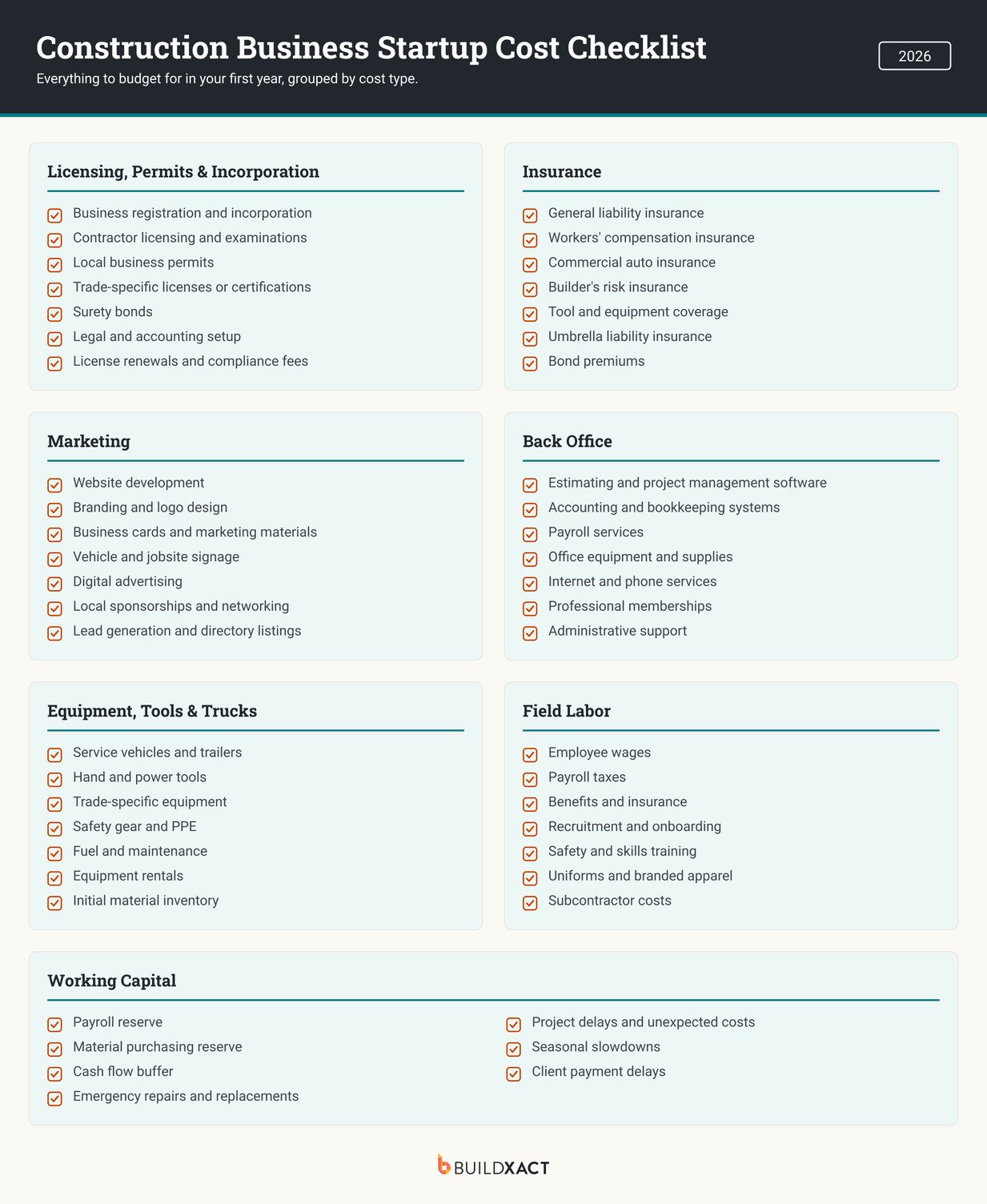
Extra pro tip: download our Construction Business Startup Cost Checklist for a handy reference on all the costs involved in starting your business.
Professionalize Your Business With Construction Management Software
Starting a construction company often means juggling important tasks and documents across multiple systems and manual processes. As your workload grows, this can become overwhelming and lead to errors, delays, and missed opportunities.
Construction management software like Buildxact helps bring everything together in one place, giving new businesses the tools they need to stay organized and operate more efficiently.
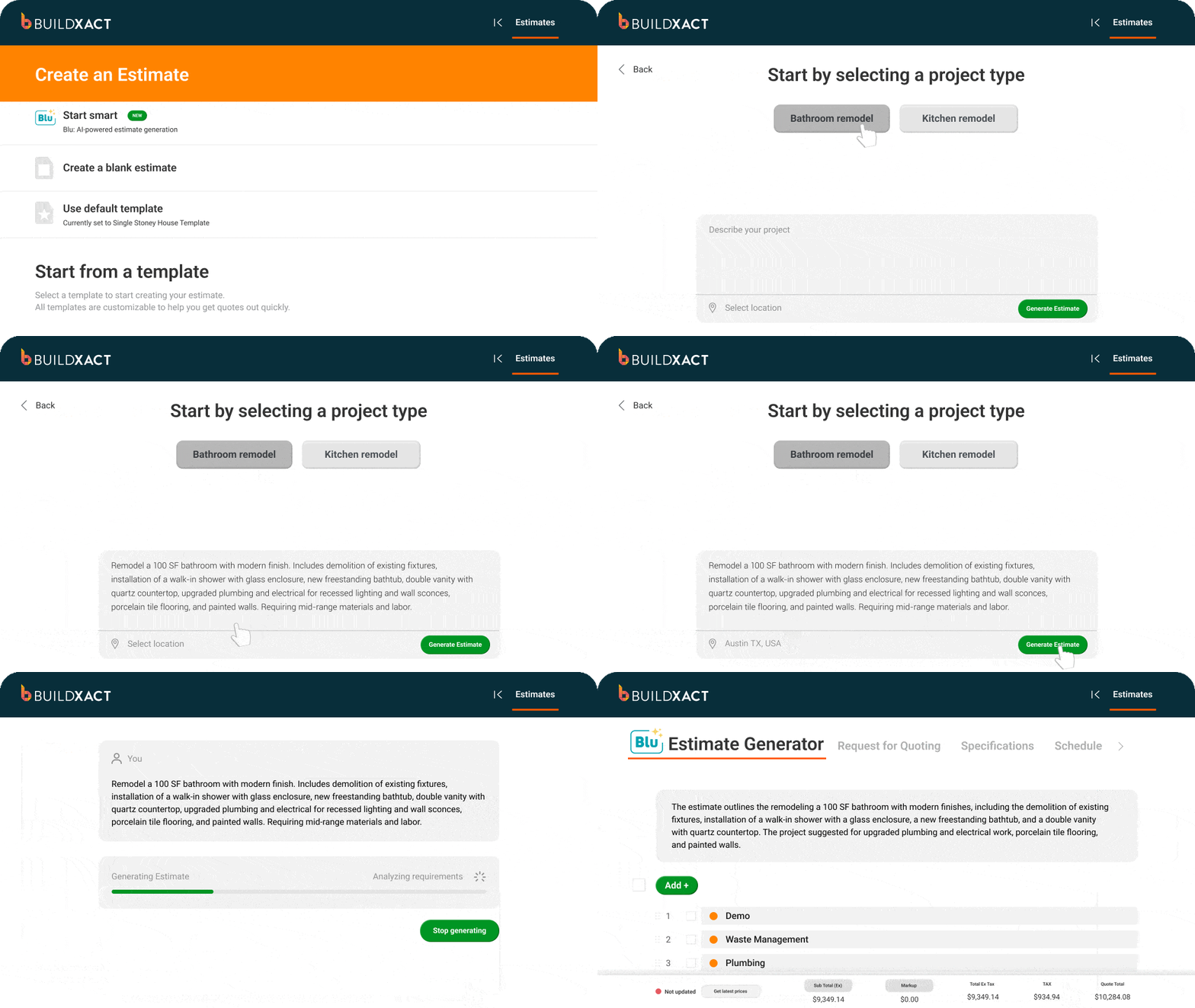
- AI-assisted estimating: Manual estimating takes time and leaves room for costly mistakes. With Buildxact’s AI Estimating Assistant, you can create accurate bids faster, freeing you up to focus on winning jobs.
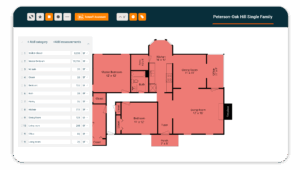
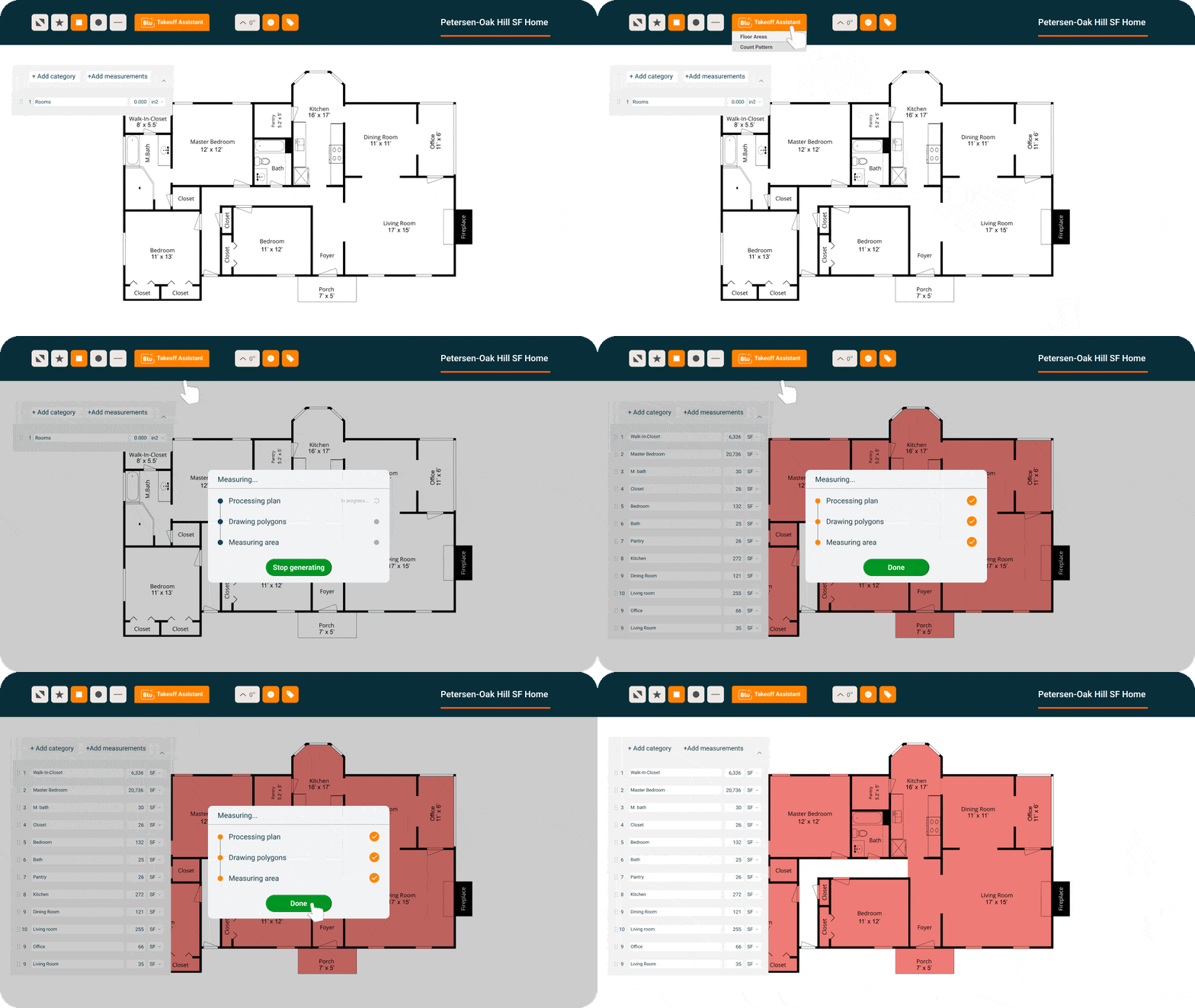
- Digital takeoffs: Measuring plans manually is error-prone and can lead to budget overruns and margin erosion. Digital takeoffs let you measure directly from plans, improving accuracy and keeping estimates aligned with actual project requirements.
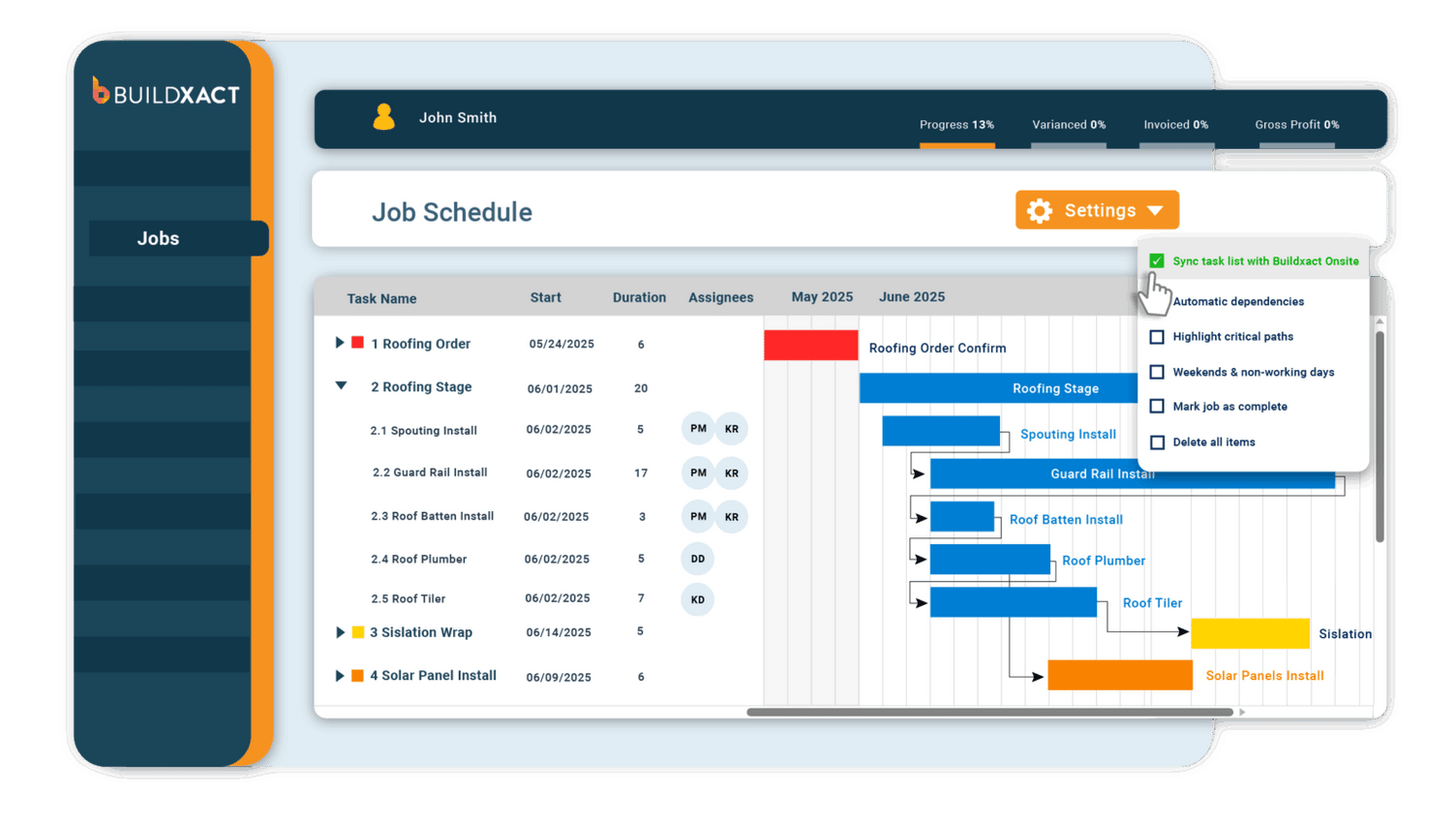
- Scheduling: Trying to manage projects with spreadsheets or paper calendars can result in missed deadlines and disruptive scheduling conflicts. Automated scheduling tools keep crews, tasks, and timelines organized so projects stay on track.
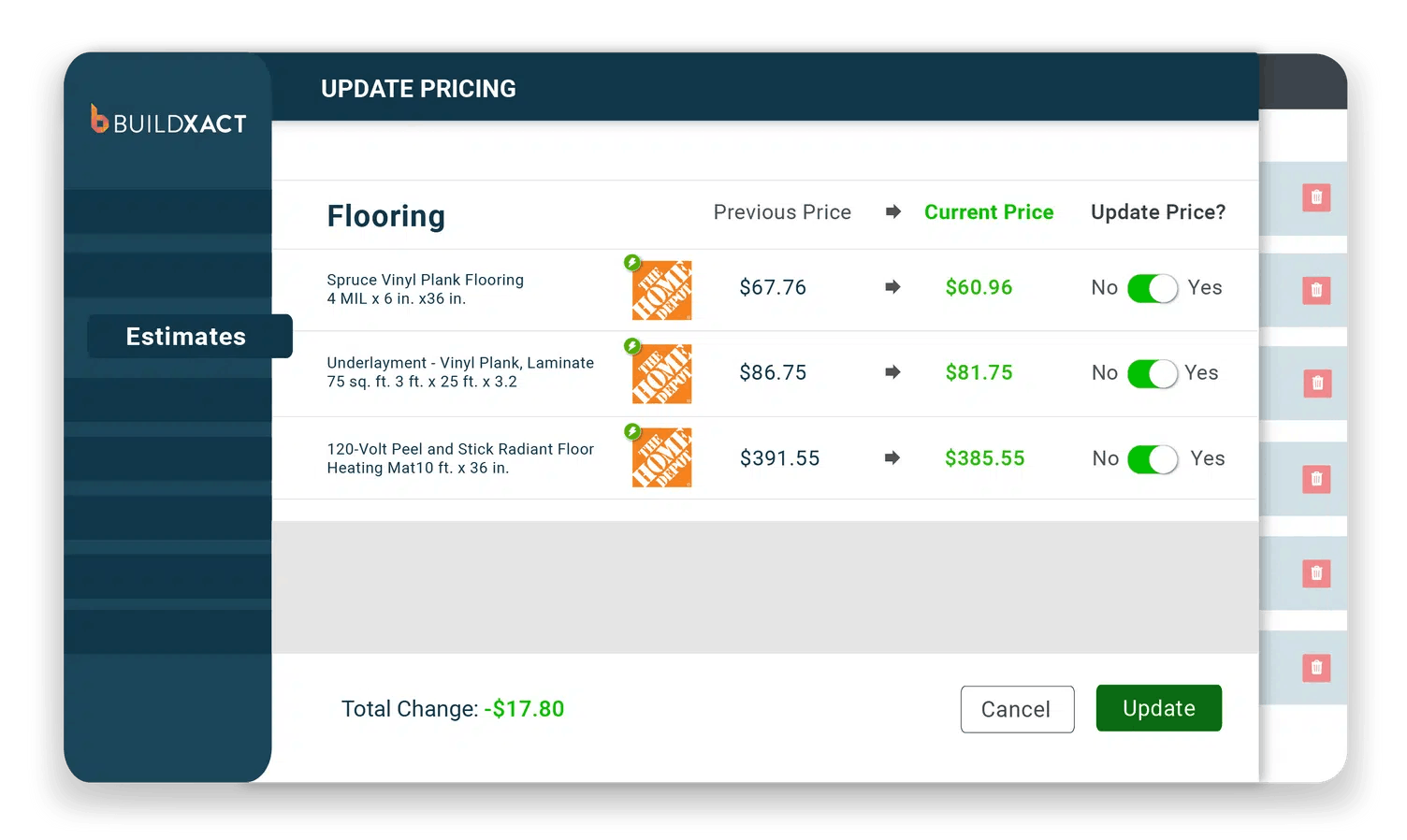
- Dealer integration: Outdated pricing due to fluctuating costs can lead to underbidding and lower profits. Buildxact’s live dealer integrations provide real-time access to current pricing, helping you streamline ordering while keeping margins protected.
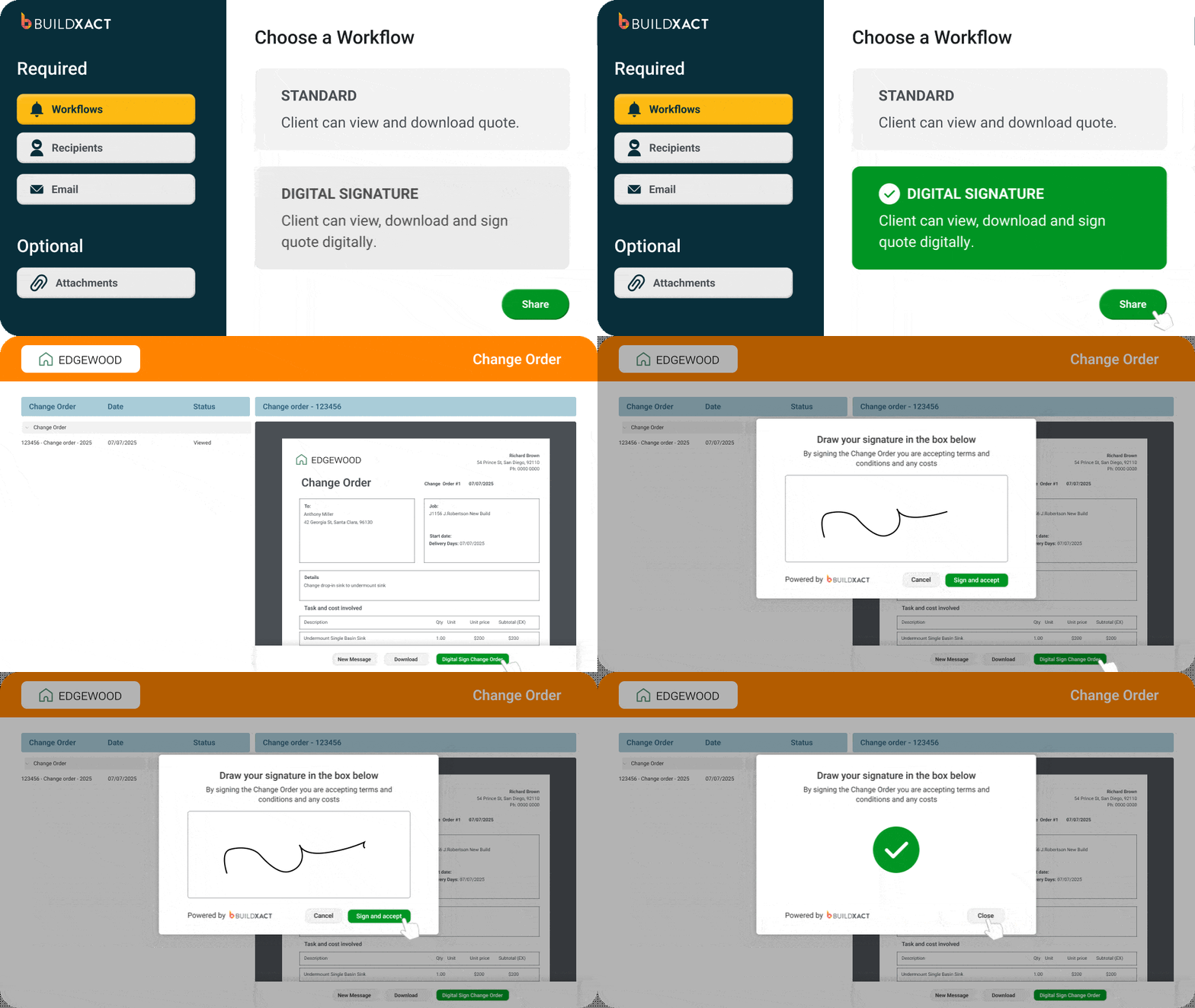
- Customer communication: Important project information can easily become scattered across emails, texts, and phone calls, creating version chaos. Centralized communication tools keep every interaction and approval in one place.
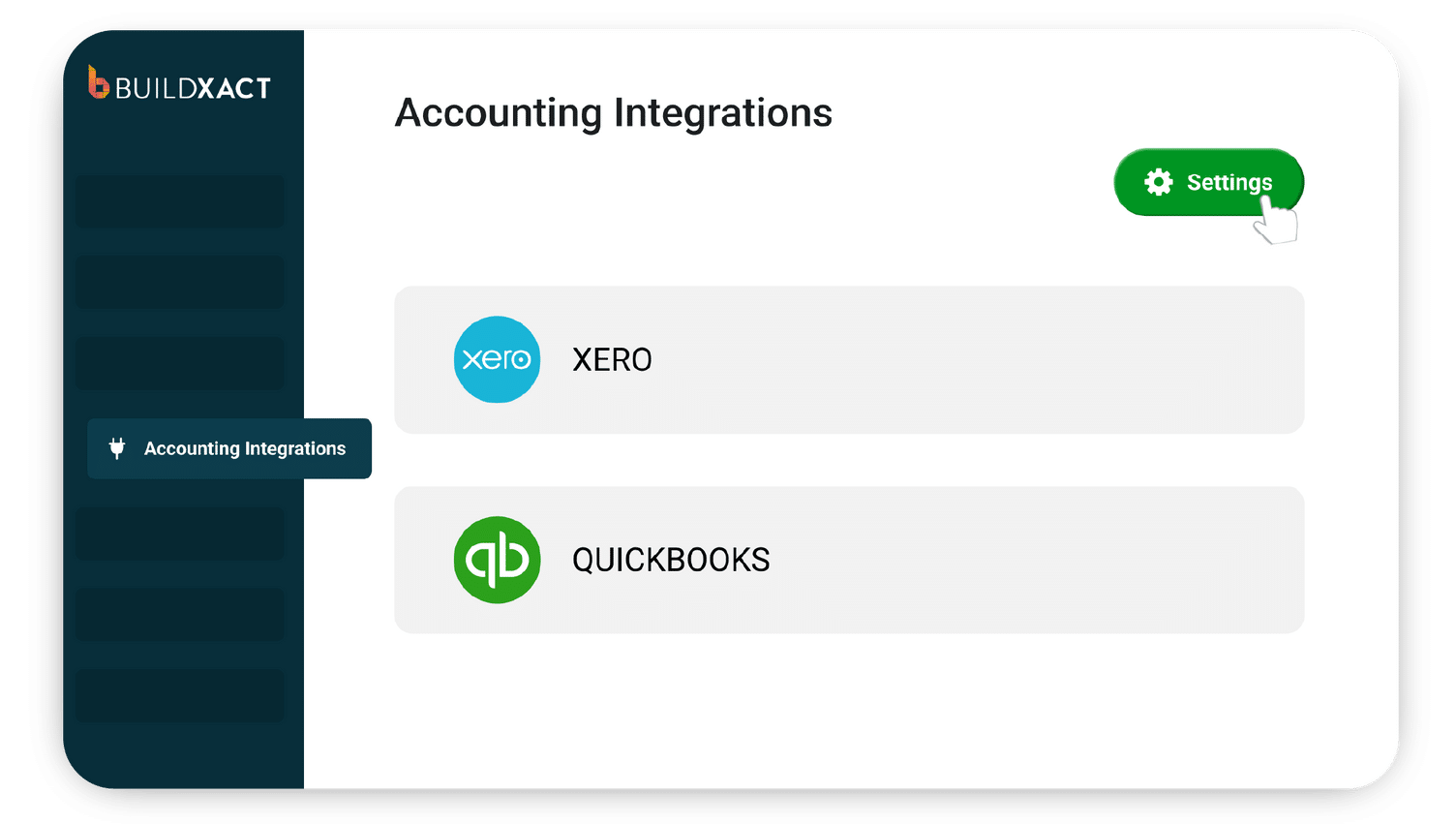
- Accounting integration: As projects multiply, financial administration gets harder to manage. Accounting integrations automatically sync data, reducing double entry and providing better visibility into business performance.
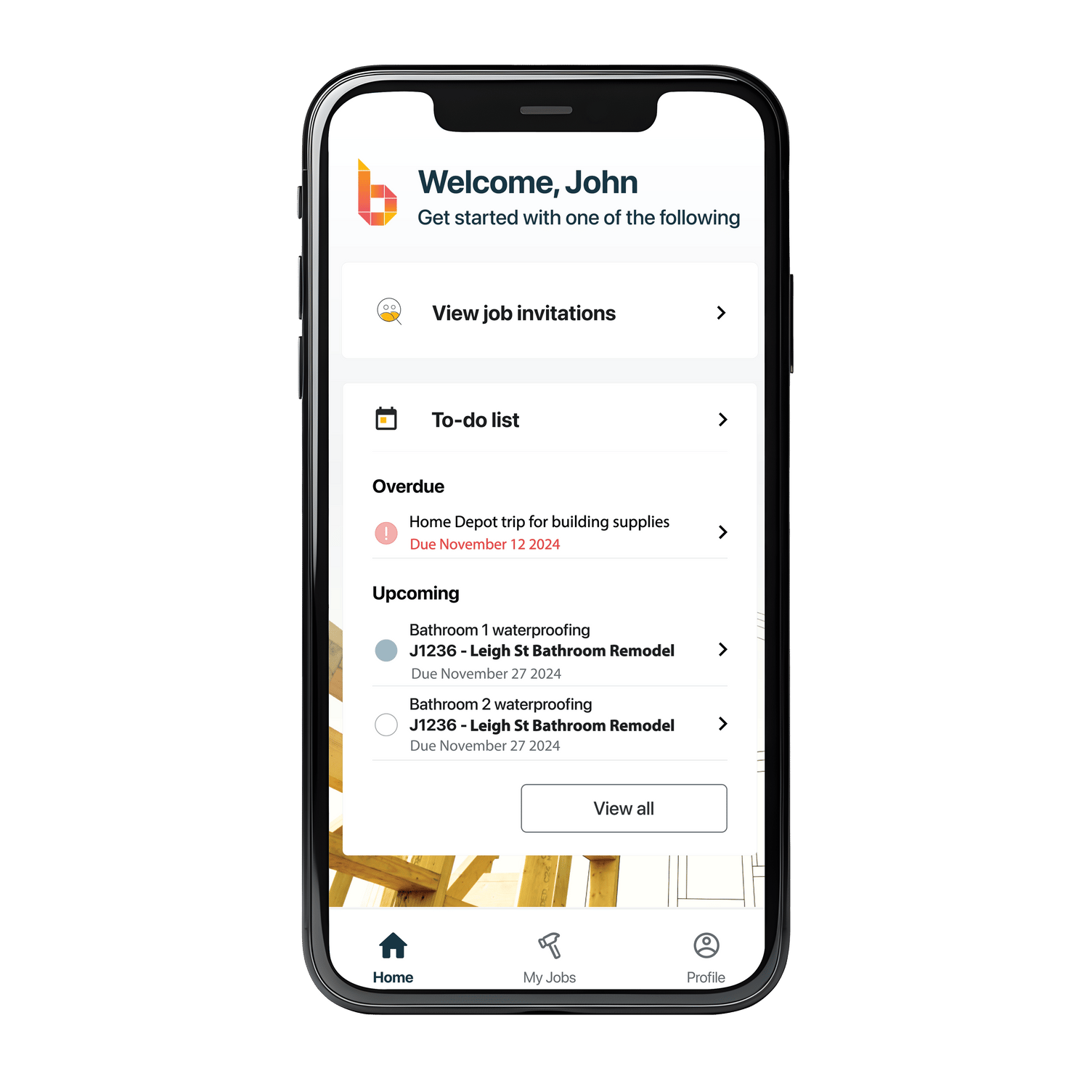
- Onsite mobile app: Construction doesn’t happen behind a desk. When field teams can’t access project information, delays and miscommunication often follow. Buildxact’s Onsite app keeps everyone connected and updated, wherever they’re working.
By investing in the right systems from day one, you can spend less time on paperwork and more time running jobs. Plus, it gives your business the foundation it needs to grow and scale in the long term.
Cost to Start a Construction Company: FAQs
How much money do you need to start a construction company?
The amount you’ll need depends on your business type, location, crew size, and equipment requirements. A lean owner-operated business may require a relatively modest investment, while companies purchasing vehicles, hiring employees, or investing in specialized equipment will need a larger startup budget and working capital reserve.
What is the biggest startup cost for a construction company?
For many contractors, equipment, tools, and vehicles represent the largest upfront expense. However, insurance, labor, and working capital are often the costs that have the greatest long-term impact. The biggest startup cost will vary depending on the type of construction work your business performs.
How much working capital should a new construction business have?
A good rule of thumb is to maintain enough working capital to cover one to three months of operating expenses. This helps your business manage payment delays, material purchases, payroll obligations, and unexpected costs while maintaining healthy cash flow during the early stages of growth.
What software does a new construction company need?
Most construction businesses benefit from software that supports estimating, takeoffs, scheduling, customer communication, and accounting. Using construction-specific software from the start can help reduce administrative work, improve accuracy, and create more efficient processes as your business grows and takes on more projects.
With Buildxact, You Can Operate Like a Pro From Day One
When you’re starting a construction company, every dollar matters. And the decisions you make early on can have a lasting impact on your margins and your ability to grow.
That’s why successful construction businesses focus on making their day-to-day operations as efficient as possible. Whether it’s fast estimates, AI-assisted takeoffs, or seamless accounting integrations, having streamlined, connected processes for the tasks that matter most makes it easier to scale your business and win more work.
Buildxact gives small builders the tools they need to operate professionally from the very start, with construction management software designed for the way you work. Start today with a free trial or book an interactive demo.